
How can you keep a pest log that helps an inspector?
You can keep a pest log that helps an inspector by recording dates, times, rooms, specific evidence, environmental notes, and actions taken, alongside clear digital photographs and a simple floor plan. A truly useful log also captures boring days by recording the exact dates when traps were checked and nothing was found.
What is actually going on
Imagine you walk into the basement on a Tuesday morning and spot a small pile of sawdust on the workbench. You brush it away, forget about it until Friday, and then find another pile right next to it. When an inspector eventually comes by to figure out if your framing timbers are under attack, that professional is essentially acting as a detective with a very short memory to work with. If you hand them a scrap of paper that simply says bugs, they have to guess whether that sawdust fell five years ago or five minutes ago.
An effective pest log solves this by acting like a medical chart for your building. Just as a doctor needs to know when a fever started, what over-the-counter medicine was taken, and when the temperature actually dropped, an inspector needs a dated, chronological history. It bridges the gap between what you happen to notice in passing and the formal diagnostic data a professional requires to make a call.
When people start a log, they usually write down when they see a bug and stop there. But a truly useful log also captures the boring days, recording the exact dates when traps were checked and nothing was found. That timeline proves due diligence, helps trace whether a treatment is actually working, and keeps everyone from treating old damage as a brand-new emergency.
How to tell for sure
Reading a pest log usually requires separating fresh clues from historical ghosts. If you are looking at wood-boring beetle evidence, for instance, fresh frass or powdery sawdust is typically light and smooth, whereas old frass tends to look caked, yellowed, or buried under household dust.
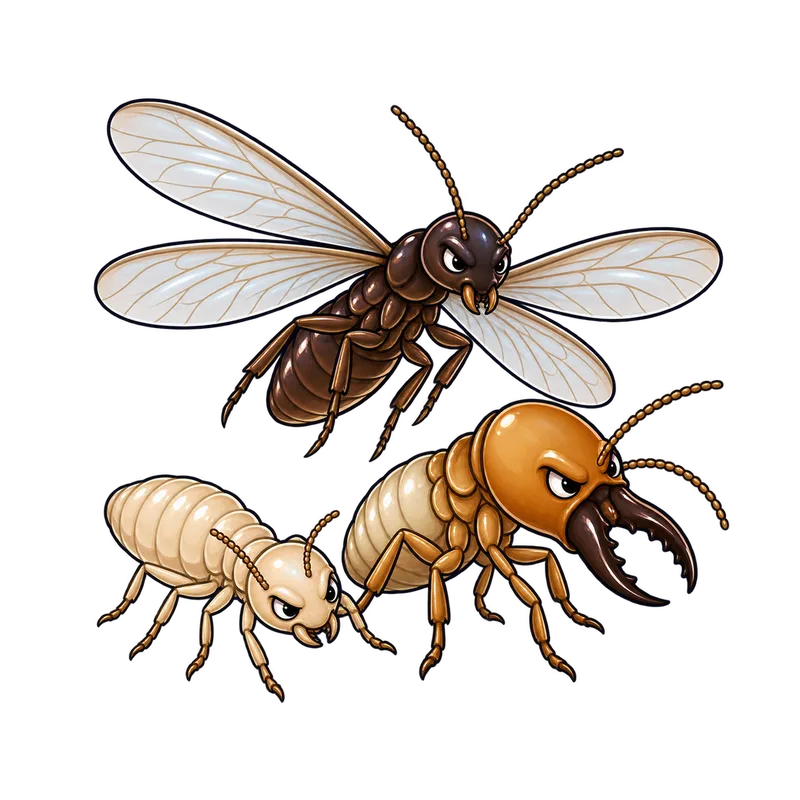
Identification usually starts with paying close attention to physical characteristics rather than relying on guesswork. If you find tiny insects that look suspicious, remember that telling a bed bug from a bat bug usually demands high magnification to measure tiny hairs relative to the insect eye width. Termite swarmers have straight antennae, thick waists, and four wings of equal length, which sets them apart immediately from winged ants that might wander in through a patio door.
For wood-destroying beetles, the texture of the debris tells a big story. Lyctid beetles usually leave behind smooth, flour-like dust, while Anobiid beetles leave a gritty residue. If you are logging conditions, keep in mind that certain wood-boring preventive treatments require moisture meter readings showing elevated moisture levels at several test spots before a professional can even begin applying preventive controls.
What usually comes next
Once you decide to start a proper log, structuring it correctly makes all the difference for whoever reads it next. You usually want to set up clear columns for the date and time, the exact room or zone, the specific evidence observed, environmental notes like a leaking pipe or high humidity, and the action you took.
Pairing those written entries with visual evidence helps anchor the story. Take clear digital photographs of live specimens, cast skins, or damaged wood, and try to drop a coin or a small ruler into the frame to provide a sense of scale. Drawing a simple floor plan of your home or business and marking observation points directly on the paper also stops an inspector from wandering around blindly.
One practical habit that changes everything is recording negative findings. Writing down that you checked the guest bedroom baseboards on a specific Tuesday and found zero pests establishes a baseline of continuous monitoring. Once a professional successfully treats an issue, thoroughly clean away old fecal spots, dead bugs, and leftover debris, and note that cleanup date in your log so future visitors know any new marks represent fresh activity rather than leftovers.
When to get help
There are moments when a logbook is no longer enough and you need to bring in outside muscle. If your log or routine tapping reveals hollow framing, sagging timbers, or severe wood-boring beetle holes, you are looking at potential structural compromise that requires a licensed structural engineer and a certified pest management professional right away.
Never try to diagnose skin reactions or medical symptoms yourself. Property managers and homeowners must always refer occupants experiencing severe bite reactions, rashes, or allergic symptoms to a licensed clinician or urgent care service. Pest logs record that an occupant reported irritation, but they can never confirm a pest species based on a mark on skin alone.
Legal boundaries also matter when chemical treatments enter the picture. Unlicensed individuals must never apply restricted-use pesticides or ignore product label directions, as those labels are legally binding instructions governing rates, protective gear, and safe re-entry intervals. Furthermore, if your log reveals protected wildlife like nesting birds or bat colonies living alongside pests in your attic or wall voids, chemical applications are strictly prohibited under federal and state wildlife laws. You will need to contact your state department of natural resources or a licensed wildlife control agency for legal exclusion options, ensuring that pets and human occupants stay safely away from any treatment zones until all products are completely dry.