
Western drywood termites: what signs should homeowners recognize?
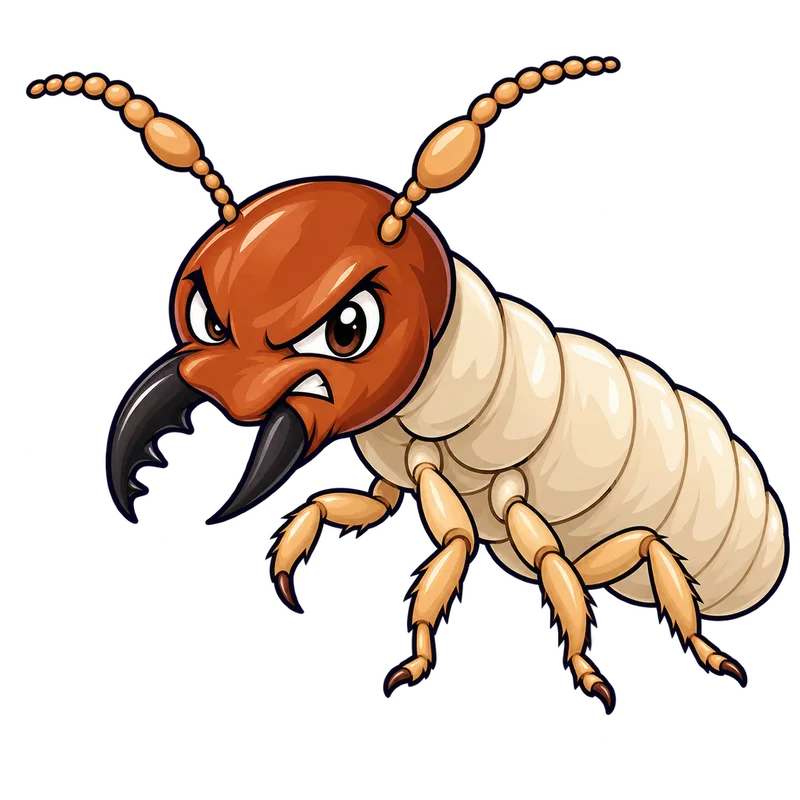
Homeowners should look for small, neat piles of hard, six-sided pellets beneath tiny kick out holes, along with warm-daytime swarms of insects featuring reddish orange brown heads and smoky wings. You might also notice a dull, papery thud when tapping on infested wood that has been hollowed out into smooth galleries.
What is actually going on
You are standing in the quiet kitchen on a sunny Tuesday morning, reaching to wipe down the window sill, when you notice a small, neat cone of what looks like coarse brown sand sitting right there in the corner. You brush it away, only to find another identical pile staring back at you the very next day. It feels like someone is playing a very small, very persistent trick with a salt shaker. The reality is far less playful, because those tiny, perfectly shaped grains are the calling card of western drywood termites setting up housekeeping right inside your framing.
Unlike their subterranean cousins that need damp earth and mud tubes to travel back and forth, these insects live their entire lives completely enclosed inside sound, dry wood. They do not care about your foundation soil or leaky plumbing. They pull every drop of moisture they need straight from the cellulose they digest, leaving the dampness behind and boring through your attic rafters, door jambs, and window casings in total darkness.
Because they spend their entire lives hidden deep inside the timber, you will rarely spot the actual insects going about their day. Instead, you discover their handiwork through the indirect clues they leave behind. They are notoriously slow eaters, building small colonies that grow over years rather than months. That steady pace means damage accumulates quietly, turning a piece of solid roof framing into a fragile shell long before anything sags or gives way under your hand.
How to tell for sure
Figuring out whether you are dealing with western drywood termites usually comes down to spotting a few unmistakable physical clues. That pile of sand on the window sill is usually the first hint. If you look at those tiny grains closely, you will see they are hard, elongated, and feature six distinct concave sides with sharp ridges along the angles. They are shaped that way inside the insect's digestive tract, where specialized plates squeeze out every drop of moisture before excretion.
You will usually find those pellets sitting directly below a tiny, round opening measuring about one to two millimeters across. These are kick out holes, which are sanitation ports the colony uses to dump their waste. When they are not actively pushing out pellets, they often plug these small holes up with a paper like paste, making them temporarily vanish from sight.
Beyond the frass, you might catch the reproductive members of the colony during their warm daytime swarms between late spring and fall. These swarmers feature a reddish orange brown head, a dark body, and smoky wings. Once they land, they shed their four equal sized wings, leaving them scattered on windowsills or inside light fixtures. If you crack open or tap on infested wood with a heavy tool, healthy timber gives a solid ring, but wood hollowed by drywood termites yields a dull, papery thud because the interior is carved out into smooth, sandpaper clean galleries that completely lack any mud or soil.
What usually comes next
Finding a small mound of pellets does not automatically prove an active colony is eating your house right this second, because old frass from a dead infestation can rattle down from quiet wall voids for years every time a door slams. You need a simple baseline test before making any big decisions. Grab a vacuum or a damp paper towel, clean away every single grain, wipe the surface spotless, and mark the exact location so you know where to look.
Keep an eye on that cleaned patch every day for the next week. If fresh pellets show up, an active colony is definitely working in the wood overhead, and you have the evidence you need to plan your next step. Resist the urge to run out for a generic aerosol can to hose down the exterior trim, because surface sprays never soak deep enough into the dense interior galleries where the insects actually live, feed, and hide.
Because do-it-yourself surface sprays cannot reach the heart of the wood, your practical route is getting a proper professional evaluation. Whole-structure fumigation, localized heat treatments, or targeted gallery injections using registered termiticides demand specialized gear, strict adherence to product labels, and the legal credentials of a licensed applicator. A professional can map the hidden damage behind your drywall and determine whether you are dealing with one isolated board or multiple separate colonies scattered across the house.
When to get help
Call in a licensed pest control pro the moment your cleaning test turns up fresh pellets, or right after you spot live swarmers and discarded wings piling up on indoor sills. You also want an expert on site if your structural framing sounds hollow under a tool, if trim gives way under light thumb pressure, or if you are buying or selling a property and need a formal wood-destroying organism inspection.
Drywood termites do not bite, sting, or transmit infectious diseases to people or household pets. If you or someone in your home experiences unexplained skin irritation, unknown bites, or an adverse reaction to pesticide exposure, step away from pest management and contact a qualified medical clinician, an urgent care clinic, or your local poison control center right away.