
Why are tiny black bugs suddenly appearing in the house?
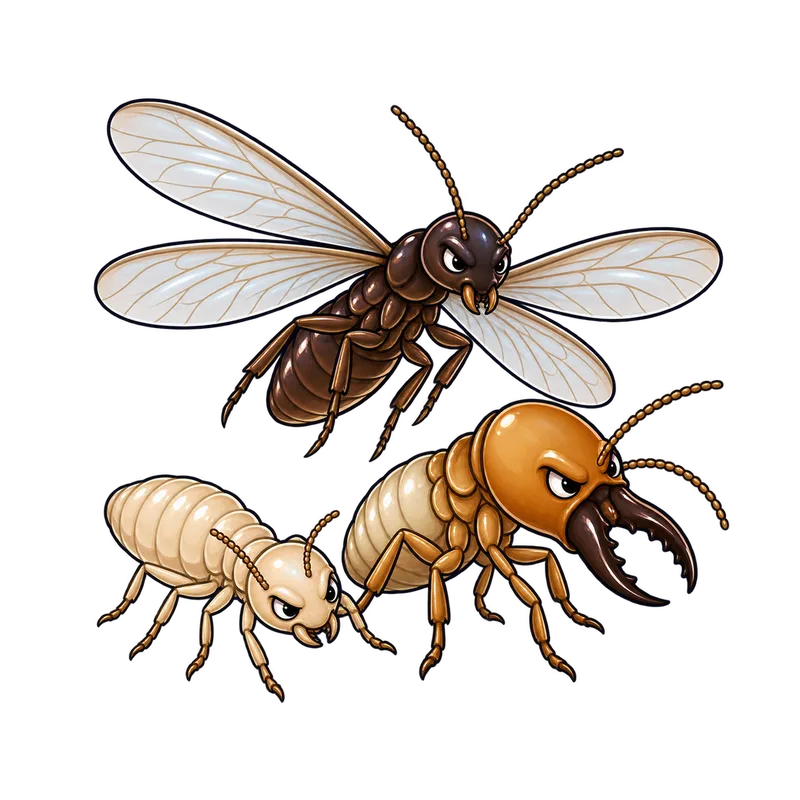
Tiny black bugs are suddenly appearing in the house because of seasonal swarming, sudden environmental moisture shifts, or the emergence of indoor breeding pests. They are usually either incidental outdoor invaders that wandered inside or colonizing pests breeding in your walls, pantry grains, or textiles.
What is actually going on
You walk into the kitchen on a bright Tuesday morning, grab your coffee mug, and notice what looks like a scattering of black poppy seeds along the windowsill. You reach out to wipe them away with a paper towel, and suddenly a few of them start crawling, or you spot tiny translucent wings scattered right beside them. It is an instantly jarring moment that usually leads to a quick inspection of the rest of the house, where you might find a few more near the baseboards or darting across the bathroom floor.
The sudden indoor appearance of tiny black bugs is typically driven by seasonal swarming, sudden environmental moisture shifts, or the emergence of indoor-breeding pests. When these small dark creatures show up out of nowhere, they generally fall into two broad categories. Some are incidental outdoor invaders that wandered inside during a weather transition or a reproductive flight, while others are colonizing pests that have been quietly breeding inside your walls, stored pantry grains, or woolen textiles for weeks.
To make sense of what is happening, you have to look at where you are finding them and what they are actually doing. A cluster of bugs near a sunny window points to a very different cause than a handful of tiny beetles tumbling out of a box of cereal in your pantry or a swarm of dark insects emerging from a damp crawl space. Identification must always come before control, because treating a pantry beetle infestation the same way you would handle outdoor moisture pests is a waste of time and effort.
How to tell for sure
Relying on color or size alone is a fast track to misidentification, so you need to look closer at the physical features using a hand lens or a magnifying glass. If you are staring at a dark bug measuring roughly one-eighth of an inch, it usually turns out to be one of a few common culprits. Black carpet beetles feature a solid black body with brown legs, and a ten-power lens will reveal a three-segmented antennal club and fine oval punctures on their shell. You will usually find them crawling slowly along carpets, rugs, or baseboards where they feed on animal-derived proteins like pet hair, wool, and accumulated lint.
If the bugs are gathered around your kitchen cupboards, check for a flattened brownish-black body with six distinct saw-like projections on the thorax, which marks a saw-toothed grain beetle. Alternatively, a rice weevil will show an elongated snout and four reddish spots on its wing covers. Both of these pantry pests usually emerge after completing their life cycle inside stored grains, cereals, nuts, or spices.
When the tiny black bugs have wings and are dropping them near light fixtures or windows during spring or early summer, you could be looking at subterranean termite swarmers. These pests usually measure about one-eighth to three-sixteenths of an inch long, possessing straight antennae, a broad waist, and two pairs of equal-length translucent wings that shed very easily. If the insects have a constricted waist and elbowed antennae instead, you are dealing with winged ants rather than termites.
For tiny jumping bugs near bathroom baseboards or damp basement corners, you are usually looking at springtails. They are minute, dark, and leap into the air when approached, possessing a specialized forked jumping appendage on their abdomen. Meanwhile, tiny dark-headed fungus gnats collect near windows if you have overwatered houseplant soil or a hidden plumbing leak supplying moist organic debris. You should also rule out public health pests, keeping in mind that bed bug nymphs have a translucent body that turns dark red or black after a blood meal, accompanied by dark ink-like fecal spots on mattress seams.
What usually comes next
Once you have figured out what you are dealing with through a closer look, the smartest move is to focus on cleaning up and getting rid of the source rather than grabbing a can of spray. If pantry beetles are the issue, check your dry goods, look inside open packages, and throw away any food that shows signs of bugs. When the visitors are outdoor wanderers like springtails or fungus gnats, your main job is to dry out the space, fix any leaky pipes, and seal up cracks outside so they stop coming in when the weather turns.
If you decide to use physical controls like diatomaceous earth for bugs that crawl, keep in mind how the stuff actually functions. People often think it cuts insects to pieces like tiny razors. Instead, it works by drying them out, soaking up the waxy outer layer of the insect shell until they dehydrate and die. Because it relies on this physical drying action, you have to put it down properly as a very thin, barely visible dust inside hidden cracks, gaps, and wall voids where the bugs travel. Dumping the powder in thick piles along your baseboards simply teaches insects to walk around the barrier instead of through it.
You also have to make sure that any dust you buy is amorphous, uncalcined, and specifically registered for indoor use by the relevant government agency where you live. Pool-grade and filter-grade versions are treated with heat and can contain up to sixty percent crystalline silica, which creates a serious danger of lung disease and a condition called silicosis if you breathe it indoors. Always treat the pesticide label as the final legal authority, and follow every single instruction on the packaging without cutting corners.
When to get help
There are moments when standard do-it-yourself methods will not be enough and you need to call in a professional. If you find termite swarmers, mud tubes creeping up your foundation, or wood that feels soft and damaged, get a licensed pest control expert out to look at the property right away. The same rule applies to stubborn bed bug situations that keep spreading from room to room or across different apartments, where treating every affected space at the same time is the only way to stop them.
If you suspect bat bugs, which look very much like bed bugs, you will need professional help with wildlife removal because the insects will not go away until their hosts are cleared out of the attic or walls. In many areas, getting rid of bats while they are raising young is strictly prohibited by law, meaning the timing has to follow local wildlife rules to the letter.
On the health side, keep in mind that reading pest guides is never a replacement for talking to a doctor. People react to things in very different ways, and plenty of ordinary environmental triggers can look just like insect bites on the skin. If you or someone in your house ends up with unexplained skin marks, a bad allergic reaction, or any sign of accidental poisoning from a chemical product, reach out to a medical professional, a walk-in clinic, or your regional poison control center without delay.