
What should you do when carpet beetle larvae are found in bedding?
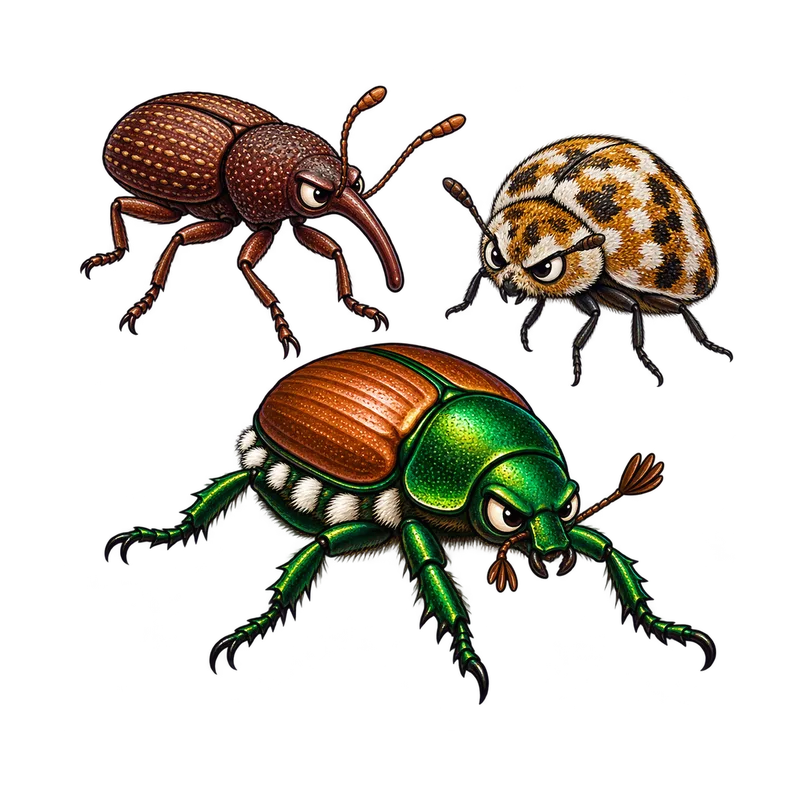
When carpet beetle larvae are found in bedding, you should strip the bed and wash launderable items in hot water followed by high-heat drying. Delicate natural items require sealing in a plastic bag and freezing at zero degrees Fahrenheit for three to seven days. Vacuum the mattress, box spring, and bed frame thoroughly, then discard the vacuum contents immediately in a sealed outdoor trash bag.
What is actually going on
Picture peeling back your cotton duvet on a quiet Tuesday morning, only to spot a tiny, hairy brown grub inching across the fitted sheet. It looks like a miniature caterpillar moving with a slow, deliberate crawl. Panic usually arrives right about then, especially if you wonder whether something in your bed is chewing on you while you sleep. Take a deep breath, because you are not dealing with bed bugs. You have found carpet beetle larvae, and while they are unwelcome guests, they are entirely manageable once you know what they are after.
The most common misconception is that these bugs showed up to eat your cotton sheets or polyester pillowcases. In reality, carpet beetle larvae cannot digest synthetic fibers or pure plant cotton. They are after animal protein, specifically keratin. Your bed becomes an attractive spot because of what we leave behind every night. We shed thousands of microscopic skin flakes, sweat out body oils, and drop stray hairs into the mattress tufts and sheet folds. Even if your linens are one hundred percent cotton, a coating of human skin and sweat turns them into a gourmet buffet for opportunistic larvae.
Adult carpet beetles do not care about your fabrics at all. They fly in from the outdoors through open windows, drawn to sunlight, or they live in bird and rodent nests tucked away in your roof eaves or attics. Mated females slip inside to lay eggs in dark, undisturbed places. A mattress edge, a box spring crevice, or a pile of wool blankets in a nearby closet provides the ideal quiet nursery. Once those eggs hatch, the larvae begin to wander and graze, leaving behind hollow, papery shed skins that look like translucent crispy rice husks and tiny fecal pellets no larger than grains of table salt.
How to tell for sure
Identification always comes before control. You usually need to look closer at what is crawling on your bedding to make sure you are treating the right pest. Grab a magnifying glass and check the shape and texture of the creature.
Carpet beetle larvae typically fall into a couple of recognizable groups. Black carpet beetle larvae are narrow and carrot-shaped, tapering toward the rear, and usually feature a long, brushy tail of bristles. Varied carpet beetle larvae are shorter and stubby, resembling tiny woolly bears with alternating light and dark brown bands and dense tufts of hair on their backs. If you find smooth, unsegmented grubs, you might be looking at something else entirely.
You also want to check for the telltale signs of what is missing. Unlike clothes moths, carpet beetle larvae do not spin silken feeding tubes, nor do they construct portable cases out of fabric scraps. If you see fine, silky webbing or webbed cocoons across your blankets, you are likely dealing with clothes moths instead. Carpet beetles just leave their hairy cast skins and those salt-grain droppings scattered in the seams.
One detail that causes a lot of unnecessary alarm is the question of bites. Carpet beetles possess chewing mouthparts designed for fibers and organic debris, and they have no capacity to bite humans or suck blood. If you wake up with red, itchy bumps, those are not carpet beetle bites. They are usually a reaction known as carpet beetle dermatitis, which happens when your skin brushes against the barbed hairs and shed skins left behind by the larvae.
What usually comes next
When you discover larvae right in your bedding, you need a straightforward physical and thermal response, not a chemical spray. Never spray liquid insecticides, aerosol fogs, or bug sprays directly onto your mattress, sheets, or pillows. Spraying sleeping surfaces exposes you to unnecessary chemical contact and violates the safety directions on product labels.
Your first practical step is stripping the bed and taking care of the linens. All launderable items like sheets, pillowcases, washable mattress pads, and blankets need to go straight into the washing machine on a hot water cycle, followed by high-heat drying. The heat and agitation kill every life stage from eggs to adults. If you have delicate items like wool blankets, feather pillows, or down comforters that cannot handle hot water washing, use the freezer method. Wrap the items tightly in a clean sheet, seal them inside a heavy plastic bag with the excess air squeezed out, and place them in a freezer operating at zero degrees Fahrenheit for three to seven days. When you take the bag back out, let it sit unopened at room temperature for a full day so condensation forms on the plastic rather than dampening your natural fibers.
While the bedding is being treated, you need to clean the bed itself. Vacuum the mattress thoroughly, paying close attention to the piping, buttons, tufts, and side seams. Vacuum both sides of the box spring, the bed frame joins, the headboard cracks, and the baseboards directly beneath the bed. As soon as you finish, take the vacuum bag or empty the dust canister straight into a plastic trash bag, seal it tightly, and carry it out to your exterior trash bin so nothing crawls back out.
When to get help
Most household carpet beetle encounters can be handled with thorough laundering, freezing, and persistent vacuuming. However, certain situations call for outside help.
If you live in an apartment complex or multi-unit building, larvae can easily travel through wall voids and utility chases from a neighboring unit. In that scenario, cleaning your own bedroom offers only temporary relief, and you will need to coordinate with building management or a professional pest control operator for a coordinated inspection.
You should also involve a professional if the infestation traces back to antique upholstered furniture stuffed with horsehair or heavy wall-to-wall wool carpets where the insects have nested deep out of reach of a residential vacuum. In addition, if you find larvae that look unusual, highly aggressive, or exhibit extreme hairiness that does not match standard descriptions, they could potentially be regulated quarantine pests like the Khapra beetle, which requires professional identification and reporting to agricultural authorities.
Finally, if anyone in your home experiences persistent skin rashes, severe allergic reactions, or respiratory irritation that does not clear up after you clean the bedding, consult a physician or dermatologist right away to address the physical symptoms safely.