
When is a termite inspection worth scheduling?
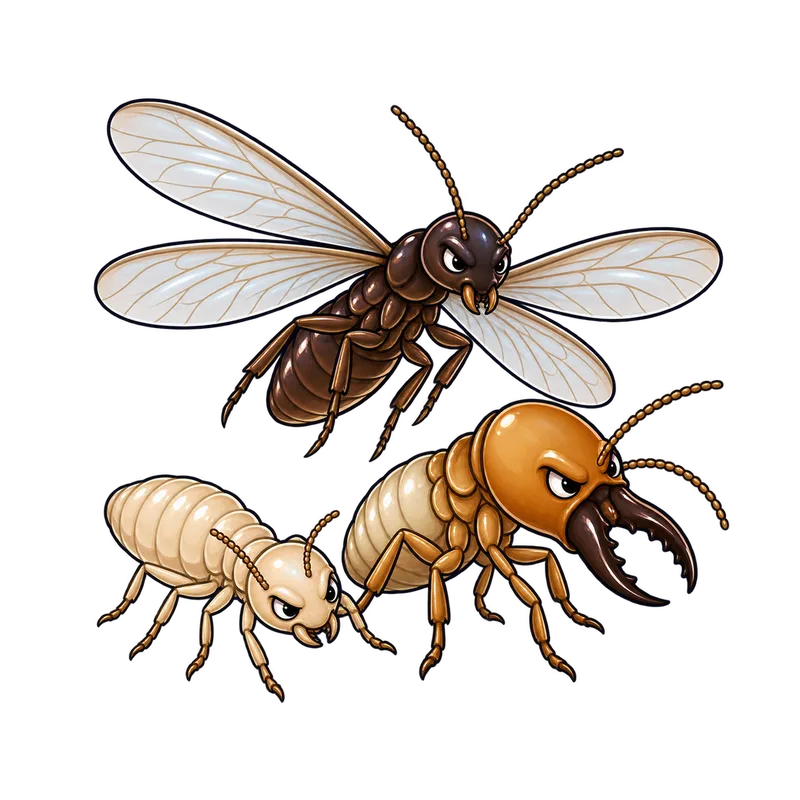
A professional termite inspection is worth scheduling at least once a year as a routine health check for your home. You should also book one immediately when buying or selling a house, or after major disruptions like local flooding, severe plumbing leaks, or noticing winged bugs swarming near windowsills.
What is actually going on
Picture yourself walking down your hallway on a quiet Sunday morning. You notice a tiny pile of what looks like coarse sand sitting right on the baseboard, or perhaps a faint ripple in the paint near the door frame that wasn't there last month. Your mind immediately jumps to the worst-case scenario. You wonder if your house is quietly being eaten from the inside out while you sleep. The short answer to whether you should schedule a termite inspection is yes, and you should ideally do it at least once a year as a routine health check for your home, just like you would service your heating system or schedule a dental visit.
People often assume that if they do not see bugs crawling across their living room rug, everything is fine. Termites and other wood-destroying organisms, however, spend almost their entire lives hidden away inside framing timbers, subfloors, and wall cavities. They do not advertise their presence. By the time you notice sagging floors or structural damage, a colony might have been quietly feeding for years. Waiting for obvious signs of failure before calling someone is a bit like waiting for your car engine to seize up before checking the oil.
Beyond routine annual checks, certain milestones demand an inspection right away. If you are buying or selling a home, a pre-purchase timber pest inspection is practically mandatory for mortgage approval and peace of mind. The same goes for any major environmental disruption, such as local flooding, a severe plumbing leak under your shower tray, or noticing winged bugs swarming near your windowsills. These events change the moisture levels and barriers that usually keep wood-pests at bay, turning your framing into an open invitation.
How to tell for sure
Spotting wood-pests usually comes down to knowing what kind of clues they leave behind, because you rarely see the insects themselves. Subterranean termites rely on moisture and build muddy shelter tubes across concrete foundations to travel from the soil into your home without drying out. If you spot these earthen tunnels along your basement walls or crawlspace piers, you usually have an active colony.
Drywood termites take a different approach. They live entirely inside dry wood and push their waste out through tiny kickout holes. Those little piles of sand-like pellets on your windowsill are a classic giveaway. Under a magnifying glass, those individual fecal pellets feature several distinct, concave sides.
Wood-boring beetles leave entirely different evidence. Powderpost beetles make tiny round pinholes and push out fine, talc-like flour, while other beetles leave slightly larger exit holes with gritty pellets. If you tap on a timber beam and hear a hollow thud, or if you hear a faint, rhythmic ticking sound inside a quiet wall at night, that acoustic alarm is usually made by soldier termites banging their heads against the gallery walls when disturbed.
Visual checks generally have limits. A standard non-invasive inspection covers readily accessible areas, such as roof voids and subfloor crawlspaces. Inspectors typically do not lift wall linings or rip up carpets during a standard look, so hidden areas can sometimes harbor activity even if the rest of the house looks clean.
What usually comes next
Once an inspection is done, you typically face a simple choice based on what the written report actually reveals. If the professional gives your house a clean bill of health, your primary task is to maintain your baseline defenses. That means keeping your foundation edges and weep holes clear with an open zone so wandering pests are forced into the open where you can easily spot them.
When the paperwork shows vulnerable conditions, like firewood stacked against the outside wall, poor airflow underneath, or a leaking pipe soaking your floor timbers, you fix those issues right away. Removing wood-to-soil contact and managing moisture takes away the exact environment these organisms need to survive and multiply.
If the visit confirms an active infestation or physical damage, your next phase shifts from basic upkeep to active repair. An inspector will show you where the damage is, but remember that they evaluate insects rather than building safety. When moderate to heavy timber damage shows up, you must bring in a licensed carpenter or structural engineer to check if those framing beams require replacement. Any chemical treatments or barriers have to be applied by a certified professional following strict product instructions.
When to get help
Certain scenarios mean you need to step back and let a qualified expert take over instead of trying to fix things yourself. If a visual check uncovers severe hollowness in primary load-bearing supports like roof trusses, floor joists, or wall studs, do not attempt structural fixes on your own. You need a licensed contractor or structural engineer to evaluate the safety of the house.
Species-level identification also has its limits. While residents can spot mud tubes or droppings, confirming whether you face a local pest or a destructive invasive species often requires specialist knowledge, magnification tools, or professional lab identification.
If the check reveals protected wildlife, like bats or nesting birds taking up space in your crawlspace or attic, local environmental laws usually restrict how you can handle them. You will need to contact an environmental protection agency or a licensed wildlife control handler.
Finally, if you or anyone in your household experiences unusual health symptoms, suspected insect bites, or allergic reactions, skip the pest manual and speak with a licensed clinician, an urgent care center, or poison control right away. Pest inspectors and chemical treatments deal with wood and insects, not medical diagnosis.