
Flying ants vs termites: how can you tell them apart?
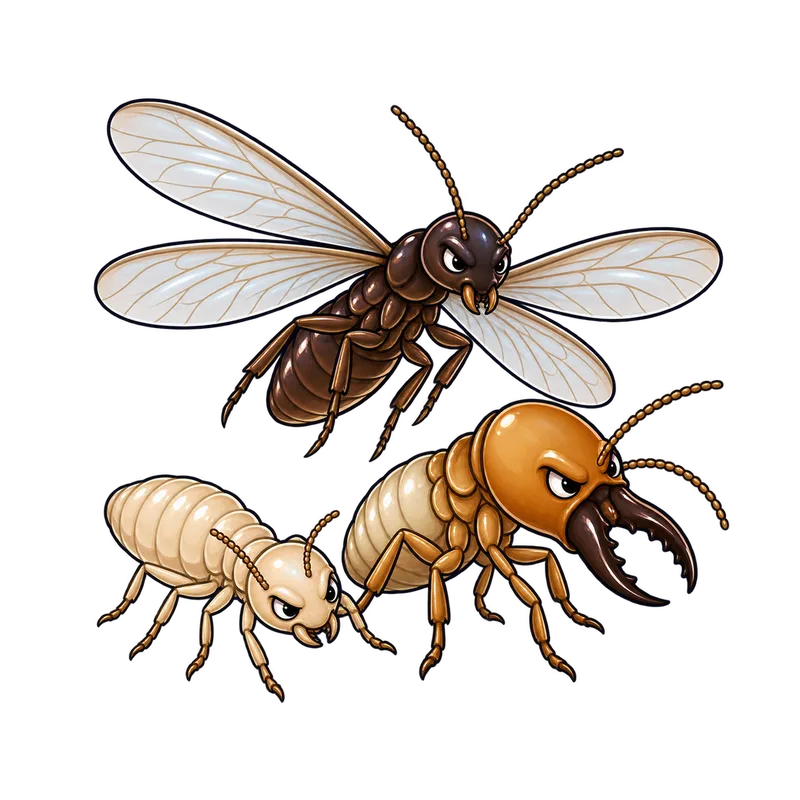
You can tell flying ants and termites apart by looking at their antennae, body shape, and wings. Termite antennae are straight like beads, their bodies are broad with no waist, and they have four wings of identical length. Flying ants have elbowed antennae, a pinched waist, and front wings that are noticeably larger than their hind wings.
What is actually going on
Imagine walking into your sunroom on a warm spring morning and noticing what looks like a tiny blizzard of translucent bugs fluttering around the windowsill. Before you reach for a shoe or an aerosol can, pause for a second. You might be looking at harmless flying ants, or you might be staring at the advance guard of a termite invasion. Confusing the two is remarkably easy, but making the wrong guess can leave your structural framing open to severe damage while you worry over a simple nuisance.
Both flying ants and termites produce winged adults, known as reproductives, that leave their home colonies in massive swarms to mate and start new nests. This synchronized flight usually happens on warm, humid days, often right after a rain shower when the air is thick and the soil is soft. Because both insects sprout wings and suddenly appear in large numbers indoors, homeowners tend to lump them into the same category.
The biological reality, however, is worlds apart. Ants belong to the order Hymenoptera, sharing family traits with bees and wasps, while termites are closely related to wood-eating cockroaches. That fundamental difference in ancestry accounts for why one insect is merely an unwelcome houseguest while the other can compromise the structural integrity of your home. Telling them apart does not require a degree in entomology, just a careful look at three distinct body parts.
If you managed to trap a few of the insects in a clear container, you can usually tell whether you are dealing with ants or termites by checking three clear features. First, look at the antennae. Termite antennae are straight and look like tiny, flexible strings of round beads. Ant antennae are distinctly elbowed, featuring a sharp bend much like a human arm.
Second, examine the body shape, particularly the midsection. Termites have a broad, uniform body width with no constriction, looking almost like a small grain of rice with legs. Ants, on the other hand, have a sharply pinched waist that separates the thorax from the abdomen, giving them that classic hourglass figure.
Third, inspect the wings. Termites possess four wings of identical length, shape, and vein pattern that lie flat and extend well beyond the tip of the abdomen. Ants also have four wings, but their front wings are noticeably larger than their hind wings, and the folded wings rarely stretch past the tail end of the bug.
Physical evidence left behind at the swarming site offers another clue. Termite reproductives shed their wings deliberately shortly after landing, which means finding small, neat piles of identical detached wings on a windowsill usually points straight to termites. Ants tend to hold onto their wings much longer. Furthermore, if you examine the debris inside damaged wood, termites leave behind mud plaster, soil, or hard, six-sided fecal pellets, whereas carpenter ants chew out smooth galleries and kick out clean, fibrous sawdust mixed with dead ant parts.
How to tell for sure
Once you have pinned down what you are looking at, the main thing is figuring out whether you have a minor outdoor nuisance or a genuine indoor emergency. Spotting a swarm of insects buzzing around an old tree stump in the yard is just normal spring activity, as local colonies send out their yearly flyers. Finding those same winged bugs crawling out of your baseboards, wall voids, or window frames is a completely different story, usually pointing to an active nest hidden right inside your house.
Do not bother grabbing a can of bug spray to wipe out the swarm. Dousing visible flyers only kills a tiny fraction of the bugs and often drives the rest of the colony deeper into your wall framing. Instead, drop a few intact specimens into a small vial of rubbing alcohol if you want to show someone later, and gently tap your floor joists or door frames with a screwdriver handle. Solid wood gives back a firm knock, while timber eaten out from the inside sounds hollow and papery.
What usually comes next
If your little test points toward termites or structural carpenter ants, your next smart move is to step back and call for proper backup. Because subterranean termites stay completely hidden behind drywall and inside joists, doing serious damage long before you spot a single bug, picking up a retail spray at the hardware store will not solve the issue. Knowing the difference between the two lets you talk sensibly with a qualified professional who can find the real source of the nest and suggest a workable fix.
When to get help
There are plenty of times when a weekend do-it-yourself project just will not cut it, and wood-destroying pests require trained specialists. If you uncover active subterranean termites, heavy damage to load-bearing beams, or bugs pouring out of multiple spots inside the house, you need to bring in a licensed pest control operator and likely a carpenter too. These jobs usually call for specialized gear, thorough structural checks, and treatments like chemical soil barriers around the foundation that go way beyond regular home maintenance.
Safety also matters when you are dealing with the aftermath of an infestation in your living space. Carpenter ants do not sting, but they can give you a sharp defensive nip with their jaws and spray formic acid into the cut. If anyone in your house reacts badly to a bite, develops an allergy, or has trouble breathing, get medical help right away from a doctor, an urgent care clinic, or poison control.
Finally, keep local rules in mind while you inspect your property. If your checks happen to turn up protected wildlife, such as bats roosting in a structural void or protected birds nesting in damaged timber, you need to stop working and follow local wildlife protection laws. Leave those situations to the proper state or national environmental agencies so native species stay safe while you take care of your home.