
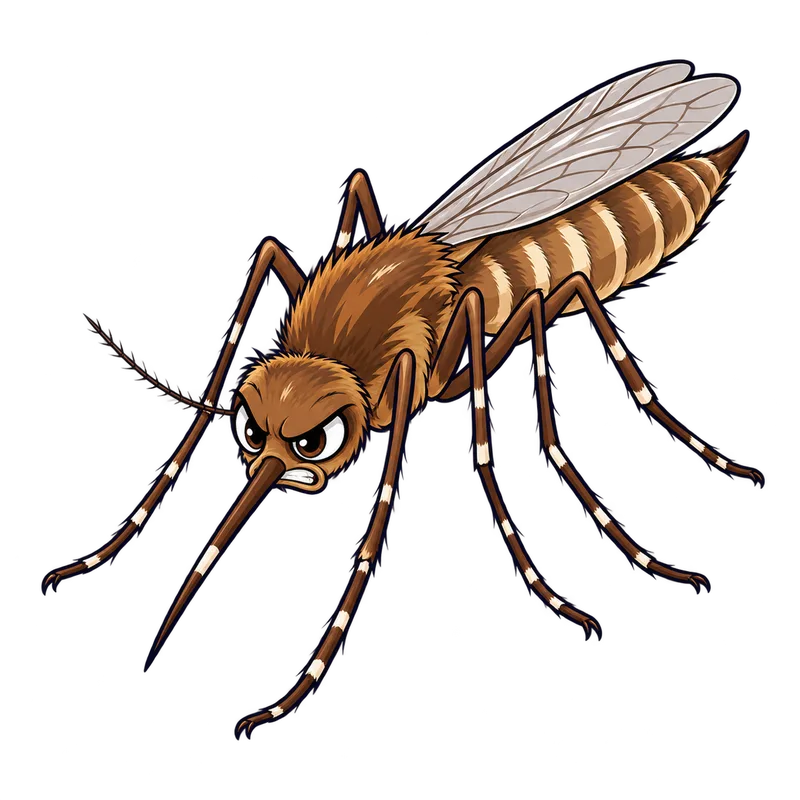
Western encephalitis mosquito
Culex tarsalis
- Size
- 3 to 6 mm
- Color
- Brownish overall with light or grayish scales
- Habitat
- Standing water, irrigation sites, and humid shelters
- Diet
- Plant nectar, with females requiring vertebrate blood
- Life cycle
- Complete metamorphosis lasting 7 to 10 days
The western encephalitis mosquito, known scientifically as Culex tarsalis, is a slender, brownish fly that measures 3 to 6 mm in length. Telling it apart from other insects requires looking at details that are hard to spot without a magnifying glass or microscope. Its single pair of clear, unspotted wings features tiny scales lining the veins. When resting on a wall or ceiling, it holds its body parallel or at a slight angle to the surface.
Identity
This posture rules out the malaria mosquito, genus Anopheles, which tilts its body at a striking 45-degree angle with its rear end hoisted in the air. Non-biting crane flies are often mistaken for giant mosquitoes because of their long legs and 15 to 25 mm frames, but they lack the piercing mouthparts and scaled wing veins that define true mosquitoes. Fungus gnats and non-biting midges are also smaller or lack the long proboscis needed to feed.
Within the genus, sorting Culex tarsalis from close relatives like the common house mosquito relies on microscopic examination of scale patterns on the proboscis and legs. Female Culex mosquitoes feature short palps on either side of their mouthparts, whereas male specimens display strikingly bushy, feather-like antennae.
Habitat & behaviour
Stagnant water dictates where this species thrives. Females lay 100 to 300 eggs at a time, gluing them together into a dark, boat-shaped raft that floats directly on the surface of calm water. Breeding sites span natural ponds, neglected swimming pools, roadside ditches, and flooded agricultural fields like rice paddies and irrigation tailwater pits.
Adults are strictly nocturnal or crepuscular feeders, meaning they remain hidden in cool, dark vegetation, brush piles, or lower tree canopies during the heat of the day and emerge to seek hosts from dusk until dawn. Flight range is considerable, as individuals routinely disperse up to 2 miles from their larval emergence sites in search of blood meals or fresh water.
Seasonal shifts govern their feeding habits. In spring and early summer, populations feed heavily on birds in wild or semi-rural nesting areas. By late June and into autumn, a critical shift occurs as females expand their host range to include humans, horses, and other mammals. Mated females survive the winter months by entering a dormant state in unheated basements, caves, animal burrows, and hollow trees, while males die off with the first cold snaps of autumn.
Visual variations
Life for this insect unfolds through four distinct phases: egg, larva, pupa, and adult. Those floating rafts hatch into aquatic larvae that everyone calls wrigglers. These legless creatures hang downward at a sharp angle from the water surface, breathing through a long tube while sweeping up tiny bits of organic debris and algae with their mouth brushes.
Four skin sheds later, the larva turns into a comma-shaped pupa known as a tumbler. This stage skips eating entirely, just hanging out near the surface while drawing air through a pair of horn-like trumpets on its chest. When a shadow passes over, they use tail paddles to flip and dive straight down toward the bottom.
Adults crawl out of their pupal skins after a couple of days, showing off a soft slender frame, long legs, and that telltale downward-pointing proboscis. Females need a blood meal to get the protein required for laying eggs, so they use their specialized mouthparts to pierce skin. Males skip blood entirely and stick to a quiet diet of flower nectar, plant sap, and sweet plant juices.
Why it matters
Finding this mosquito around your property means you might be sharing space with a carrier of serious pathogens. Operating as a main transmitter across the West and Midwest, the species carries West Nile virus, St. Louis encephalitis, and Western equine encephalitis to people and livestock. Family dogs also run the risk of contracting canine heartworm when these insects feed in the evening.
Looking at a skin welt will never tell you which insect left it, since itching and swelling are just standard allergic reactions to mosquito saliva. Anyone dealing with intense swelling, a high fever, a stiff neck, confusion, or unusual muscle weakness needs to check in with a doctor, urgent care clinic, or regional poison control center right away.
Horses are particularly vulnerable to these encephalitis strains, but your veterinarian can administer vaccines that keep them safe if you stay on top of yearly boosters. Since human vaccines do not exist for these specific viruses, your best bet for staying healthy relies on using EPA-registered repellents, wearing long sleeves outside, and dumping any standing water around the yard.
Similar species
 Eastern treehole mosquitoAedes triseriatus
 Common malaria mosquitoAnopheles quadrimaculatus
 Saltmarsh mosquitoesAedes species
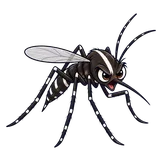 Asian tiger mosquitoAedes albopictus
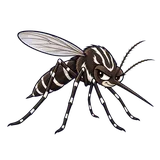 Yellow fever mosquitoAedes aegypti
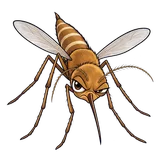 Northern house mosquitoCulex pipiens