
How do you control mosquito larvae in water safely?
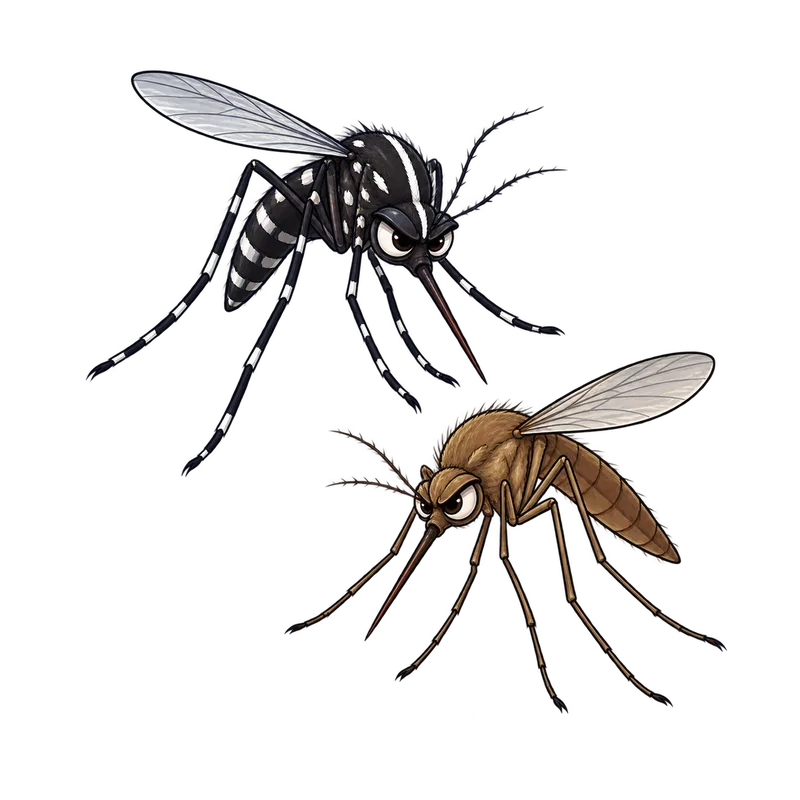
You control mosquito larvae in water safely by getting rid of standing water every week or by introducing targeted biological controls like bacteria based products. This approach breaks their life cycle without posing any threat to birds, pets, or your garden plants.
What is actually going on
You walk out to the back patio on a quiet Tuesday evening, intending to enjoy a peaceful five minutes with a cold drink, and instead you find yourself playing host to an entire aerial squadron of mosquitoes. They seem to materialize out of thin air, buzzing around your ankles and turning your quiet break into a frantic swatting exercise. Where are they all coming from? If you trace the problem back to its source, you usually find a small, forgotten pocket of water. Maybe it is an overturned saucer holding a couple of inches of rain, or perhaps the bottom of a neglected planter gathering water from the last garden hose session.
Inside that quiet puddle, a biological drama is playing out at an astonishing speed. Female mosquitoes deposit eggs directly onto the water surface or along the damp margins of containers, and in warm summer weather, those eggs hatch into aquatic larvae within twenty-four to forty-eight hours. These little creatures, often called wrigglers, spend five to seven days doing little more than feeding on organic particles suspended in the water and breathing through a specialized tube at the surface. They do not have legs, and they move with a distinct, jerky wiggle whenever a shadow falls over their temporary home.
After a week of gorging themselves, they transform into pupae, known as tumblers because of how they flip through the water. This stage lasts just two to three days, and during this time, they stop feeding altogether while their adult wings and legs form beneath the skin. Once that brief transition finishes, the pupal skin splits, and fully formed adult biters take flight into your yard. The entire cycle from egg to winged pest can tick by in less than ten days if the weather stays warm.
Controlling mosquito larvae safely before they ever take flight comes down to two main approaches: breaking their life cycle by dumping out their nurseries, or treating the water they cannot leave behind. Source reduction, which simply means getting rid of standing water every week, stops the cycle in its tracks. When you are dealing with permanent water features like rain barrels, ornamental ponds, or catch basins that you cannot easily empty, you can introduce targeted biological controls like bacteria-based products that kill the larvae without posing any threat to birds, pets, or your garden plants.
Mosquito larvae are aquatic immature insects that must live in still water to complete their development. They lack internal gills and depend on a daily rhythm of swimming to the surface, where they puncture the water film with a breathing tube to draw atmospheric air. Because warm temperatures accelerate their metabolism, this aquatic phase happens quickly in midsummer, pushing them through four distinct growth stages before they transition into non-feeding pupae.
This exact dependency on the water surface is what makes them vulnerable to targeted control methods. If the water is disrupted, or if biological agents are introduced that target their specific gut chemistry, the cycle stops before new biting adults emerge. Understanding this narrow window helps explain why turning over a forgotten bucket every week prevents a massive backyard infestation without requiring complicated chemical sprays.
How to tell for sure
Before you pour anything into a container or start scrubbing your outdoor decor, it helps to confirm what is actually swimming around in the water. Not every wiggly thing in a puddle is a mosquito, and treating the wrong organism is a waste of your time. If you scoop up a sample in a clear jar and take a close look, you usually notice distinct visual clues that give away the identity of the inhabitants.
Mosquito larvae hang suspended from the water surface, anchoring themselves with a tiny breathing tube while they trail downward like microscopic acrobats. When you tap the side of the container, they usually dive downward with a frantic, writhing motion, only to float back up to the surface a moment later because they need to draw atmospheric air. They feature a distinct dark head, a swollen middle section, and a slender tail end.
You might occasionally find other critters sharing the water or living nearby, and it pays to know the difference. Non-biting midge larvae, often called bloodworms because of their bright red color, tend to live down in the bottom muck and whip their bodies from side to side instead of hanging from the surface. Black fly larvae anchor themselves to rocks or sticks in fast-flowing streams rather than sitting in quiet, stagnant puddles. Drain fly larvae prefer the thick, gelatinous scum inside indoor plumbing pipes rather than clean outdoor standing water.
Spotting mosquito larvae is usually straightforward when you look for that vertical hanging posture and the characteristic twitching escape movement. If you find comma-shaped pupae tumbling actively through the water instead of feeding larvae, your timing changes because those older stages will ignore standard larvicides and require physical removal or a different approach entirely.
What usually comes next
You have spotted the wrigglers, and now you have to decide how to handle the water they are living in. The most practical decision you can make right now is determining whether that water can be dumped out entirely or if it needs to stay where it is. If the water is sitting in a child's wading pool, a discarded bucket, an upturned bin lid, or a flowerpot saucer, your best move is simply to empty it onto the dry ground and scrub the inside of the container to dislodge any sticky eggs clinging to the walls.
When the water cannot be dumped out, such as in a rain barrel used for watering your garden vegetables or an ornamental water feature that anchors your landscaping, you need a different strategy. In those cases, you usually want to apply a targeted biological larvicide containing a natural bacterium that dissolves only in the alkaline digestive systems of specific fly larvae. These products, often sold as floating rings or granules, release a biological control agent safely into the water.
Choosing the biological larvicide route allows you to treat the water safely without worrying about your dog taking a drink from the birdbath or your local bluejays stopping by for a splash. The active ingredients target the feeding stage of the mosquito life cycle while leaving fish, frogs, plants, and mammals completely unharmed. You drop the product into the water, let it work for up to a month, and repeat the application as long as warm weather keeps the mosquito cycle running.
When to get help
There are moments when a backyard DIY approach is simply not enough, or when the situation moves past the boundaries of routine property maintenance. If you notice standing water accumulating in large public drainage systems, abandoned neighborhood swimming pools, or vast municipal ditches, do not attempt to treat these areas yourself. Applying treatments to public waters or commercial properties usually requires a licensed pest control operator or an official vector control district to ensure compliance with environmental regulations and local pesticide laws.
You should also look beyond your yard when health concerns arise. If someone in your household experiences severe local reactions, persistent fevers, confusion, or severe headaches following mosquito bites, consult a clinician or seek medical attention promptly, as local health departments track vector-borne illnesses closely.
Pet owners face a similar boundary with animal health. Mosquitoes transmit heartworms to dogs and cats, and treating the yard alone will not protect an animal that lacks proper veterinary care. Take your pets to a licensed veterinarian for regular testing and prescription heartworm preventatives before the warm season peaks, ensuring they stay protected even if a stray mosquito manages to slip through your defenses.