
How long do mosquito eggs take to hatch?
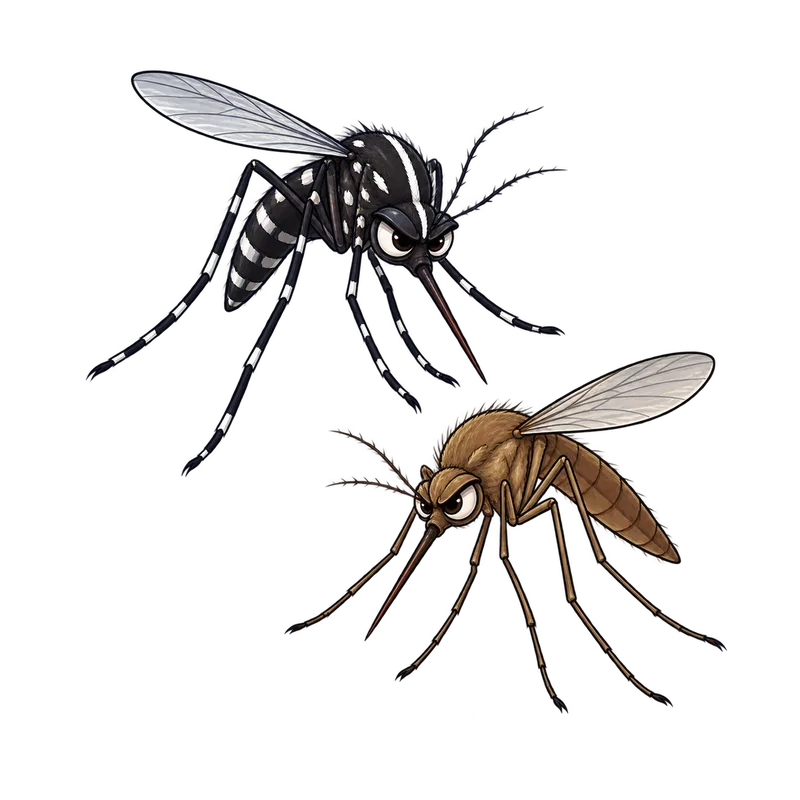
Mosquito eggs take anywhere from two to three days to several years to hatch. The exact time depends on the specific type of mosquito and whether the eggs are laid directly on water or on dry surfaces. Permanent water species hatch in a few days, while container mosquitoes can stay dormant for up to three years until water submerges them.
What is actually going on
You walk out to the back patio on a humid Tuesday morning, ready to enjoy your coffee, only to notice a tiny cluster of black specks drifting on the surface of the birdbath water. You might wonder if you are looking at a patch of floating soot or something far more purposeful. If you poke that little dark speck, you are looking at the opening act of an entirely new generation of biting pests.
How long those eggs take to hatch depends entirely on the type of mosquito you are dealing with and where they decided to drop their load. Under warm and moist conditions, permanent water mosquitoes like house mosquitoes hatch in just two to three days. They lay their eggs directly on the water surface, gluing them together into tiny floating rafts that look like microscopic bits of floating debris.
Container and floodwater mosquitoes play a completely different game. Species like the Asian tiger mosquito do not drop their eggs into open water at all. Instead, they glue them individually to the dry inner walls of a bucket, an old tire, or a damp patch of soil just above the waterline. Those eggs are built like tiny time capsules. Once they finish developing inside their shells, they enter a dormant state that lets them sit completely dry for weeks, months, or even up to three years.
The moment a sudden summer rainstorm fills that bucket or puddle and submerges the dry eggs, the drop in local oxygen triggers the tiny larvae inside to rupture their egg caps. They can emerge within hours of getting wet. That is why a yard can seem clear of pests one afternoon, only to erupt with activity a day or two after a heavy downpour.
How to tell for sure
Spotting actual mosquito eggs with the naked eye takes patience and a sharp focus, because they are usually no bigger than a grain of sand. If you see a small, dark, vertical oval floating on standing water that resembles a tiny speck of pepper standing on end, you are usually looking at a house mosquito egg raft containing anywhere from one hundred to three hundred individual eggs.
If you are inspecting the dry plastic wall of a discarded flowerpot saucer or a neglected pet bowl just above the water line, you will usually find single, dark, oblong eggs stuck tightly to the surface. They look almost like smudges of dirt or dark paint. You cannot tell what species you are looking at from the egg alone, but if the eggs are dry and stuck to the side of an empty container, they usually belong to container-breeding floodwater species that are just waiting for a splash of water to wake them up.
People often confuse tiny bugs buzzing near a damp indoor plant or a kitchen sink with mosquitoes, but those are usually drain flies, fungus gnats, or harmless midges. None of those lookalikes leave floating rafts on stagnant water or stick tough little capsules to dry plastic edges. If the insects do not bite, or if they crawl out of a bathroom drain instead of standing garden water, you can rest easy knowing they are not mosquitoes.
What usually comes next
Since warm weather can push an egg from a fresh speck to a biting adult in roughly seven to ten days, your smartest move is a weekly patrol of the yard. Tip out, scrub down, and flip over anything holding water at least once a week.
That seven day window is not some random rule. It beats the absolute fastest timeline the insect has for growing up. Simply splashing the old water out rarely finishes the job because those tough container eggs stick hard to the plastic sides. When you dump out a birdbath or a plant tray, you need to grab a stiff brush and scrub the interior walls to knock loose and destroy the stuck eggs. If you just pour out the water and leave the dry container sitting right where it was, those waiting eggs will simply hatch the moment the garden hose fills it back up.
When to get help
Sometimes the problem isn't a neglected bucket in the garden, but a neighborhood retention pond, an unmaintained municipal storm drain, or a massive flooded ditch down the block. When a heavy wave of mosquitoes comes from large bodies of water outside your fence line, you will want to call your local mosquito control district or a licensed professional applicator to step in and handle the situation properly.
On the health side, you need to know where your control ends. Mosquitoes can carry serious illnesses like West Nile virus, dengue, Zika, and eastern equine encephalitis. If someone in your house develops a high fever, bad headache, confusion, or severe swelling after getting bitten, do not try to guess what is wrong or treat it yourself. Get them straight to a clinician, an urgent care clinic, or your local poison control center.