
What should you do about mosquito eggs in a pool?
To deal with mosquito eggs in a pool, you need to restore water circulation and filtration immediately, drain any standing puddles on the covers, and treat unmaintained water bodies with a targeted biological larvicide. The right fix depends on whether your pool system works and whether you are dealing with floating rafts or single eggs stuck to damp surfaces.
What is actually going on
You walk out to the backyard on a warm Saturday in June, pull the leaf net off the pool, and notice something unsettling. Floating near the skimmer box is a tiny, dark speck that looks like a pinch of soot, or perhaps the water line of the pool cover is dotted with minuscule grains of rice. If your pool pump has been off for a week while you were away, or if a heavy rain left a sagging puddle of water on your winter cover, you are likely looking at mosquito eggs.
To clear them out and stop them from hatching, you need to restore water circulation and filtration immediately, drain any standing puddles on your pool covers, and treat unmaintained water bodies with a targeted biological larvicide. Female mosquitoes do not care that you paid thousands of dollars for a backyard oasis. To them, a still, unchlorinated, or debris-filled pool is simply a massive, quiet nursery waiting for a clutch of eggs.
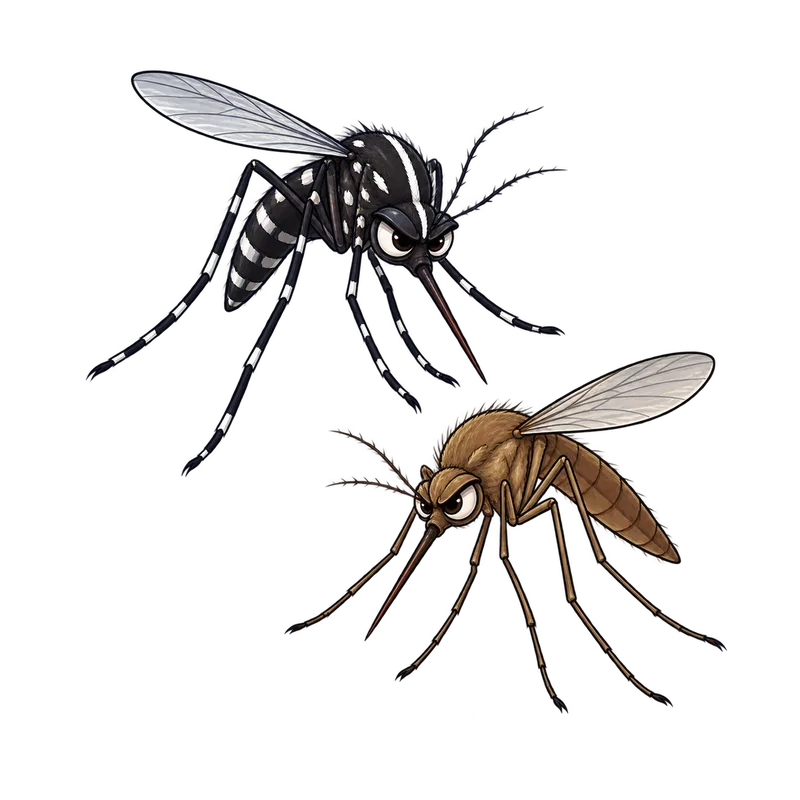
Depending on the species, those eggs arrive in one of two ways. Common house mosquitoes lay their eggs in floating rafts of one hundred to three hundred eggs directly on the water surface, looking like tiny, upright specks glued together. Other species, such as the Asian tiger mosquito, prefer to lay individual eggs on damp surfaces just above the waterline, on pool tiles, or in the folds of sagging pool covers. Those single eggs are remarkably tough and can sit through dry spells, waiting patiently for the next rain or splash to submerge them and trigger a hatch.
Spotting something unusual in the water usually sends homeowners into a panic, but not everything floating in a pool is a mosquito hazard. If you scoop up a sample in a clear cup, look closely at how the organisms move. Mosquito larvae, often called wrigglers, hang from the water surface to breathe through a little siphon tube. When a shadow passes over them, they jerk in an S-shaped motion and dive downward, usually returning to the top a moment later.
As they develop into the pupal stage, they turn into comma-shaped tumblers that flip wildly through the water instead of feeding. You will also want to rule out impostors. Homeowners frequently mistake springtails for mosquito eggs or larvae. Springtails are tiny, dark, jumping insects that often gather in massive grey or black mats on the water surface, clogging skimmer baskets without ever biting a human.
Common beliefs can also lead you astray. Many people assume that a high chlorine shock will instantly melt away mosquito eggs, but if your pool has a heavy load of organic debris like fallen leaves and algae, that organic matter devours free chlorine almost instantly. Without physical removal of the debris and active filtration, the water remains an open invitation for more egg-laying.
How to tell for sure
Your single best move at this point is picking whether to get the pool running again or treat the water like a permanent puddle. If the filtration system still works, fire up the pump, clean out the filters, and get the sanitizer levels back where they belong. Clean water that moves and holds enough chlorine stops new females from dropping eggs and ruins the life cycle of whatever is already floating around.
If you are looking at a swampy green nightmare at an empty vacation house, or a pool with a broken pump that cannot be fixed right away, reaching for a biological control makes the most sense. Grab some floating bacteria rings or dunks, which contain a soil germ that specifically kills mosquito larvae when they eat it, leaving pets, fish, and people completely unharmed. These floating blocks usually work for about a month, tackling the hatchlings right where they feed.
For tiny plastic wading pools or sagging winter covers, the old-fashioned physical cleanup works best. Empty the water completely, scrub the inside walls to break loose any stubborn eggs stuck just above the dry line, and flip the whole thing upside down so it never catches another drop of rain.
What usually comes next
Sometimes a backyard mosquito nightmare is bigger than what you can or should handle on your own property. If that foul, neglected pool belongs to an abandoned house next door, do not jump the fence to drop treatments in yourself. Call your local mosquito control district or public health office instead, because those agencies have the legal muscle to inspect abandoned lots and treat the water so the whole neighborhood does not suffer.
You should also call in a professional exterminator if you are running a commercial facility, a massive public pool, or dealing with an outbreak so heavy that you need barrier sprays around the surrounding bushes. Keep in mind that standard bug sprays are meant for plants and shaded resting spots, and the product directions strictly forbid spraying adult bug killers straight into an open swimming pool.
When to get help
From a health perspective, swarms of mosquitoes breeding in neglected pools can carry nasty illnesses like West Nile virus, Eastern equine encephalitis, or dengue. If anyone in your house spikes a high fever, gets a brutal headache, or shows strange neurological signs after dealing with a heavy bug problem, call a doctor right away. Dog owners also need to keep their pets on regular heartworm medication, since local mosquitoes spread heartworms easily through a simple bite.
Getting rid of mosquito eggs in a pool calls for fast physical and chemical work. Once you get that water moving properly or drop the right biological controls into the mix, your backyard finally belongs to you again.