
What do mosquito eggs look like?
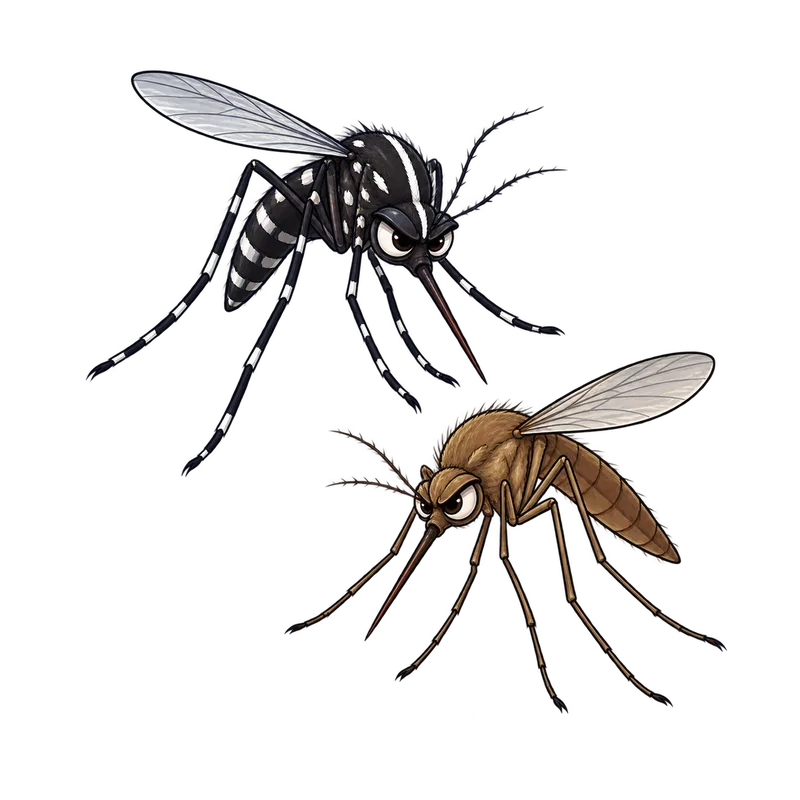
Mosquito eggs look like tiny, dark specks measuring less than 1 mm in length, but their appearance depends entirely on the species. Some mosquitoes float dark egg rafts on the water surface, while others lay single oval eggs on damp soil or container walls just above the waterline.
What is actually going on
You are out in the yard on a warm Saturday morning, rinsing out an old plastic flowerpot left behind the garage, and you notice a tiny speck of black pepper floating on the water inside. Naturally, you wonder if you are looking at the start of the next backyard mosquito invasion. The short answer is that what mosquito eggs look like depends entirely on the species, but they are generally tiny, dark, and measuring less than 1 mm in length.
Most people picture a wriggling mass of worms when they think of mosquitoes, but those are larvae, which hatch out later. The eggs themselves are remarkably small and vary widely in how they are deposited. Some types of mosquitoes float their eggs right out in the open on standing water, while others glue them quietly to damp surfaces above the waterline, turning them into tough little time capsules that can wait out dry spells.
If you are looking at a permanent or semi-permanent pool of stagnant water, you might spot a Culex mosquito egg raft. These look like tiny, dark rafts made of 100 to 300 microscopic cylinders glued together vertically, floating like a speck of soot on the surface. They are dark brown or charcoal black and measure about 3 to 6 mm across the whole raft, making them just barely visible to the naked eye if the light hits them right.
Other kinds of mosquitoes take a completely different approach. Floodwater and container-breeding mosquitoes, such as the Asian tiger mosquito, do not lay their eggs on open water at all. Instead, females deposit individual dark eggs on damp soil, leaf litter, or conservatory walls just above the waterline. These single eggs lack floats and blend right into dark backgrounds, making them practically invisible without a magnifying glass.
Trying to identify a mosquito egg without knowing your options is a bit like hunting for a needle in a haystack, mostly because the individual eggs are usually microscopic. A single egg is typically less than 1 mm long, meaning you will usually need a 10x hand lens to examine its shape and features.
When you find eggs floating directly on water, look at their arrangement. If they form a tight, cohesive, boat-shaped raft where hundreds of spindle-shaped eggs stand upright side by side, you are usually looking at Culex mosquitoes. If you spot single eggs resting flat on the water surface film, check their sides under magnification. Anopheles eggs feature distinct, air-filled lateral chambers that act like tiny pontoons to keep the individual egg buoyant and horizontal.
If you are inspecting the damp inner wall of an old bucket or a clogged roof gutter, you will not find floating rafts. Aedes mosquitoes lay individual, oval-shaped eggs that start out pearly white and rapidly harden and darken to deep brown or black. Because these are glued directly to container walls or damp soil above the current water line, they usually look like tiny grains of dark dirt or charcoal flecks stuck to the surface.
It is easy to mistake other household insects for mosquitoes if you rely on guesswork alone. Fruit fly eggs, for instance, are laid on decaying produce and feature two tiny, threadlike respiratory filaments sticking out like miniature snorkels. Drain flies lay their eggs in the gelatinous film inside sink pipes, while cockroach egg cases are large, purse-shaped packets measuring up to 10 mm long. Mosquito eggs never look like furry white mold, nor do they crawl or swim.
How to tell for sure
The most sensible move when you spot a likely breeding spot is simply to break the cycle by tipping things out and scrubbing the container once a week. Because those tiny eggs need standing water to hatch into swimming larvae, getting rid of the water stops the whole operation long before winged adults ever take flight.
You might wonder if turning over an old tire or an apparently dry flowerpot does any good when there is no water actually sitting inside it. That is where knowing how tough container mosquitoes really are changes your whole approach. Aedes eggs possess a thick, drought-resistant outer shell that lets them stay dormant and viable in dry soil or dusty vessels for 1 to 3 years. The second a heavy summer storm fills that container up again, the water covers the eggs and triggers a synchronized hatch in a matter of hours.
Scrubbing the inner walls of buckets, wading pools, and pet bowls with a stiff brush matters just as much as pouring out the water. Simply tipping a container over leaves glued eggs stuck firmly to the plastic or rubber surfaces, just waiting for the next refill. A thorough physical wipe washes away those stubborn, drought-resistant eggs so they cannot stage a comeback when you least expect them.
What usually comes next
There are times when a backyard bucket of water turns into a problem far too large for a garden hose and a scrub brush. When you are dealing with large, un-drainable breeding sites such as municipal storm sewer catch basins, agricultural drainage ditches, unmaintained swimming pools, or flooded pastures, tipping things out around the yard will not do the trick. In those situations, you need to bring in local municipal mosquito control districts or licensed commercial pest management professionals who have the right tools and authority to treat large water bodies properly.
When to get help
You also need to know when a pest issue crosses the line into a real health concern. Mosquitoes can carry serious pathogens including West Nile virus, eastern equine encephalitis, dengue, and malaria, depending entirely on where you live. Spotting mosquito eggs is purely an environmental observation and never serves as a medical diagnosis. If anyone in your house develops a sudden high fever, severe headache, confusion, neurological symptoms, or unusual allergic reactions after mosquito exposure, reach out to a licensed clinician, urgent care facility, or emergency medical service right away.