
Where are mosquito eggs found near water?
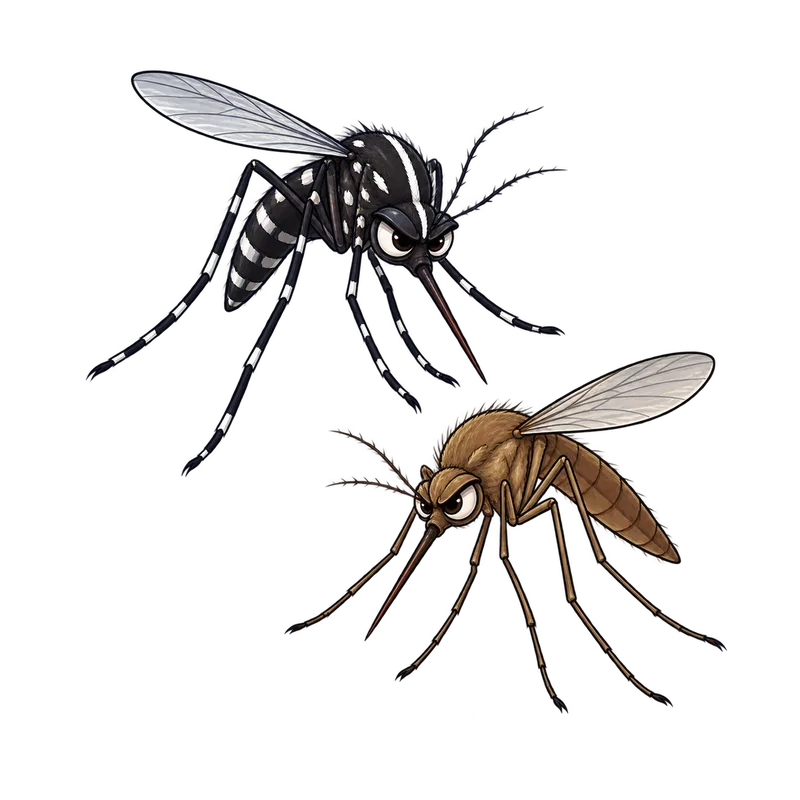
Mosquito eggs are found either floating directly on the surface of standing water as tiny rafts or glued individually to damp inner walls of containers just above the waterline. Where the eggs end up depends entirely on the specific mosquito species, with some preferring calm open pools and others targeting dry surfaces that will flood later.
What is actually going on
You walk out to the back patio on a quiet Tuesday evening, lift the plastic saucer sitting under your favorite potted fern, and notice a faint, shimmering twitch in the quarter-inch of leftover rainwater trapped inside. It looks like a gathering of tiny, wriggling comma marks. You might wonder how on earth a swarm of mosquitoes found that minuscule puddle so fast, or where they managed to leave their young before you even noticed a fly buzzing around your ankles. The short answer is that female mosquitoes do not just scatter their eggs blindly into the breeze. They track down specific water sources or damp margins with remarkable precision, but where those eggs end up depends entirely on what kind of mosquito you are dealing with.
Some species treat open water like a nursery floating dock, while others prefer dry real estate that they know will flood later. If you are looking at a permanent or semi-permanent pool of standing water, such as an unmaintained birdbath, a rain barrel, or a stagnant roadside ditch, the eggs are usually laid directly on the surface. These are typically house mosquitoes and their close relatives, and they glue their eggs together into tiny floating rafts that resemble specks of soot or pepper bobbing on the meniscus. From a distance, you would easily mistake the raft for floating debris or a bit of windblown dust.
Other common backyard invaders, including aggressive daytime biters like the Asian tiger mosquito, take a completely different approach. They bypass the open water entirely and cement their eggs individually onto damp inner walls of containers, tree holes, discarded tires, or flowerpot saucers just an inch or two above the current waterline. These eggs are built to withstand drought. They will sit quietly on dry plastic or clay surfaces for weeks or even months, waiting patiently for a summer thunderstorm or a careless pass with the garden hose to submerge them and trigger a hatch.
This separation of strategies explains why emptying a bucket once does not always solve the problem. If a container holds water for a week or more during warm weather, it can easily run a full cycle from a hidden egg to a flying adult. The female mosquito selects the site using chemical and physical cues, sensing humidity, organic matter, and the absence of rough wave action, which tells her that the upcoming generation of larvae will have a calm place to breathe air through their tails at the surface film.
Female mosquitoes require quiet water or saturated organic ground to lay their eggs and complete larval development. The exact spot they choose is governed by their specific biology, separating them into permanent water breeders and floodwater breeders. Permanent water species lay eggs right on the surface of calm ponds, lake edges, or unmanaged pools. Their eggs float naturally using surface tension. Floodwater species do the opposite. They target moist soil, receding mud banks, or the dry rims of containers just above the existing water line, relying on future rain to flood the area and stimulate hatching.
How to tell for sure
Spotting mosquito eggs in the wild takes a sharp eye and a bit of knowing what to look for, because nature hides them well. When you inspect a standing rain barrel or an old bucket left out by the shed, you will usually find floating egg rafts if the water has been sitting undisturbed for a few days. These rafts look like tiny, dark, oblong patches about the size of a grain of rice floating flat on the water. If you look at them closely, you can see individual vertical cylinders packed tightly side by side, numbering anywhere from 100 to 300 per raft.
If you are inspecting the damp inner rim of a planter saucer or an empty pet bowl that caught a recent shower, you will not see floating rafts at all. Instead, you usually find single, dark, microscopic eggs glued firmly to the sides just above the wet mark. They look like stray grains of dark sand or dirt smudges stuck to the plastic. If you try to rinse the container out with a quick splash of water and dump it without scrubbing the sides, those tiny glued eggs often stay put, ready to hatch the next time moisture returns.
People frequently confuse mosquito eggs with other aquatic or semi-aquatic insects. For instance, non-biting midges often deposit gelatinous, tangled masses of eggs on submerged vegetation or container walls, which look entirely different from the neat rafts of house mosquitoes. You might also spot large, leggy insects flying heavily around your garden lights and assume they are giant mosquitoes laying giant eggs. Those are almost always harmless crane flies. They do not bite, they do not feed on blood, and their larvae live in damp lawn soil rather than standing water.
What usually comes next
The most effective practical step you can take right now is to adopt a strict weekly routine of emptying, scrubbing, and resetting any container holding standing water around your property. Because the complete journey from a newly hatched egg to a flying adult mosquito can take as little as 7 to 10 days during warm summer weather, a weekly reset breaks the cycle before the next generation takes flight. Simply tipping the water out of a bucket is a good start, but remember those drought-resistant eggs stuck to the sides. Take a scrub brush or a rough sponge to the inner walls of birdbaths, pet dishes, and plant saucers every single time you empty them to physically dislodge any hidden eggs.
When to get help
There are times when a mosquito problem outgrows a weekend yard cleanup and requires outside intervention. If you live near large, inaccessible public water sources, unmaintained community retention basins, or neglected swimming pools on abandoned properties that continuously generate massive swarms, contact your local mosquito control district or a licensed pest management professional. Natural wetlands and public waterways are protected by environmental regulations, meaning property owners cannot alter them or apply treatments without proper authorization from local environmental agencies.
On the health side of things, consult a qualified medical clinician immediately if you develop systemic symptoms such as a high fever, severe headache, confusion, or a stiff neck in the weeks following heavy mosquito exposure. If anyone in your household experiences an accidental pesticide exposure or swallows a larvicide product, call poison control or emergency services right away.