
How do you prevent mosquitoes around a house?
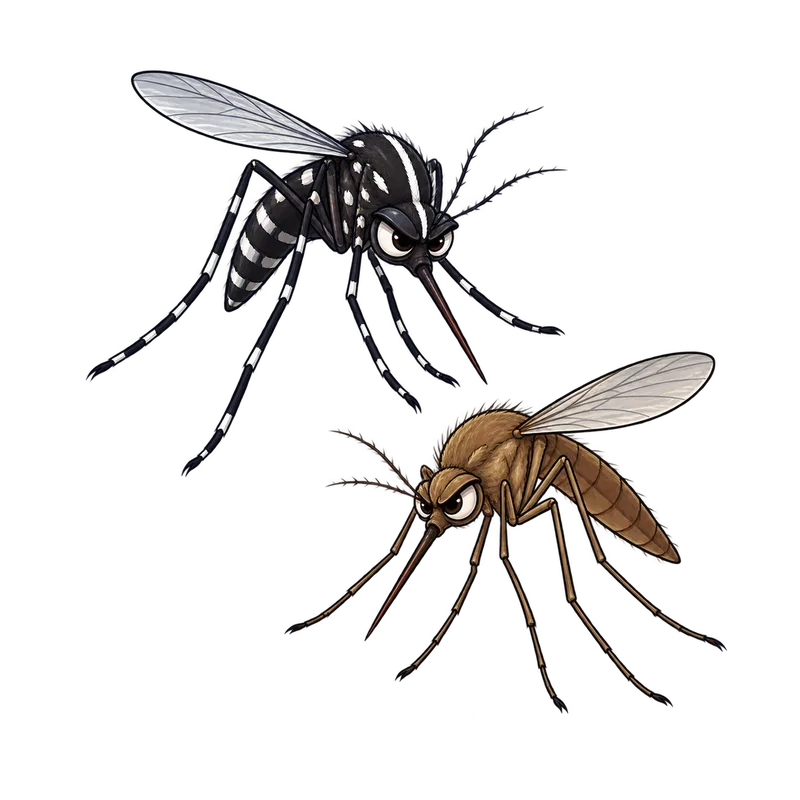
Preventing mosquitoes around a house requires a steady approach that stops them from breeding in standing water, blocks them from getting inside, and manages their shady daytime resting spots. You can cut off the population at the source by dumping any standing water once a week, since an egg can become a flying adult in just seven days.
What is actually going on
You walk out to the back patio on a quiet Tuesday evening with a glass of iced tea, ready to enjoy the sunset. Within thirty seconds, your ankles are under attack and you are swatting thin air. It feels like they materialized out of nowhere, but mosquitoes do not just appear. They have a routine, and chances are your yard is accommodating them better than you realize.
Preventing mosquitoes around a house is not about buying one magic gadget or spraying the whole lawn with a heavy chemical fog once a season. It requires a steady approach. You have to stop them from breeding where water pools, block them from getting inside your living spaces, and manage the shady spots where they hang out during the heat of the day.
The most important timeline to keep in mind is seven days. In the heat of summer, a mosquito can go from a tiny egg laid in water to a flying adult in just a week. That forgotten plastic toy bucket left in the grass or the saucer beneath a potted fern acts as a high-speed assembly line. If you break that cycle by dumping the water once a week, you cut off their population at the source before they ever take flight.
To understand why mosquitoes persist around human structures, look closely at how they grow and survive. Mosquitoes go through a complete life cycle featuring four distinct stages: egg, larva, pupa, and flying adult. Every single immature stage requires standing water to survive. Without moisture, the eggs of certain species may remain dormant in dry soil or container walls for years, waiting for the next heavy rain, while other species lay their eggs directly on the surface of stagnant water.
Once the eggs hatch, the wriggling larvae feed on microscopic organic debris in the water before transforming into non-feeding pupae. This entire aquatic phase happens fast in warm weather, taking roughly seven to ten days. Only adult females bite vertebrates because they require a blood protein meal to develop their eggs. Males spend their time quietly feeding on flower nectar and plant juices.
Adult mosquitoes also need specific environmental conditions to survive daylight hours. When the sun is high and hot, they avoid open, dry spaces. Instead, they seek out cool, dark, and humid microclimates where they can rest without drying out. Overgrown shrubs, tall turfgrass near foundations, and dense ornamental foliage serve as ideal daytime lounges. If you leave these areas unmanaged, you provide a sheltered staging ground right next to your patio.
How to tell for sure
People often assume every buzzing insect near the porch is a mosquito, but that mistake just wastes time on the wrong targets. True mosquitoes are a type of fly, and separating them from look-alikes helps you focus your energy where it actually counts. If a delicate bug with long dangling legs hovers around your porch, you are probably looking at a crane fly. Crane flies are completely harmless, do not bite, and frequently take the blame for being giant mosquitoes.
When you do have actual mosquitoes on your hands, you are usually dealing with a few specific types based on where you live. Container breeders like the Asian tiger mosquito feature a dark black body with sharp white stripes, and they tend to attack aggressively in broad daylight. Other common urban varieties prefer to feed from dusk until dawn, staying hidden in cool, damp hiding spots while the sun is up.
You might also notice tiny, fuzzy moth-like flies near bathroom drains or non-biting midges swarming around porch lights. Neither of those insects bites people, though they can certainly become an indoor nuisance. If the bug possesses a piercing mouthpart, feeds on blood, and emerges from stagnant water in your yard, you are dealing with the real thing.
What usually comes next
Once you accept that standing water is the core of their entire life cycle, your smartest move is to stop viewing yard work as a cosmetic chore and start treating it as plumbing maintenance. Walk your property once a week with a sharp eye for trouble. Tip over every wheelbarrow, check the roof gutters for trapped leaf sludge, scrub out birdbaths, and toss out old tires or random containers collecting rainwater.
For water features you cannot drain, like an ornamental garden pond or a rain barrel used for your vegetables, you need a biological control instead of guesswork. Dropping in a bacterial larvicide using targeted biological agents, typically sold as floating rings, kills mosquito larvae directly without harming the birds, fish, or pets that drink from the water.
You will also hear plenty of claims about electronic bug zappers, ultrasonic wristbands, and potted mint plants keeping bugs away. Skip them, because tests show they do not stop mosquito bites. Focus your efforts instead on sealing your doors and windows with fine mesh screens, keeping your bushes trimmed so mosquitoes lose their cool daytime resting spots, and using registered skin repellents when you sit outside.
When to get help
There are moments when a backyard battle goes beyond what you can handle with a weekly walk and a can of bug spray. If you live near an expansive public wetland, an unmanaged drainage ditch, or a storm sewer system that constantly breeds massive swarms, individual yard work will not cut it. In those cases, you should contact your local vector control agency so municipal teams can treat the larger breeding zones.
If your property borders dense, overgrown woods where adult mosquitoes gather in thick brush beyond your fence line, hiring a licensed pest control professional to apply targeted barrier treatments to resting foliage can provide real relief.
On the health front, mosquitoes are more than just an itchy annoyance. If you or a family member develops a high fever, severe headache, confusion, neck stiffness, or extreme fatigue a few days after taking bites, contact a clinician or seek medical evaluation promptly, especially during peak virus season. Pet owners also need to stay vigilant, making sure dogs are tested by a veterinarian before starting heartworm preventative medication, because mosquitoes transmit heartworms that can prove fatal to unprotected animals.