
How do you get rid of mosquitoes in your yard?
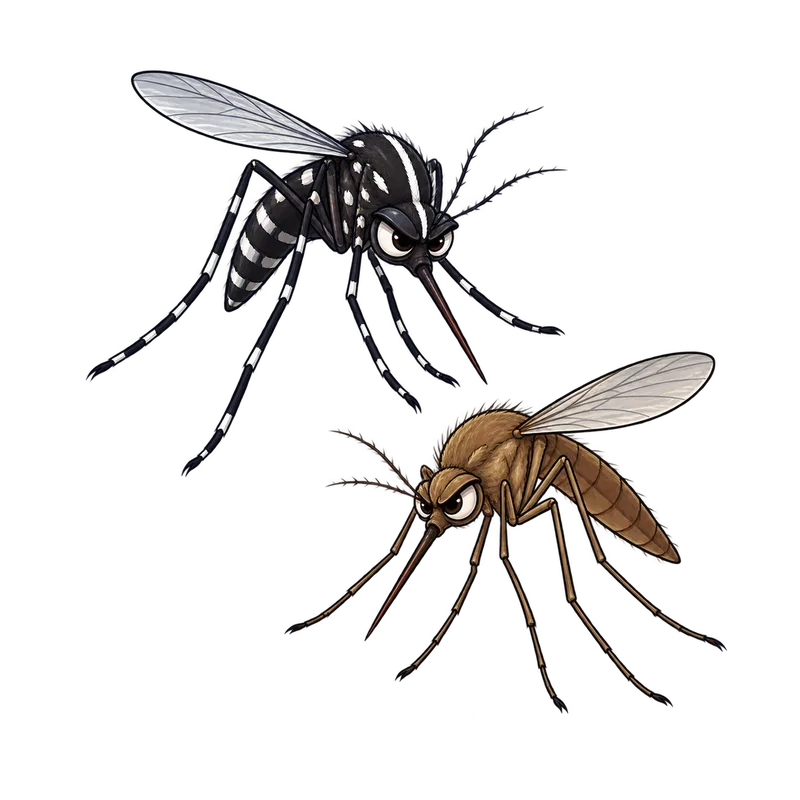
To get rid of mosquitoes in your yard, you must break their life cycle by combining weekly source reduction with biological controls for standing water. From egg to flying adult can take as little as five to seven days, so draining water holding receptacles is essential. Permanent relief depends on whether your yard borders a massive swamp or a municipal drainage ditch.
What is actually going on
You step onto the back patio with a fresh cup of coffee, intending to enjoy a quiet morning in the garden, but within thirty seconds you are swatting away a small cloud of biting insects near your ankles. It is a frustratingly familiar script. The default reaction is usually to grab a can of bug spray or wonder if a bug zapper might finally turn the tide, but those quick fixes miss the entire point of how these insects actually take over a yard. To get rid of them for good, you have to stop looking at the flying adults as the main problem and start looking at where they are growing up.
Eliminating mosquitoes requires an approach called integrated pest management, which is just a structured way of saying you need to break their life cycle rather than just chasing them around with an aerosol can. Every single mosquito starts as an egg laid in standing water, turning into an aquatic larva that breathes through a small tube at the surface. In the warmth of summer, that aquatic phase moves fast. From a tiny egg to a flying, biting adult can take as little as five to seven days. That means any small dish, clogged gutter, or unmaintained birdbath holding rainwater is acting like a tiny incubator on a strict ticking clock.
If you only spray the adults resting in your shrubs today, new ones will hatch out of your neighbor's forgotten bucket or your own unemptied plant saucers tomorrow. Permanent relief comes from combining weekly source reduction, which means draining or turning over water holding receptacles, with biological controls for water you cannot drain. Treating non-drainable features like rain barrels or ornamental ponds with biological larvicides stops the wrigglers before they ever sprout wings. Once you cut off their ability to breed on your property, the biting pressure drops sharply because local mosquitoes usually do not travel far from where they hatched.
Before you start pouring expensive chemicals or biological dunks into your yard, you have to make sure you are actually fighting mosquitoes and not some entirely harmless look-alike crashing your outdoor space. In the spring and early summer, homeowners usually panic when they see giant insects with long, spindly legs hovering around exterior walls or lawn turf. Those are typically crane flies, often mistaken for giant mosquitoes because of their size. They are completely harmless, do not bite, and lack the mouthparts to feed on blood. If the insect is over an inch long with fragile legs that break off if you touch them, you can leave it alone.
When you are dealing with actual mosquitoes, behavior and physical traits usually give them away. You are usually dealing with one of three main groups depending on the time of day and your local climate. Culex mosquitoes are nocturnal or dusk-and-dawn feeders that lay floating rafts of eggs in stagnant water and rest with their bodies parallel to surfaces, and they are usually the primary carriers of West Nile virus. Aedes mosquitoes, such as the distinctively striped Asian Tiger mosquito, are aggressive daytime biters that love artificial containers like old tires and flower pots. Anopheles mosquitoes are nocturnal biters that usually rest at a distinct forty-five-degree angle to a surface.
You also want to watch out for tiny biting midges, often called no-see-ums, which are microscopic flies that can slip right through standard window screens and leave intensely itchy welts. They are not mosquitoes, and they require different screening strategies to keep out. If you are not sure what is biting you, look closer at the resting posture or the time of day they appear. Correct identification keeps you from wasting time and money on treatments designed for the wrong pest.
How to tell for sure
Now that you know what you are looking at and where they come from, you have to make one central operational decision. Do you focus your time and money on eliminating the breeding sources to stop new generations from hatching, or do you rely on barrier sprays and personal repellents to keep the current adults from biting you while you sit outside? While it is tempting to pick just the quick spray option because it offers immediate relief, choosing chemical adulticiding without source reduction is like trying to bail out a sinking boat with a spoon while leaving the garden hose running inside.
The most sensible path is to prioritize source reduction as your permanent baseline while reserving chemical applications for specific events or severe infestations. Walk your property once a week and tip out every drop of standing water you find, scrub birdbaths, and clear leaves out of your rain gutters so they do not turn into exclusive rooftop pools for larvae. If you have permanent water features that you cannot drain, treat them with biological products containing a natural soil bacterium that kills mosquito larvae without harming birds, pets, or fish.
Once your breeding sources are locked down, you can decide whether you need a temporary barrier spray around your patio or personal skin repellent for an evening barbecue. Just remember that barrier sprays degrade in the sun and rain, meaning they are a temporary shield rather than a permanent cure. If your yard backs up against a massive swamp or a municipal drainage ditch, your decision will shift entirely toward personal protection and home screening because you cannot drain off-site wetlands on your own.
What usually comes next
There are moments when a backyard mosquito problem goes beyond what you can handle with weekly yard audits and store-bought biological dunks, and you need to know when to hand the problem over to someone else. If your property borders a large, unmanaged wetland, a neglected agricultural field, or a public drainage system that constantly floods your yard with biting insects, domestic source reduction will only make a small dent in the population. In those situations, you need to contact your local mosquito control district or municipal health department, as they handle broad regional surveillance and vector control that single homeowners cannot reach.
You should also involve a licensed pest control professional if you are dealing with structural voids, complex landscape configurations, or extensive property boundaries that require high-pressure commercial equipment to apply barrier treatments safely and effectively. Professionals know how to treat shaded resting sites under dense foliage without accidentally drifting chemicals into fish ponds, vegetable gardens, or flowering plants where honeybees and wild pollinators forage.
When to get help
On the health side, mosquito bites are normally just an irritating nuisance, but they can occasionally carry serious pathogens like West Nile virus or other arboviruses. If anyone in your household suffers severe systemic reactions, widespread swelling, difficulty breathing, dizziness, or a sudden high fever following insect bites, you must seek medical attention immediately from a clinician, an urgent care facility, or poison control. Persistent scratching of bite welts can also break the skin and introduce secondary bacterial infections that require professional medical treatment.