
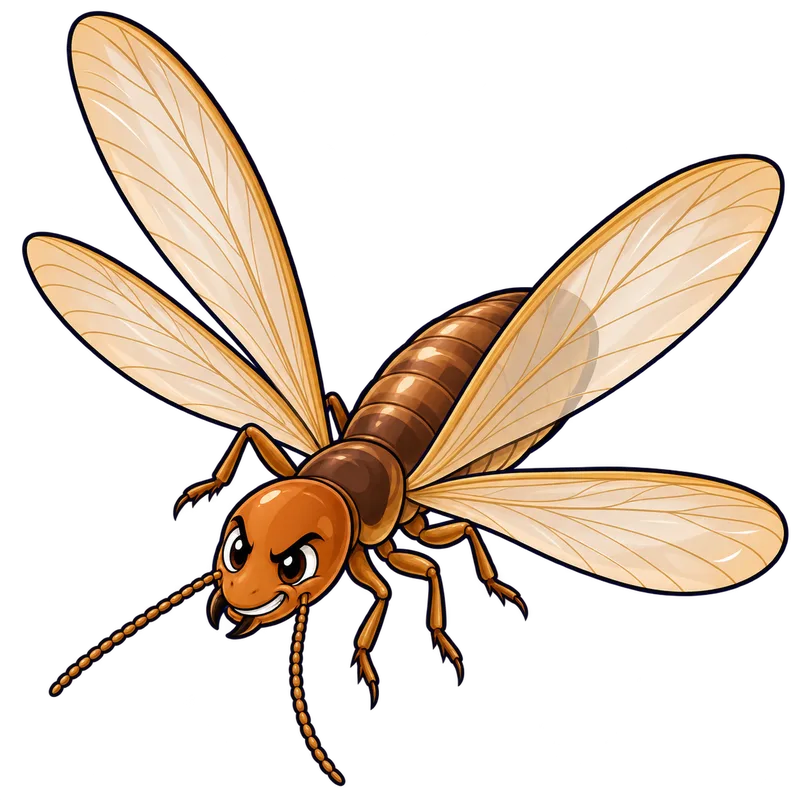
Pacific dampwood termite
Zootermopsis angusticollis
- Size
- Alates up to 25 mm, soldiers 15 to 20 mm
- Color
- Cinnamon-brown alates, two-toned soldier heads
- Habitat
- High-moisture structural wood and forest logs
- Diet
- Cellulose from damp and decaying timber
- Life cycle
- Hemimetabolous development via nymphal instars
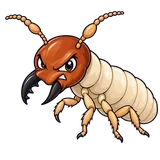
The Pacific dampwood termite is the undisputed giant of North American termites. Reaching up to 25 mm in total length including its long, leathery wings, an individual alate is roughly twice the size of the subterranean and drywood pests homeowners usually encounter. The field marks depend entirely on which life stage you happen to find in the wood. Soldiers present an unmistakable, two-toned head capsule, featuring a black front near the powerful, toothed mandibles that abruptly transitions to a reddish-brown base.
Identity
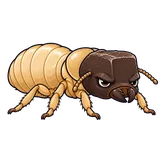
Nymphs and false workers remain pale and cream-colored, with a translucent abdominal wall that exposes their dark, wood-filled gut contents. Fecal pellets measure about 1 mm long and look like tiny footballs marked with six faint hexagonal facets. Unlike drywood termite droppings, these pellets lack distinct longitudinal ridges. In soaked, weeping timber, those pellets absorb moisture and dissolve into a muddy paste rather than accumulating in neat piles.
Habitat & behaviour
Moisture rules the existence of this insect. They require damp wood to survive, but contrary to common belief, they do not need contact with the soil. An active colony can thrive inside structural framing on the fifth floor of a building if a chronic roof leak or plumbing failure keeps the lumber wet enough. Natural settings include fallen logs and damp stumps in coastal forests, while urban settings bring them into crawl spaces, poorly ventilated decks, and wood retaining walls.
They never build mud shelter tubes over foundations, which often fools homeowners into thinking timber is safe because no earthen tunnels are visible on the concrete. When a gallery wall breaks open, soldiers do not flee. Instead, they lunge forward with their black mandibles and bang their heavy heads rhythmically against the wood. That acoustic drumbeat travels through the timber, and nestmates feel the vibrations through their legs, instantly triggering a colony-wide retreat into the darkness of the tunnels.
Visual variations
Colony labor falls entirely on immatures and nymphs, often called false workers, because this lower termite lacks a true, permanent worker caste. These versatile youngsters handle foraging, tunnel excavation, and brood care while keeping the ability to molt into soldiers or backup reproductives whenever the colony needs a shift in personnel.
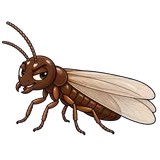
Alates act as the primary founders, sporting compound eyes and cinnamon-brown to chestnut bodies. Once they finish their evening swarming flight on warm, humid late-summer and autumn nights, they drop their wings along neat break lines and seal themselves away in a new nest chamber. Soldiers develop sterile, wingless bodies dominated by heavy, two-toned heads and crushing jaws, while supplementary backup reproductives quietly step in to lay eggs if the original king or queen dies off.
Why it matters
Finding these insects means structural lumber is holding enough water to support fungal decay along with a hungry colony of up to 4,000 individuals. Because the termites are large and eat timber quickly, an untreated infestation can seriously weaken load-bearing beams and framing. They also carry wood-decaying fungi through their tunnels, which speeds up structural damage.
They pose zero health risk to people or pets. They do not bite, sting, or carry diseases, and they completely ignore living garden plants. When you suspect activity in structural timber, getting a definite species identification requires a professional to examine intact soldier or winged specimens, and any structural repairs or pesticide applications must be left to licensed operators working strictly by the product label.
Similar species
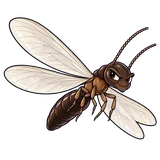 Eastern subterranean termiteReticulitermes flavipes
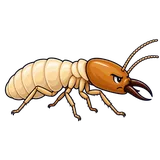 Western subterranean termiteReticulitermes hesperus
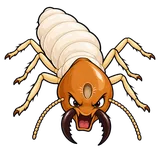 Formosan subterranean termiteCoptotermes formosanus
 Asian subterranean termiteCoptotermes gestroi
 Western drywood termiteIncisitermes minor
 West Indian drywood termiteCryptotermes brevis