
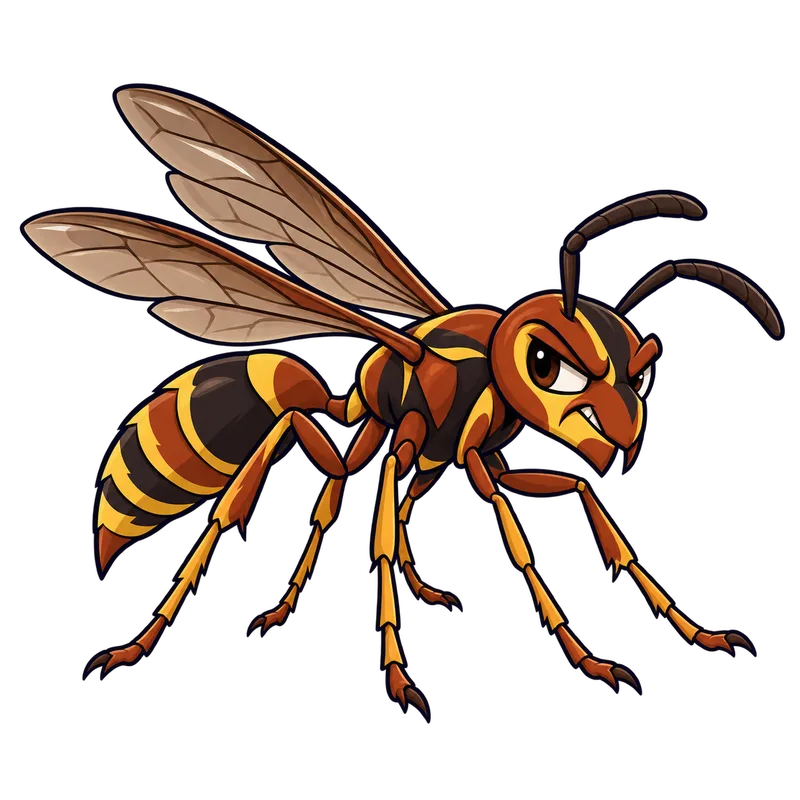
Paper wasps
Polistes species
- Size
- About .75 inches long
- Color
- Brownish with variable yellow, red, or black patterns
- Habitat
- Sheltered eaves, porch ceilings, tree branches, and structural overhangs
- Diet
- Plant nectar and sap for adults, soft-bodied insect caterpillars for larvae
- Life cycle
- Annual colonies starting with overwintering queens in spring and peaking in late summer
Paper wasps are slender, social stinging insects in the genus Polistes that build open paper nests under eaves, deck railings, and roof overhangs across North America. When you spot one hovering around your porch, you are looking at a creature measuring about .75 inches in length, featuring a brownish body marked with subtle hints of yellow, red, or black.
Identity
The most reliable field mark is not the color, which varies wildly across species, but the silhouette. Paper wasps possess a distinct, narrow waist that separates the middle body segment from the abdomen. More than that, their exceptionally long hind legs dangle loosely and conspicuously below them while they fly, giving them a distinctly gangly, unhurried appearance in the air.
Habitat & behaviour
Finding a paper wasp usually involves looking up. They prefer dry, elevated niches protected from wind and driving rain. Natural habitats include horizontal tree branches and rock crevices, but human architecture offers a luxury resort of porch ceilings, window frames, outdoor light fixtures, and fence rails.
The nest itself is a dead giveaway. Unlike the massive, football-shaped, enclosed nests built by hornets, a paper wasp nest looks like a small, gray, open-faced paper umbrella hanging from a single central stalk. Completed combs typically measure between 3 and 10 inches across.
While foraging in the garden for nectar or hunting caterpillars, these wasps are remarkably shy and non-aggressive. They will generally ignore you entirely unless you accidentally bump into the nest or try to swat them. When the colony feels threatened, however, the guards will raise their wings in an alert posture and defend their home fiercely.
Visual variations
Paper wasps live in annual colonies with a strict, caste-based social hierarchy that shifts their responsibilities and appearance throughout the seasons.
The story begins in early spring with the foundress, a mated queen that survived the winter in a protected crack or tree bark. She is larger and heavier because she carries the future of a new colony inside her. Once she builds the first few hexagonal paper cells and rears her first brood, the physical labor shifts to the workers.
Workers are sterile or non-reproductive females emerging in late spring. They are smaller, tireless, and handle all the foraging, nest expansion, and larval feeding while the queen stays home to lay eggs. By late summer, the colony shifts gears to produce reproductives, which are new males and future queens. Males are easy to tell apart by their longer antennae and the absence of a stinger, which in females is a modified egg-laying structure.
Why it matters
Having a paper wasp nest near your front door or children's play area creates an obvious stinging hazard. Their smooth stingers can deliver repetitive, painful injections of venom that cause localized swelling and sharp pain. For most people, this is a temporary nuisance, but for anyone with a severe insect allergy, a single sting can trigger dangerous systemic reactions requiring emergency medical care.
At the same time, viewing them purely as a pest misses their ecological contribution. Paper wasps are relentless natural predators that hunt garden pests like caterpillars, beetle larvae, and flies, bringing them back to feed their growing larvae. If a nest is tucked safely away in a far corner of the yard where nobody walks, leaving it alone gives you free, efficient pest control for your vegetables and flowers. When a nest sits directly over a high-traffic entry point, or if someone in your household suffers from severe allergies, professional pest control guidance is the safest route.
Similar species
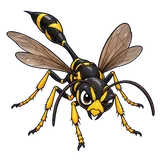 Mud daubersSceliphron and Chalybion species
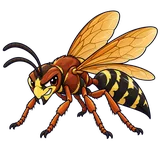 Eastern cicada killerSphecius speciosus
 Blue mud dauberChalybion californicum
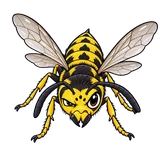 German yellowjacketVespula germanica
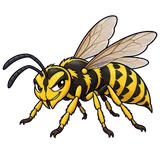 Eastern yellowjacketVespula maculifrons
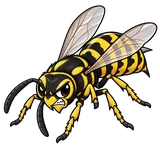 Western yellowjacketVespula pensylvanica