
What is a European paper wasp sting?
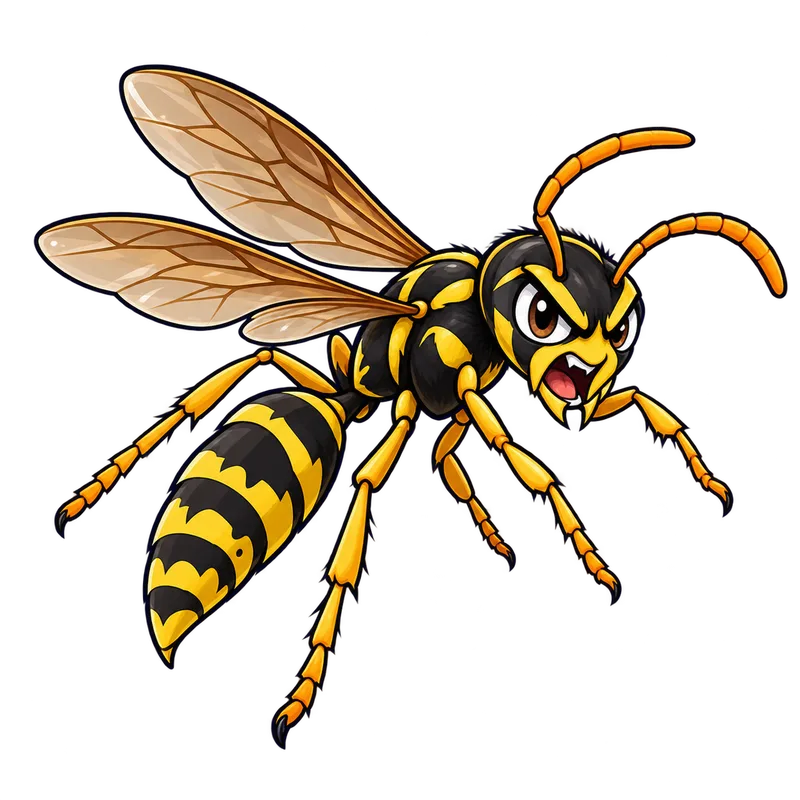
A European paper wasp sting is a localized venom injection delivered when a female wasp uses her smooth, unbarbed stinger to pierce your skin. This defensive strike causes a sharp burning pain that typically lasts fifteen to twenty minutes, leaving behind a red and swollen welt that usually fades within a couple of days.
What is actually going on
Picture yourself standing on the back porch on a warm August afternoon. You reach up to grab the garden hose hanging beneath the eaves, and suddenly a sharp, burning pain hits the back of your hand. You pull back quickly, shaking your hand, and watch a slender insect with long legs dangling in flight drift away from a small, upside-down paper nest tucked against the roofline. You have just experienced a European paper wasp sting.
To put it plainly, a European paper wasp sting is a localized venom injection. A female wasp introduces venom into your skin using her stinger. Paper wasps belong to a group of insects that build open, single-layered paper combs shaped like little umbrella discs. When you accidentally touch, compress, or brush against one of these insects, or get too close to their nest during peak summer activity, they defend themselves by stinging.
Unlike a honeybee, which leaves its barbed stinger anchored in your flesh along with its venom sac, a paper wasp possesses a smooth, unbarbed stinger. Think of a honeybee stinger as a barbed hook that tears away from the insect upon impact, resulting in a single defensive strike that costs the bee its life. A paper wasp stinger acts more like a polished needle. It slides in and out effortlessly, which means a single female wasp can retract the apparatus and strike you multiple times in rapid succession if she feels threatened.
Once that smooth stinger penetrates your skin, it delivers a cocktail of proteins, enzymes, and amines. This mixture fires up your nerve endings right away, causing that familiar sharp, burning pain that usually lingers for fifteen to twenty minutes. Local blood vessels dilate, leading to redness and swelling around the puncture site. For the vast majority of healthy adults, this reaction stays right where it happened and fades away within a couple of days.
How to tell for sure
If you are trying to figure out what just happened to your skin, you usually cannot rely on the appearance of the wound alone. An isolated red welt, a small bump, or an angry sore on your arm does not come with a neat little label attached to it. Skin reactions to wasp stings, mosquito bites, spider bites, and early bacterial infections often look remarkably similar. A photograph or a simple description of a red mark is rarely enough for a reliable diagnosis, and many unexplained skin lesions are actually misdiagnosed bacterial infections rather than insect injuries.
To know for sure that you are dealing with a paper wasp sting, you usually need to have seen the insect in the act or captured the physical specimen. If you spotted the culprit before or right after the incident, certain clues give it away. European paper wasps measure about three-quarters of an inch long, with slender bodies, a distinct narrow waist separating the thorax and abdomen, and long legs that characteristically dangle beneath them during flight like landing gear on a helicopter.
You can also look at the nest nearby to narrow down the suspect. Paper wasps build small, open, umbrella-shaped combs where every hexagonal cell is completely visible from underneath. If you see a massive, fully enclosed gray paper globe hanging from a tree branch or tucked inside a wall void, you are looking at yellowjackets or hornets rather than a paper wasp colony.
What usually comes next
When the burning pain settles down and you are left staring at a red, swollen spot on your skin, you have to make one practical decision about immediate care. For a normal local reaction, your best move is straightforward first aid. Wash the sting site thoroughly with soap and clean water to wash away any lingering bacteria or surface venom. Apply a cold pack wrapped in a cloth for ten to fifteen minutes at a time to bring down the swelling and numb the local pain.
If the sting happened on your hand, arm, or leg, elevating that limb to heart level helps minimize fluid accumulation and keeps the throbbing in check. Over-the-counter pain relievers or oral antihistamines can take the edge off the remaining discomfort if you need them. Never listen to old wives' tales that tell you to cut the skin, burn the wound, or suck the venom out with your mouth. Those methods only cause secondary tissue damage and introduce more germs.
You should also check your tetanus booster status. Any puncture wound acquired outdoors carries a risk of tetanus bacteria entering the skin, so a booster is generally recommended if it has been more than ten years since your last shot, or five years if the wound was particularly contaminated. Finally, remember that if you find a wasp hanging around a piece of clothing or a tool you left in the shed, gently brush it away instead of swatting or crushing it against your skin, which practically guarantees a defensive sting.
When to get help
While most paper wasp stings are merely an unpleasant nuisance that clears up on its own, certain situations demand immediate professional attention. You must call nine-one-one or head to the nearest emergency room right away if you notice any signs of a severe systemic allergic reaction. Watch for difficulty breathing, wheezing, shortness of breath, swelling of the face, lips, tongue, or throat, dizziness, lightheadedness, confusion, or a widespread rash and hives appearing far away from the sting site.
Disturbing a hidden nest can also lead to a mass attack where multiple wasps deliver a heavy cumulative venom load, which warrants urgent medical evaluation. Likewise, keep a close eye on the sting site over the next twenty-four to forty-eight hours. If the redness starts spreading rapidly in purplish margins, the pain turns into a severe throbbing, or you notice pus, drainage, and a persistent fever, you might be dealing with a secondary bacterial infection that requires a clinician's care.
For non-emergency questions regarding stings or potential exposures, you can reach out to the national Poison Control Helpline. When eliminating nests around your home, do not attempt to spray or tear down large, hard-to-reach colonies on your own. Professional pest control operators possess the proper protective gear and structural equipment to handle nest eradication safely.