
What happens after a yellow-legged hornet sting?
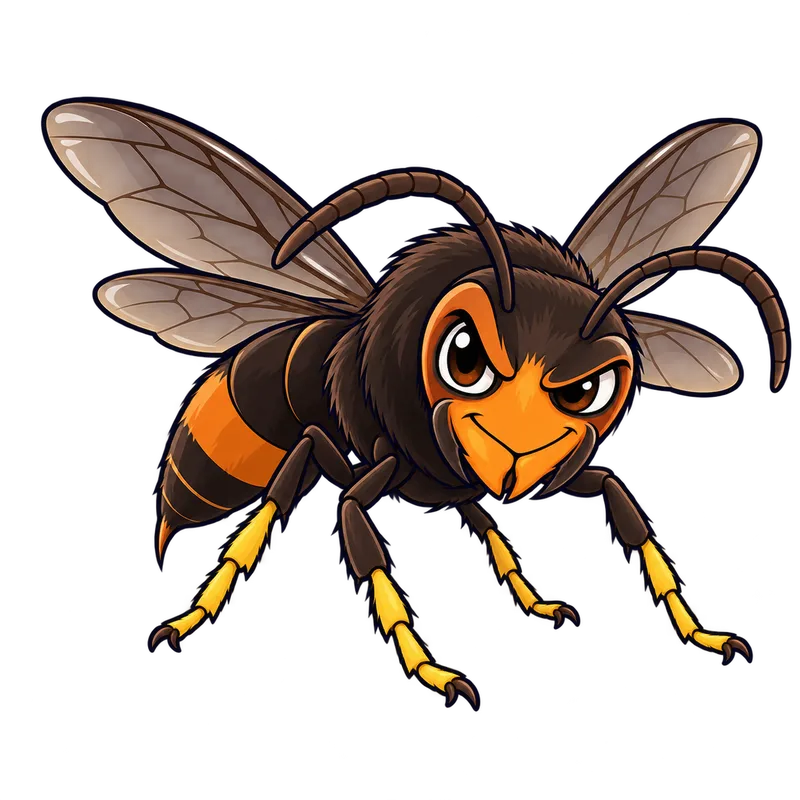
A yellow-legged hornet sting causes an immediate red welt, acute pain, and swelling that peaks within a few hours and slowly fades over a couple of days. For most people without allergies, the reaction stays local and improves with basic first aid. If the immune system overreacts, a single sting can trigger a full body allergic emergency.
What is actually going on
Picture yourself out in the garden on a warm Tuesday morning, reaching out to deadhead the hydrangeas, when a sudden sharp burn hits the back of your hand. You pull back fast, shaking your hand, and watch a large dark insect drift away toward the property line. Within minutes, the skin around the puncture swells into a hard, angry red welt that throbs in time with your pulse. You are likely wondering just what kind of trouble you have stepped into and whether this particular sting packs more of a wallop than your standard backyard yellowjacket encounter.
When a yellow-legged hornet delivers a sting, it injects a complex chemical cocktail straight into your skin tissue. This venom contains proteins and enzymes specifically designed to trigger intense local pain and break down cell membranes. Unlike honeybees, which leave their barbed stingers behind and perish after a single defensive act, hornets come equipped with smooth needles. That means an individual worker can sting you repeatedly without missing a beat, using its venom glands for colony defense or to subdue prey.
For most people who are not allergic, the immediate aftermath involves acute pain, localized swelling, and redness that peaks within a few hours and slowly fades over a couple of days. You might feel a deep, burning ache right at the site, accompanied by a firm welt that feels hot to the touch. It is an entirely local inflammatory reaction. The body rushes blood and white cells to the area to fight off the perceived threat, which explains the puffiness and warmth.
The real worry begins if your immune system happens to overreact to those venom proteins. In sensitized individuals, a single sting can bypass the local welt stage altogether and trigger a full-body hypersensitivity emergency where airways can constrict, blood pressure drops, and dizziness sets in. While routine stings are mostly a matter of enduring a few days of stubborn swelling, knowing how your body responds in those first ten minutes makes all the difference.
How to tell for sure
People often assume they can name the culprit just by looking at the mark on their skin, but a red welt is a red welt. A sting site alone will not tell you whether you crossed paths with a paper wasp, a yellowjacket, or an invasive hornet. To know for sure what tagged you, you usually need to look at the insect itself, preferably from a safe distance before it decides to come back for round two.
The yellow-legged hornet has a few unmistakable field marks that usually set it apart from native look-alikes like the European hornet. Workers usually measure between 0.7 and 1.0 inch long, giving them a substantial presence in the garden. The most reliable diagnostic feature is on their legs, where the lower segments look bright, striking yellow, as if the insect is wearing high-visibility socks. The rest of its body is predominantly velvety dark brown or black, set off by a single prominent orange or yellow band across the fourth segment of the abdomen.
You might wonder how this differs from the northern giant hornet, which made headlines before federal agricultural officials declared it eradicated. That other species is much larger, measuring up to 2.0 inches long, and belongs to a completely different branch of the wasp family tree. Meanwhile, the European hornet is already established across the eastern states, measures up to 1.4 inches, and loves to crash porch lights after dark. If the insect you spot has those bright yellow feet and an otherwise dark body, you are usually looking at the yellow-legged hornet.
Do keep in mind that official state and federal agriculture departments will never confirm an invasive hornet sighting based on a description of a sting or a blurry memory. They usually require a clear digital photograph or a physical specimen before they can deploy field teams or launch nest removal efforts.
What usually comes next
Once you have washed the sting site with soap and water, applied a cold pack to take down the swelling, and perhaps taken an over-the-counter pain reliever for the ache, your next big decision involves what to do about the nest. If you happen to spot a large paper structure hanging in a tree or tucked under an eave, your first instinct might be to grab a can of aerosol spray from the hardware store. Resist that urge entirely.
Attempting DIY nest removal for this species is a fast track to disaster. Yellow-legged hornets build massive colonies, and disturbing a nest triggers a coordinated, highly aggressive defense response that can subject you to dozens of stings at once. Those nests start out small in the spring, roughly the size of a golf ball, but by late summer, secondary treetop nests can grow as large as a beach ball and house up to 6,000 workers.
Instead of playing exterminator, your practical move is to snap a photograph from a safe distance and report the sighting to your state agricultural extension or department of agriculture online portal. State agencies actively track these populations through traps and citizen reports, and trained professionals with specialized protective gear handle the eradication work. Letting the experts deal with the colony keeps you out of harm's way and helps local agriculture officials keep tabs on an invasive pest before it spreads further.
When to get help
Most stings can be managed at home with basic first aid and a little patience, but certain signs demand immediate medical attention. Call emergency services right away if the person who was stung begins showing symptoms of a systemic allergic reaction. Red flags include difficulty breathing, wheezing, throat tightness, swelling of the lips or tongue, dizziness, or widespread hives breaking out far away from the sting site.
If you have a documented history of severe insect sting allergies, you should always carry an epinephrine auto-injector when you are working outdoors. For general questions about sting management or non-emergency guidance, you can reach out to your local poison control center or a clinician.
On the environmental side, if you notice a steady stream of dark hornets with bright yellow feet hovering outside beehives to snatch honeybees out of the air, or if you spot a suspect paper nest on your property, leave it alone. Reach out to your state department of agriculture or plant industry division to report the location with a clear photo.