
Wasp vs hornet sting: is there a reliable difference?
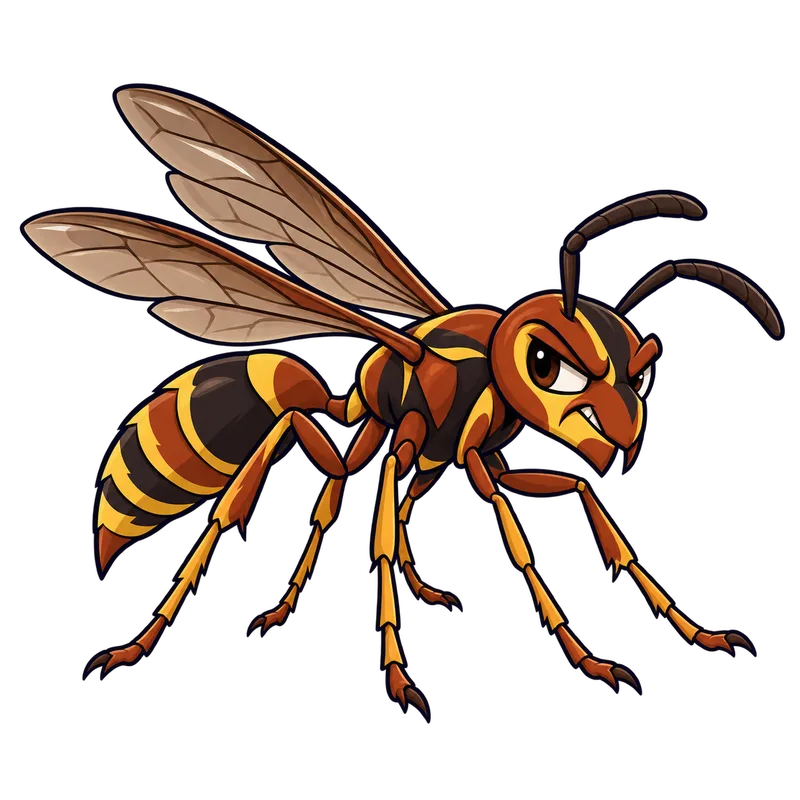
From a medical standpoint, there is no reliable difference between a wasp sting and a hornet sting. Every hornet is a specialized type of social wasp, and both creatures carry venom made from a very similar mix of proteins and peptides that causes an identical tissue reaction.
What is actually going on
You are standing on the back deck with a cold drink in hand, and suddenly a sharp, burning pain hits your thumb. You swat the air, catch a glimpse of a large, striped insect making its escape, and immediately start wondering what kind of beast just got you. Was it a common wasp, or did a hornet decide to move into the neighborhood? People love to debate the scale of the misery, usually arguing that a hornet packs a much heavier wallop than a standard yellowjacket or paper wasp.
The short answer is that from a medical and physical standpoint, there is no reliable difference between a wasp sting and a hornet sting. Entomologically speaking, every hornet is actually just a specialized type of social wasp anyway. Both creatures belong to the family Vespidae, and both carry venom made from a very similar mix of proteins and peptides. When one of them stabs you, the local tissue reaction is practically identical.
You get the same sharp spike of pain that lasts for ten or twenty minutes, followed by a warm, itchy red welt. Neither insect leaves a barbed stinger behind like a honey bee does, which means both hornets and wasps can hit you multiple times if they are angry enough. The severity of the reaction has almost nothing to do with whether the bug was called a hornet or a wasp, and almost everything to do with your own body and its unique immune sensitivity.
How to tell for sure
If you are trying to figure out what tagged you based entirely on the way your skin looks ten minutes later, you are usually out of luck. Dermatological reactions to insect stings are notoriously non-specific. A red welt or a swollen patch on your forearm cannot tell a doctor whether a paper wasp, a yellowjacket, or a European hornet did the deed. In fact, people frequently mistake normal sting reactions or even skin infections for mysterious insect attacks.
To know for sure what you are dealing with, you usually have to look at the insect itself rather than the mark it left. Size and color banding are your best clues, though they usually require a careful look from a safe distance. Small, hairless insects with bold yellow and black stripes are usually yellowjackets nesting underground or inside wall voids. Slender bugs with a pinched waist and long legs dangling as they fly are usually paper wasps building those open, umbrella-shaped paper combs under your porch eaves.
True hornets are generally larger and chunkier. The European hornet found across the eastern states has a reddish-brown head and a yellow abdomen marked with black teardrops, and it is weirdly active around porch lights at night. Invasive species like the yellow-legged hornet have dark bodies with bright yellow tips on their legs, making them look like they are wearing tiny socks. If you are trying to separate these lookalikes, you usually need a clear photograph or a physical specimen, and sometimes even a magnifying glass to check the fine details.
What usually comes next
Once you get past the initial shock and make sure you are not headed into a full-scale allergic reaction, basic first aid is your best friend. Wash the spot carefully with soap and water to clear away any surface residue, then slap an ice pack or a cold, wet cloth on it for ten to fifteen minutes to calm the swelling. Keeping that arm or leg propped up on a cushion can also keep the throbbing from getting out of hand.
If the soreness and itching stick around for a while, a standard pain reliever from the medicine cabinet or some anti-itch cream usually settles things down. Skip the old wives' tales about slicing the skin, squeezing the welt, or buying little suction gadgets from the store, because those tricks do not stop the venom and they tend to leave you with extra bruising or a nice little infection.
If you happen to find a nest right by the back door or near the kids' play area, you have to decide whether to bring in outside help. Trying to empty a hardware store aerosol can into a thriving colony of social wasps or hornets is a great way to anger a few thousand stinging machines. Professional pest control technicians have the heavy-duty suits and proper tools to deal with the colony without turning your backyard into a war zone.
When to get help
Even though most stings are just a temporary annoyance, some red-flag situations demand a trip to the doctor or an emergency call. Dial emergency services immediately if the person who got tagged starts having trouble breathing or swallowing, feels tightness in the chest, gets a swollen tongue or throat, feels dizzy, or breaks out in hives all over their body. Anyone who already carries an epinephrine autoinjector for known allergies should use it right away and head for the hospital.
You ought to check in with a healthcare provider if the local swelling keeps getting bigger after a full day, if you spot red streaks creeping out from the sting site or pus forming underneath, or if you cannot remember the last time you had a tetanus shot.
From a broader ecological view, local rules sometimes require you to play detective. If you are in a region keeping tabs on invasive arrivals like the yellow-legged hornet, spotting a strange insect or a massive, paper-maché nest hanging in a tree means you need to call your state agricultural department. Snap a safe picture if you can, report the sighting to the local extension office, and let the professionals handle the eradication.