
Can a yellow jacket sting more than once?
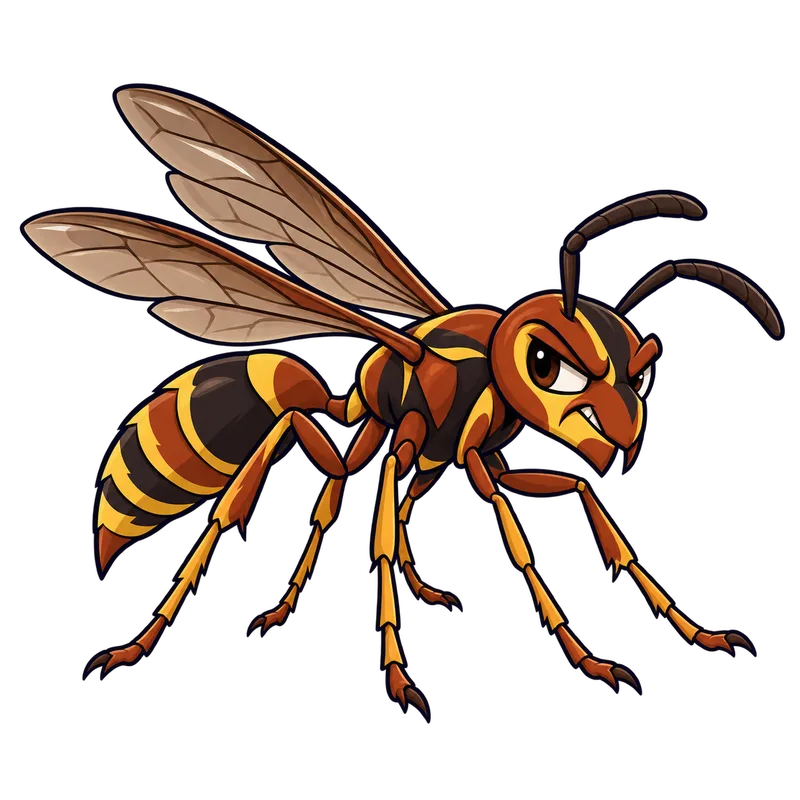
Yes, a yellow jacket can sting more than once. Unlike honeybees, yellow jackets carry a smooth stinger that slides in and pulls right out without breaking. They will deliver repeated stings if you get too close to their nest and trigger an alarm pheromone.
What is actually going on
You are sitting on the back patio with a cold soda on a warm August afternoon, and suddenly a bold, black-and-yellow visitor lands right on the rim of your can. You swat at it instinctively, hoping it misses your knuckle, and you start wondering if you need to brace yourself for a second hit if it circles back. The short answer is yes, a yellow jacket can sting more than once. Unlike the honeybee, which leaves its stinger behind in your skin like a tiny fishhook and dies soon after, a yellow jacket carries a smooth stinger. It slides in, delivers a dose of venom, and pulls right back out ready to go again.
People often lump all stinging insects into the same category, assuming every buzzing creature pays with its life for a single defensive strike. That rule only applies to worker honeybees. Their stingers are lined with backward-pointing barbs that lock into mammalian skin. When the bee tries to fly away, those barbs anchor the stinger, tearing the insect apart. Yellow jackets, hornets, paper wasps, and bumblebees do not have barbed gear. Their stingers act more like a polished sewing needle, slipping through fabric or skin cleanly without breaking.
Why does a yellow jacket bother stinging repeatedly anyway? It usually comes down to location and timing. If you spot a solitary forager hovering around your trash can or a fallen plum in the yard, it is mostly focused on scavenging and will usually ignore you unless you trap it against your skin. Things change drastically if you wander too close to its nest. Yellow jackets are social insects living in colonies that can number in the thousands. If you happen to push a lawnmower over a hidden underground entrance in a garden bed, the vibrations trigger an alarm pheromone. That chemical signal turns a peaceful colony into an organized defense unit in a split second, and multiple wasps will inflict repeated stings until the perceived threat retreats.
How to tell for sure
Before you start planning any backyard defense strategy, you need to know what you are looking at. In North America, the term yellow jacket usually refers to small social wasps with high-contrast bands. If you live in the United Kingdom, Ireland, Australia, New Zealand, South Africa, or India, people generally call these same insects social wasps or common wasps.
Spotting them at a safe distance comes down to a few basic details. Yellow jackets usually measure about half an inch long, with a smooth, hairless body and legs tucked close during flight. Honeybees are roughly the same size, but they look noticeably fuzzy because of fine body hairs, and they often carry visible pollen baskets on their hind legs. Paper wasps are slender, grow slightly larger, and let their long legs dangle loosely beneath them as they fly. European hornets are much larger, featuring a reddish-brown head and a yellow abdomen marked with dark spots.
One common trap to avoid is trying to figure out what stung you by staring at the red welt on your arm. Medical professionals and researchers agree that you cannot identify an insect species from a skin photograph or a description of a lesion. Unexplained marks on skin are frequently misdiagnosed as spider bites or stings when the culprit is actually a bacterial infection, contact dermatitis, or a mild chemical reaction. If you did not see the bug in the act, guessing the species from the bump is just a shot in the dark.
What usually comes next
When a yellow jacket catches you, the immediate priority is basic first aid for an uncomplicated local reaction. Start by washing the sting site thoroughly with soap and water to clear away any surface bacteria and reduce the chance of a secondary infection. Apply an ice pack or a cold cloth wrapped in a thin towel to help bring down the swelling and dull the sharp pain. Elevating the affected limb also helps keep localized swelling under control. Over-the-counter pain relievers or topical anti-itch creams can manage lingering discomfort according to package directions, and you should check to make sure your tetanus booster is up to date since any break in the skin carries a minor risk.
One old habit to break immediately is the urge to squeeze, rub, cut, or suck the venom out of the sting site. Squeezing or applying suction does not pull the venom out of subcutaneous tissue, and it can easily damage delicate skin and introduce bacteria.
If you find an active nest near your back door, in an exterior wall void, or hidden under the turf where the kids play, your best move is patience and distance. Late summer brings a major behavioral shift as colonies reach peak populations. With fewer larvae to feed, the workers abandon their usual insect diet and crave sugar, making them aggressive pests around outdoor meals and trash cans. If the nest is in a high-traffic area, resist the temptation to spray it with a household aerosol can from the hardware store, which often just enrages the colony. High-risk nests require a licensed pest control professional equipped with the right protective gear and registered products to handle the removal safely.
When to get help
While most stings result in nothing more than a painful red welt and a temporary annoyance, certain situations demand immediate medical attention. Systemic allergic reactions, known as anaphylaxis, can develop with terrifying speed after an insect sting and require emergency care.
Call emergency services immediately if the person who was stung shows any red flag symptoms, such as difficulty breathing, wheezing, or shortness of breath. Other critical warning signs include swelling of the face, lips, tongue, or throat, trouble swallowing or speaking, chest tightness, dizziness, confusion, or widespread hives spreading far away from the initial sting site. Young children, elderly individuals, and people with existing heart or respiratory conditions face higher risks from multiple stings or systemic reactions and should be evaluated promptly.
For non-emergency questions about unusual skin reactions or mild systemic symptoms, you can contact your local poison control center for guidance. When dealing with aggressive nest removals near living spaces, leave the job to a licensed pest control applicator rather than risking severe multiple stings.