
What should you do about a wasp nest under a deck?
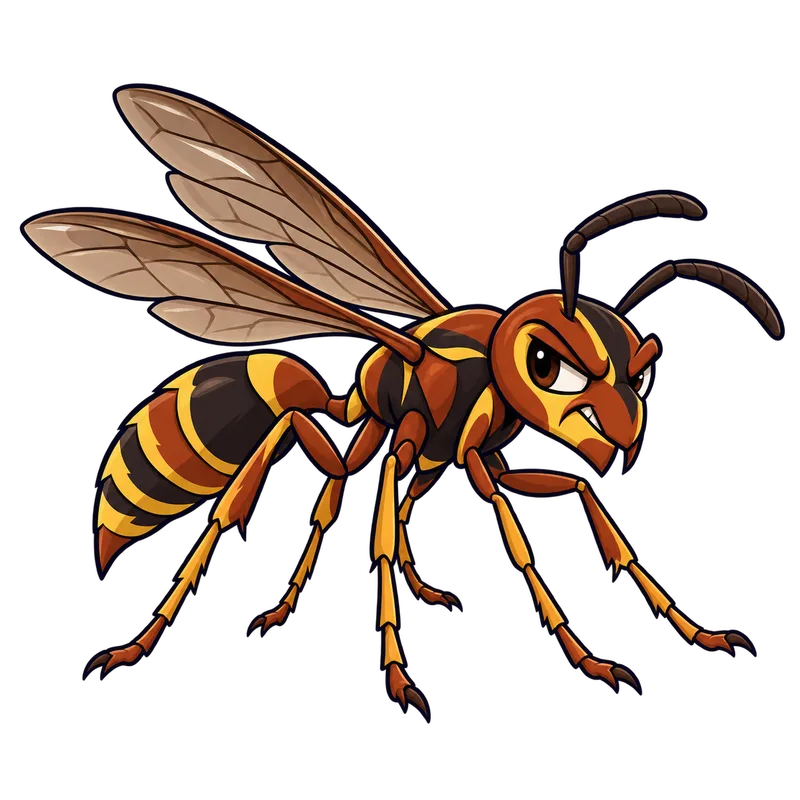
Deal with a wasp nest under a deck by first identifying the species from at least 10 feet away. If the nest is small and in a quiet spot, you can often leave it alone until autumn. Otherwise, use an aerosol spray in the early morning or late evening, or call a professional if the nest is hidden or aggressive yellowjackets are present.
What is actually going on
Picture stepping out onto the back deck on a warm Saturday morning, coffee mug in hand, ready to check on the grill. You lean over the railing to see if the stray soccer ball rolled underneath, and you notice a quiet, steady stream of insects slipping behind the wooden joists. Up until now, the deck was just a platform for patio chairs and weekend lounging. Suddenly, it feels like shared real estate.
What is happening down there is straightforward, even if it feels a little unnerving. The underside of a residential deck provides an ideal microclimate for social wasps. It offers deep shade, protection from heavy rain, and sturdy wooden framing that mimics natural rock overhangs or hollow trees. A lone queen that survived the winter found that sheltered space early in the spring, started building a small home, and now presumes the space belongs entirely to her expanding colony.
Depending on the species, that colony might consist of just a handful of cooperative paper wasps or a buzzing, hidden army of hundreds of yellowjackets. Because these insects view vibrations and close foot traffic as potential threats, a nest in such a high-traffic zone rarely stays a quiet neighborly arrangement for long. Dealing with it requires understanding who moved in before you grab a can of spray or try to knock the structure down with a broom handle.
How to tell for sure
You do not need an entomology degree to figure out what you are looking at, but you do need to keep a safe distance of at least 10 feet. Start by looking at the nest architecture and the physical appearance of the insects themselves.
If you see an exposed, single-layer comb that looks like an inverted gray paper umbrella with open hexagonal cells, you are usually looking at paper wasps. These creatures tend to have slender bodies, brownish coloring with yellow or red markings, and long legs that dangle noticeably as they fly. Their colonies remain relatively small, and they usually only defend themselves if someone makes direct contact with their home.
If you cannot see the comb at all because it is completely enclosed inside a papery ball with a single entrance hole, you are usually dealing with yellowjackets. These insects are compact, hairless, and marked with bright yellow and black bands. They nest in structural voids, between deck boards, or underground, and they tend to be far more aggressive than paper wasps when disturbed.
What usually comes next
Once you have figured out who you are dealing with from a safe distance, you have to make a practical choice. You can leave the nest alone, try a safe do-it-yourself approach, or call in a professional.
If the nest belongs to native paper wasps in a quiet corner of the deck where nobody walks, you can often just let the colony run its course. When the autumn cold sets in, the workers and the founding queen will die off naturally.
If the nest sits right above your favorite patio chair or houses aggressive yellowjackets, waiting it out is rarely an option. For exposed native paper wasp nests you can reach easily, you might use a store-bought aerosol spray made specifically for wasps. Always follow the product label instructions to the letter, since federal law requires strict adherence to those directions regarding application distances, protective gear, and timing. The safest window for treatment is always late in the evening or early in the morning, when cooler temperatures make the insects sluggish and keep them inside the nest.
Never try to burn out a nest under a deck with a torch or blast it with a high-pressure garden hose. Fire and wooden decks are a terrible combination, and a stream of water will only anger the colony, break the papery comb, and send hundreds of furious insects swarming across your yard.
When to get help
Certain situations mean you should step back and hand the problem over to someone else. If the nest is hidden inside a wall void or deep behind deck ledger boards where you cannot see the comb, trying to plug the entrance hole is a mistake. Sealing off the exit forces trapped yellowjackets to chew through interior drywall and wander straight into your living room.
You should also call a licensed pest management professional if the nest is under a high-elevation deck that requires balancing on a ladder while handling heavy gear, or if anyone in your household has a known allergy to insect stings.
If your identification points to an invasive species like the yellow-legged hornet, stop immediately and do not attempt self-removal. Take a clear photograph from a safe distance and report the sighting to your state department of agriculture or local agricultural extension office. State authorities handle these invasive detections directly as part of regional eradication efforts.
Seek emergency medical attention right away if a sting causes difficulty breathing, swelling of the throat or tongue, dizziness, or widespread hives. If you were stung and your last tetanus booster was more than 5 years ago, consult a healthcare clinician to make sure your protection is up to date.