
Are mud dauber nests the same as social wasp nests?
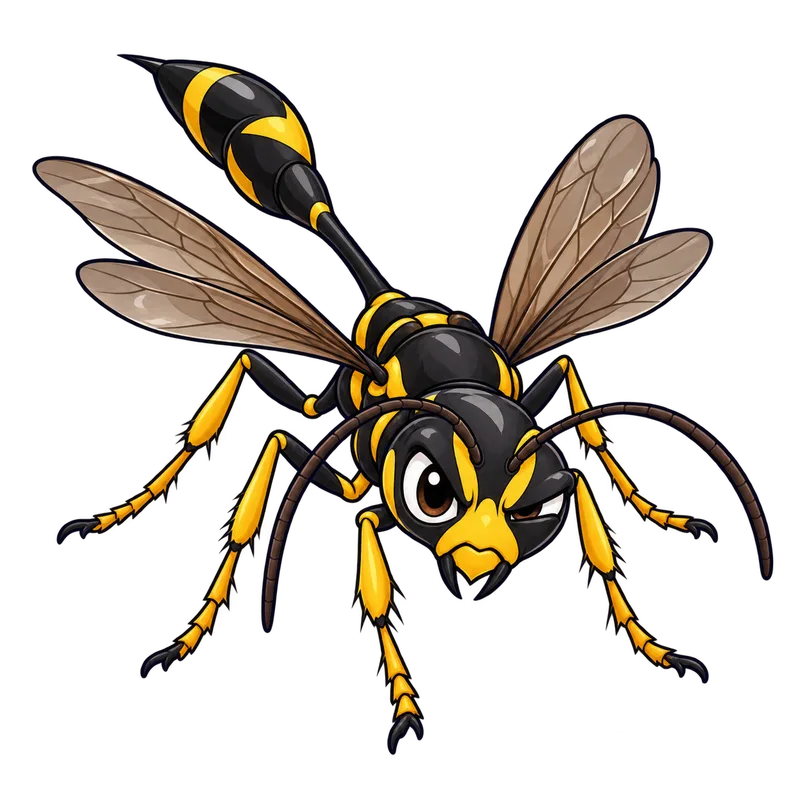
No, mud dauber nests are not the same as social wasp nests. A mud dauber nest is a hard, brittle earthen structure crafted by a single female wasp, while social wasp nests are delicate paper structures manufactured from chewed wood fiber mixed with saliva.
What is actually going on
You are standing on your back porch on a warm Saturday morning, coffee mug in hand, when you notice a rough, dry lump of gray clay tucked right under the wooden eave. Your mind probably jumps straight to stinging insects, visions of an angry swarm, and whether you need to buy a can of something lethal on the way to work on Monday. But before you panic and reach for a spray can, take a closer look at the visitor that built it. Mud dauber nests are entirely different from the papery fortresses built by social wasps, both in who makes them and how their little societies operate.
The short answer is no, mud dauber nests are not the same as social wasp nests. A mud dauber nest is a hard, brittle earthen structure crafted by a single female wasp working entirely alone. She scoops up wet mud, shapes it into individual cylindrical tubes or lumpy clumps, and packs it full of paralyzed spiders before sealing it shut for good. Social wasp nests, like the ones made by paper wasps, yellowjackets, and hornets, are delicate paper structures manufactured from chewed wood fiber mixed with saliva. Instead of a solo artisan building an isolated nursery, social wasps run bustling, cooperative colonies featuring queens, workers, and a shared defense strategy.
Why does this matter for your back porch? Because understanding who built the structure tells you whether you are dealing with a harmless, solitary neighbor or an aggressive colony of defenders. Mud daubers are introverted solo architects. They do not have worker castes to guard the front door, and they generally ignore humans unless you accidentally trap one against your skin. Social wasps, on the other hand, treat their paper nests like a fortress. If you get too close to a yellowjacket or hornet nest, you will know immediately because a whole squad of workers will launch a coordinated attack.
How to tell for sure
Telling these nests apart usually comes down to two simple clues: the material and the architecture. If you tap the nest with a stick and it feels like hard dried brick or clay, you are looking at the work of a mud dauber. The black and yellow mud dauber builds smooth, fist-sized earthen lumps under porch roofs or building corners, while the pipe organ mud dauber arranges parallel vertical tubes that genuinely look like tiny organ pipes.
Social wasp nests look and feel completely different. If the structure resembles gray or brown papier-mâché with a swirled wood-grain texture, you are looking at social wasp engineering. Paper wasps usually build a single, open, umbrella-shaped paper comb with hexagonal cells hanging downward in plain view. Yellowjackets and hornets usually enclose their multi-layered paper combs inside a large, protective paper envelope that looks like a gray football or basketball.
You can also usually tell by watching who comes and goes. A solitary mud dauber arrives quietly, carrying a ball of mud or a limp spider, and pays no attention to you whatsoever. If you see multiple wasps buzzing aggressively around an entrance hole or hovering defensively near the structure, you have found an active social wasp colony. Keep an eye out for the blue mud wasp as well. This metallic blue insect does not actually build its own mud nests, but instead brings water to soften old mud dauber nests, cleans them out, and moves in as a squatter.
What usually comes next
Staring at a hard clay lump on your house usually leaves you with an easy choice. Since mud daubers are peaceful and skip the whole defense squad routine, you can just ignore the nest entirely if it is tucked out of sight. The adults will hatch out, head off to hunt garden pests, and go about their business. If the structure sits in a clumsy spot or just looks messy, you can wait for cold weather or verify nobody is home, then slide a stiff putty knife underneath to pop it free.
The playbook shifts the moment you spot a paper nest or run into an unfamiliar pest. Discovering a small, round paper home under a roof edge during spring usually points to a lone queen paper wasp or an early-season hornet. While standard paper wasp setups are simple enough to handle with a bit of care, massive colonies hiding inside wall gaps or busy pathways demand a totally different strategy. Anyone living in an area where agricultural officials track invasive newcomers like the yellow-legged hornet should steer clear of any strange, oversized paper nests. Snap a picture from a safe distance instead, and hand the details over to your local extension office or agriculture department so trained hands can take care of it.
When to get help
Knocking down old mud dauber structures is a simple DIY job that rarely calls for outside muscle. That said, you should drop the scraper and bring in a licensed pest control professional the second you find a booming, active social wasp colony buried inside an attic, wall cavity, or underground hole. Yellowjackets and hornets protect their paper homes with serious malice, and walking up to a hidden monster nest with a grocery store spray can usually ends in a trip to urgent care.
You also need to drop everything and seek medical attention if a sting triggers a severe allergic reaction. Mud dauber stings barely register, but social wasps carry venom meant to punish anything that threatens the hive, and sensitive people can slide straight into anaphylaxis. Keep your eyes peeled for red flags like a swelling throat, trouble breathing, sudden dizziness, body-wide hives, or a crashing blood pressure. When those symptoms show up, grab an epinephrine auto-injector if one is prescribed for you, and call emergency services right away.