
When should you leave a wasp nest to a professional?
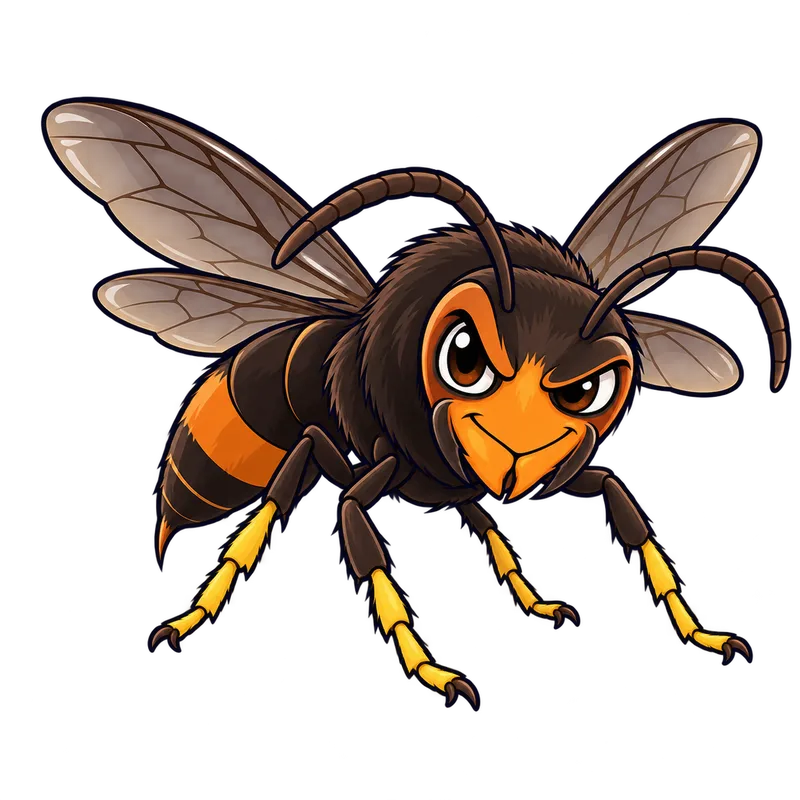
Leave a wasp nest to a professional when it is inside a wall void or high off the ground, when the colony is past its small early spring stage, or when someone in the home has had a severe allergic reaction. The same goes for any suspected invasive species, such as the yellow-legged hornet.
What is actually going on
You are standing on the back patio with your morning coffee, looking up at the corner of the porch ceiling where a grey, paper-like shape has appeared overnight. It looks about the size of a tennis ball, and a few angry yellow-and-black insects are already circling the perimeter like bouncers on a bad night. Your first instinct is to march back inside, grab a long-handled broom or a can of spray from the garage, and settle the score yourself.
Before you start swinging or spraying, you need to know when you should leave a wasp nest to a professional. The short answer is that you should hand the job over to an expert whenever the nest is inside a structural void or high up off the ground, when the colony has grown past its early spring phase, when anyone in your home has a history of severe allergic reactions, or if the insect turns out to be a regulated invasive species.
It is easy to underestimate these colonies because they start off so small. A single queen spends the early spring building a primary nest that usually stays smaller than a softball. By late summer, however, that same colony can balloon into a secondary nest housing thousands of workers. Unlike honeybees that die after one defensive maneuver, wasps and hornets possess smooth stingers. They can sting you over and over again while releasing alarm chemicals that call the rest of the workforce to the fight. If you try to tackle a large, established nest without heavy protective gear and the right commercial equipment, you are walking into an ambush.
How to tell for sure
Before deciding who deals with the nest, you usually need to figure out what kind of insect you are dealing with, and that starts with looking at the architecture and the creatures themselves. Native paper wasps usually build small, open-comb nests that look like tiny paper umbrellas hanging beneath eaves or porch overhangs, exposing the hexagonal cells to the open air. Yellowjackets, on the other hand, typically hide their paper envelopes inside enclosed spaces like underground rodent burrows, hollow trees, or the dark cavities behind your home siding.
European hornets prefer enclosed spaces too, often choosing hollow trees or high wall voids, and they have an annoying habit of flying around porch lights after dark. If you happen to spot a truly massive hornet with a dark velvety body and bright yellow lower leg segments, usually described as looking like it is wearing bright yellow socks, you might be looking at the invasive yellow-legged hornet.
Do not try to get close enough to inspect every tiny detail with a magnifying glass. If a nest is tucked deep inside a wall void or hanging high up in a tree canopy beyond your reach, identification matters less than immediate caution. You should generally maintain a safe viewing distance of 10 to 15 feet and never cross the flight paths leading directly to the entrance hole.
What usually comes next
When you stumble upon a nest, you are looking at a simple choice between buying a can from the hardware store or calling for help. If the structure is fully out in the open, small enough to hide behind a tennis ball, sitting right at ground level or just under your shoulder, and you are only dealing with common native paper wasps during the early spring, you could probably handle it yourself with a store-bought aerosol spray.
That straightforward plan comes with some ugly surprises that trip up a lot of homeowners. If you point that spray can at a hole leading into a wall void, you usually set off a complete disaster. Instead of wiping out the colony, the chemicals just trap heat and fumes in the cavity, driving thousands of defensive bugs right through your drywall, electrical outlets, or baseboard gaps and straight into your living room.
If your discovery fails to fit those narrow, safe conditions, the right path becomes completely obvious. Put the aerosol can down, back away from the area, and call a licensed pest control professional. They have heavy, sealed protective suits and long-range application gear that lets them tackle big colonies without turning your house into a war zone.
When to get help
Some situations take the decision away from you entirely and call for an expert right away, or even an emergency room visit. If anyone in your house has a known history of severe allergic reactions to bug stings, do not try to deal with the nest yourself under any circumstances. One mistake can cause a life-threatening emergency known as anaphylactic shock, which means dialing emergency services immediately.
You also need to bring in a professional when the nest hides inside a wall void, an attic, a chimney, or way up high in a tree where you have to balance on an extension ladder. Trying to work at height while angry insects attack you is a great way to take a nasty fall. On top of that, if you think the colony might be a regulated invasive species like the yellow-legged hornet, government rules ban you from trying to kill them yourself because messing it up just scatters the queens and makes the regional problem worse.
If someone does get stung, keep a sharp eye out for red flags like trouble breathing, swelling in the face, tongue, or throat, dizziness, or hives all over the body, and call emergency services without delay. For regular non-emergency advice or simple swelling, you can always call Poison Control. Bear in mind that stings can also carry a tetanus risk, so anyone who gets tagged should talk to a doctor if they have not had a tetanus shot in the last 5 years.