
Is the yellow-legged hornet the same as the Asian hornet?
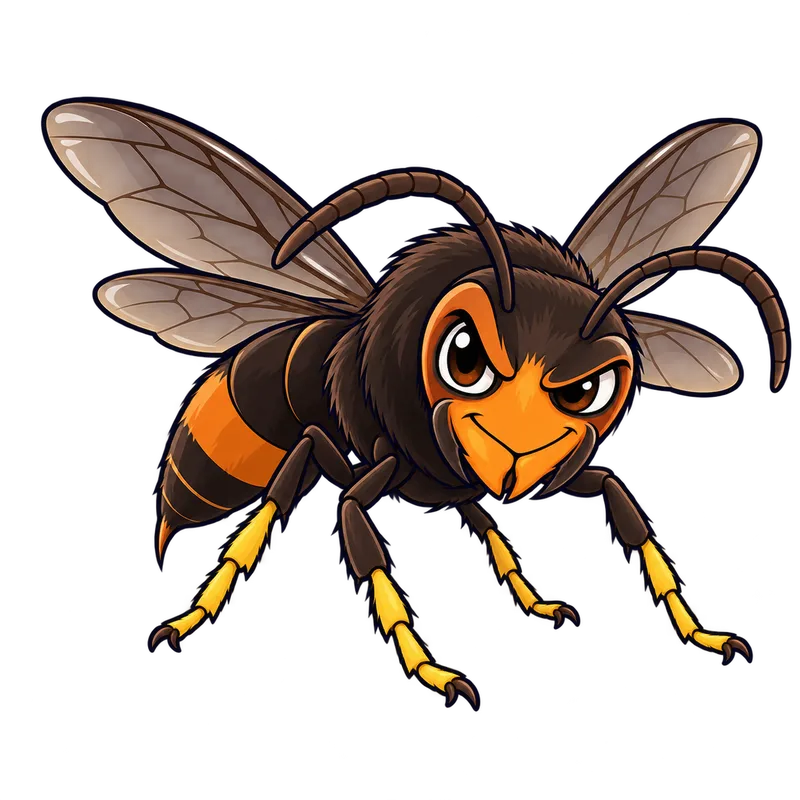
Yes, the yellow-legged hornet is the exact same biological species as the Asian hornet. The variation in the name depends entirely on geography. Officials in the United States usually call it the yellow-legged hornet, while British and European news outlets use the name Asian hornet for this insect.
What is actually going on
Imagine standing by your garden shed on a warm Saturday morning, watching the bees bumble around your late-blooming flowers, when you spot a stout, dark insect hovering a little too steadily near your hives. You might pause, wonder what kind of visitor has just dropped by, and recall hearing warnings on the news about invasive hornets. That brings up a very common point of confusion: people often wonder if the yellow-legged hornet is simply another name for the Asian hornet.
The short answer is yes, they are the exact same biological species, scientifically known as Vespa velutina. The variation in the name comes down to geography rather than biology. If you are reading gardening articles or agricultural alerts in the United States, officials usually call it the yellow-legged hornet. If you are browsing British or European news outlets, the same insect goes by the name of the Asian hornet.
A lot of the confusion happens because people mix this insect up with the northern giant hornet, which media outlets used to sensationalize under names like the Asian giant hornet or murder hornet. That is a completely different creature. The northern giant hornet is much larger, features a broad orange head, and was officially declared eradicated from Washington State and the United States in December 2024. In contrast, the yellow-legged hornet has quietly established footholds in parts of Georgia, South Carolina, and more recently, North Carolina. While both species pose a serious predatory threat to honey bees, they look different, build nests in different places, and have completely different regulatory statuses.
How to tell for sure
Identification should always come before any kind of management or reporting, and you do not need a laboratory to spot the key features. Workers usually measure between 0.7 and 1 inch in length, making them noticeably smaller than a giant hornet but larger than a typical yellowjacket.
The most reliable field mark is right there on the lower half of its legs. While the upper legs and the rest of the body are a velvety dark brown or black, the lower leg segments and feet are bright yellow. It almost looks like the insect is wearing high-visibility yellow socks. If you look at the abdomen, the fourth segment stands out as a bright, unmistakable band of yellow or orange against an otherwise dark background.
You might wonder if you are just looking at a native paper wasp or a European hornet. European hornets are larger, and their yellow abdomens are patterned with dark teardrop shapes rather than a solid bright band. Cicada killers have reddish thoraxes and lack those distinct yellow socks entirely. If you spot something that fits the description, try to keep a safe distance of 10 to 15 feet and snap a clear photograph, perhaps placing a coin or a pen nearby if the insect is dead to show scale. Agricultural agencies usually require a clear photo or physical specimen before they deploy field teams to investigate.
What usually comes next
When you suspect you have found this hornet, the smartest move is to play the role of a local lookout instead of a lone backyard hero. From the arrival of spring through late autumn, you can easily set up basic monitoring traps using regular plastic soda bottles. Take the top third off, flip it upside down to create a funnel inside the base, and fill it with a sweet bait like grape juice mixed with brown sugar during spring to catch queens, or swap it for a protein lure later on. Hang these traps around your yard or near beehives at about head height and check them every couple of weeks.
People often slip up and make a few classic mistakes here. Never reach for a can of spray, try to burn a nest, or attempt to knock one down yourself. These hornets start out with small nests tucked under eaves or low bushes in spring, but by late summer, those colonies can relocate high up into tall tree branches and hold thousands of aggressive workers. Probing a nest invites a furious swarm, and fumbling with a store-bought aerosol will only disperse the insects while letting the queen slip away to start a new colony. On top of that, using off-label pesticides on pests like these goes against state rules because the instructions written on pesticide labels carry the weight of the law.
As soon as you capture a sharp photo of the suspect hornet or its nest, send it straight to your state department of agriculture online reporting portal. State bug experts and federal teams use advanced tracking methods, like gluing miniature electronic trackers onto live hornets, to follow their flight paths right back to those high canopy nests for proper removal.
When to get help
Certain signs mean you have moved past standard garden chores and need to hand things over to the authorities. If you catch workers hovering steadily right outside a beehive entrance like tiny helicopters to grab incoming foragers, or if you spot piles of headless honey bees on the ground below, pick up the phone and report it to state agricultural inspectors right away.
Safety always comes first, especially when stings enter the picture. Hornet stings bring a wave of sharp local pain, swelling, and redness. Getting hit multiple times or having a personal allergy can quickly lead to severe physical reactions, trouble breathing, or life-threatening shock.
If a sting leads to trouble breathing, lightheadedness, swelling around the face or throat, or widespread hives, dial emergency services or head to a medical clinic immediately. For everyday sting advice within the United States, you can contact the national Poison Control Helpline at 1-800-222-1222. As for the nests, always leave the job to licensed pest control specialists wearing full protective suits or to state agricultural crews who possess the right safety gear for high-reach nests.