
Where should a suspected Asian hornet sighting be reported in the UK?
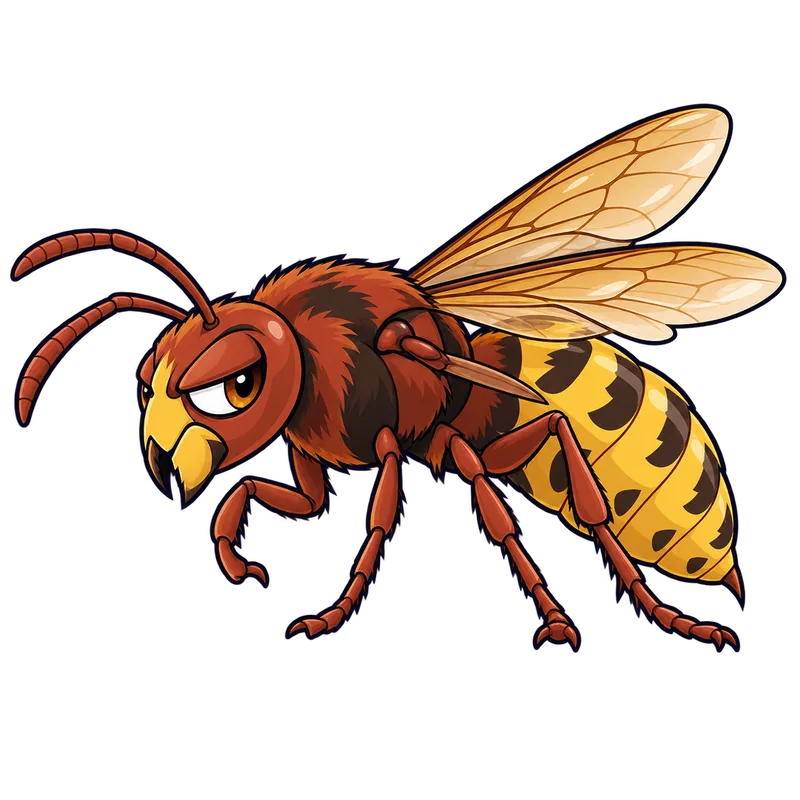
Suspected Asian hornets in the United Kingdom should be reported immediately through the free Asian Hornet Watch mobile app, via the online alert form hosted by the UK Centre for Ecology and Hydrology, or by emailing alertnonnative at ceh dot ac dot uk with a clear photograph. Prompt reporting helps government biosecurity teams locate and destroy nests before these predators can harm local honey bees and wild pollinators.
What is actually going on
Imagine you are out in the garden on a warm Tuesday afternoon, deadheading the last of the summer flowers, when you spot a medium-sized insect hovering near your beehives or feasting on the ivy. It looks like a hornet, but something is off. Its body is mostly dark, almost black, and its legs end in bright yellow tips that look just like tiny athletic socks. You freeze, wondering if you are looking at the invasive predator everyone on the local news has been warning about. If you suspect you have found an Asian hornet in the United Kingdom, you need to report it immediately through the free Asian Hornet Watch mobile app, via the online alert form hosted by the UK Centre for Ecology and Hydrology, or by emailing [email protected] with a clear photograph.
That immediate report goes straight into the non-native species alert system managed by government biosecurity teams and the National Bee Unit. Why the rush? Because these hornets are aggressive predators of honey bees and other wild pollinators. A single colony can consume thousands of insects in a season, and worker hornets practice a frustrating hunting technique known as hawking. They hover motionless outside a beehive entrance like a miniature drone, waiting to snatch returning bees out of the air. This constant threat causes foraging paralysis, where honey bees become too terrified to leave the hive, leading to starvation and colony collapse.
You might wonder why a casual gardener needs to bother reporting a bug instead of just swatting it and getting on with the day. The reason lies in how the UK government manages invasive species. Eradication depends entirely on early detection before queens can reproduce and scatter in the autumn. When you submit a verified sighting, you trigger a coordinated field response where inspectors deploy baited traps, track the flight path of marked hornets back to their nest, and destroy it before the local ecosystem takes a severe hit.
How to tell for sure
Before you send in a report, you want to make sure you are not looking at a harmless native lookalike. Misidentifications happen constantly, which is why official agencies usually require a clear photograph or a physical specimen before they dispatch field personnel to a location. Thousands of reports turn out to be native European hornets, hoverflies, or paper wasps.
Start by checking the size and coloring. An Asian hornet worker usually measures between 20 to 25 mm long, making it noticeably smaller than a native European hornet, which often reaches 35 mm. The thorax, which is the middle section of the body, is solid dark brown or black. The abdomen is mostly dark except for a distinct bright yellow or orange band on the fourth segment. Those legs are another dead giveaway, featuring dark upper segments that transition sharply into bright yellow lower tips. If you look closely at the head, you will usually see an orange or yellowish face.
You will want to watch how the insect actually behaves, too. If it hangs completely still outside a hollow tree or a beehive entrance while facing outward, that hunting style points straight toward Vespa velutina. Keep in mind that nest structures change drastically depending on the season. In spring, a lone queen builds a small primary nest about the size of a tennis ball in a sheltered spot like a shed porch or low bush. By late summer, the colony expands into a massive secondary nest the size of a beach ball, hidden high up in a tree canopy or building overhang.
What usually comes next
Once you submit your report with a sharp photo, the National Bee Unit reviews the evidence. If the sighting is confirmed, regional bee inspectors travel to the area to set up monitoring stations filled with sugary baits. Under strict wildlife laws, only authorized inspectors hold the legal exemption to capture a foraging hornet, apply a small dab of paint to its back, and release it to trace its flight path.
You should never attempt to trap and release a hornet yourself, as moving an invasive non-native species into the wild is illegal under UK legislation. More importantly, do not march out to the garden with a can of household wasp spray to deal with a suspected nest. Disturbed Asian hornets defend their homes aggressively, and an amateur removal attempt usually results in multiple painful stings and scattered survivors that simply rebuild nearby. Leave the tracking and the professional eradication entirely to the licensed inspectors who arrive in heavy multi-layered protective gear.
When to get help
If you or someone nearby is stung, pay close attention to physical reactions. A single sting causes sharp local pain and swelling, much like any wasp sting, but multiple stings or stings around the head and throat demand immediate caution. If anyone shows signs of a severe allergic reaction, such as difficulty breathing, swelling of the face or tongue, widespread hives, dizziness, or collapse, treat it as a life-threatening medical emergency and call 999 immediately.
There are also legal boundaries to keep in mind regarding property and wildlife protection. If a suspected hornet nest is located in an ancient hollow tree or a roof space that houses protected wildlife like bats or nesting birds, homeowner self-treatment is strictly prohibited. Official APHA contractors manage these complicated environmental regulations safely to ensure that local protected species are not harmed during the eradication process.