
Has the yellow-legged hornet been found in North Carolina?
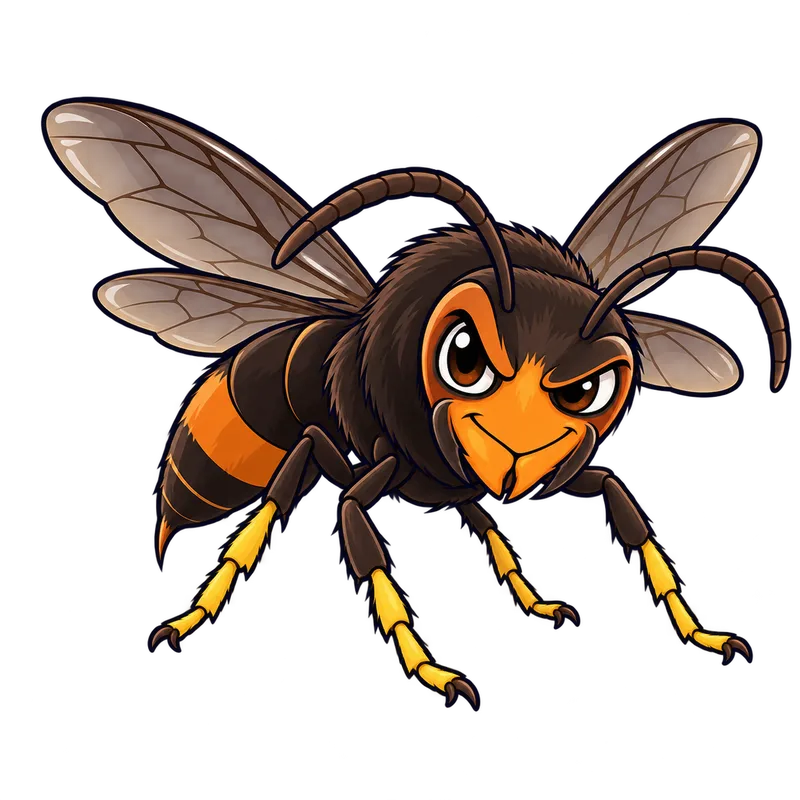
Yes, the yellow-legged hornet has been found in North Carolina with an established presence confirmed across several counties. State agricultural officials verified the detections after homeowners spotted the invasive predator hovering near backyard hummingbird feeders.
What is actually going on
Picture walking out to the back deck to check on the hummingbird feeder on a warm July afternoon, only to notice a thick-bodied insect hovering near the sugar water that looks entirely wrong for the usual wasps and yellowjackets buzzing around the yard. That is roughly how a homeowner first spotted something out of the ordinary, leading state agricultural officials to confirm that the yellow-legged hornet has indeed been found in North Carolina. Detections confirmed an established presence across several counties, marking a significant northern step for an invasive predator that first landed in the United States a few years ago.
You might wonder how a hornet from Southeast Asia managed to set up shop here, but the spread relies on a mix of natural flight and accidental hitchhiking in cargo or shipping containers. State apiarists and federal agricultural inspectors take these finds very seriously because the hornet specializes in hunting honeybees and native pollinators. Instead of foraging randomly, the workers use a hovering ambush tactic right outside hive entrances, snatching returning bees out of the air to feed protein back to their growing larvae. Left unchecked, this relentless hunting stresses managed bee colonies to the point of collapse, which spells trouble not just for beekeepers, but for any local crop relying on insect pollination.
How to tell for sure
Telling this invader apart from other backyard fliers usually comes down to a few distinctive field marks, starting with its general size and coloring. A mature worker typically measures around an inch long, sporting a dark brown to solid black thorax and a dark abdomen marked with fine yellow or orange bands and a prominent orange fourth segment. The single best diagnostic feature to look for from a safe distance is the bright yellow coloration of the lower leg segments, which contrast sharply against the darker upper legs like someone wearing dark trousers and bright yellow socks.
It helps to know what this hornet is not, since homeowners often panic over native look-alikes. The European hornet is noticeably larger with a reddish-brown thorax and a yellow abdomen covered in black teardrop spots, and it usually flies at night around porch lights. Bald-faced hornets feature stark white or ivory markings on the face and tail end. Cicada killers are massive solitary wasps with round eyes and a reddish thorax that dig tunnels in bare soil. If you spot a slender-waisted paper wasp, it will usually be dangling its long legs beneath an open paper comb under your eaves. None of these native species share that signature dark body paired with bright yellow lower leg tips.
What usually comes next
When a new invasive pest lands in the state, the standard public playbook shifts away from traditional do-it-yourself pest control and toward active community reporting and monitoring. If you suspect you have spotted a yellow-legged hornet or a suspicious paper nest around the property, the practical choice is to grab a clear photograph from a safe distance, note the exact location, and submit the details directly to the state department of agriculture online reporting tool. State officials rely heavily on these public sightings to track the distribution of the insect and guide field eradication teams.
For beekeepers and keen gardeners in the affected counties, setting up simple monitoring traps can help local surveillance efforts. You can make one using an ordinary plastic beverage bottle by cutting off the top third, turning it upside down to form a funnel, and taping it back into the base. Baiting this setup with a mix of sweet liquid in the spring or early summer helps capture queens, while switching to other baits later in the year can attract foraging workers. Keeping physical entrance guards on beehives also helps honeybees defend their doors against the hovering predators while waiting for official regulatory intervention.
When to get help
Any suspected encounter with a yellow-legged hornet or its paper nest requires handing the reins over to state agricultural authorities and federal plant health inspectors. Trying to tackle a mature nest with a standard aerosol wasp spray from the hardware store is a dangerous mistake because a thriving colony can house thousands of aggressive workers capable of delivering repeated stings. Furthermore, partial DIY destruction usually scatters the surviving workers and the queen, allowing them to rebuild and multiply elsewhere in the neighborhood.
On the health side, multiple stings or an allergic reaction require immediate medical attention, so anyone experiencing trouble breathing, facial swelling, or dizziness after a stinging incident must seek emergency care or contact poison control right away. Because these hornets are heavily managed under strict state and federal agricultural rules, nest removal and local control decisions belong entirely in the hands of trained regulatory personnel equipped with the proper authority and protective gear.