
Why is opening a wall around a suspected wasp nest unsafe?
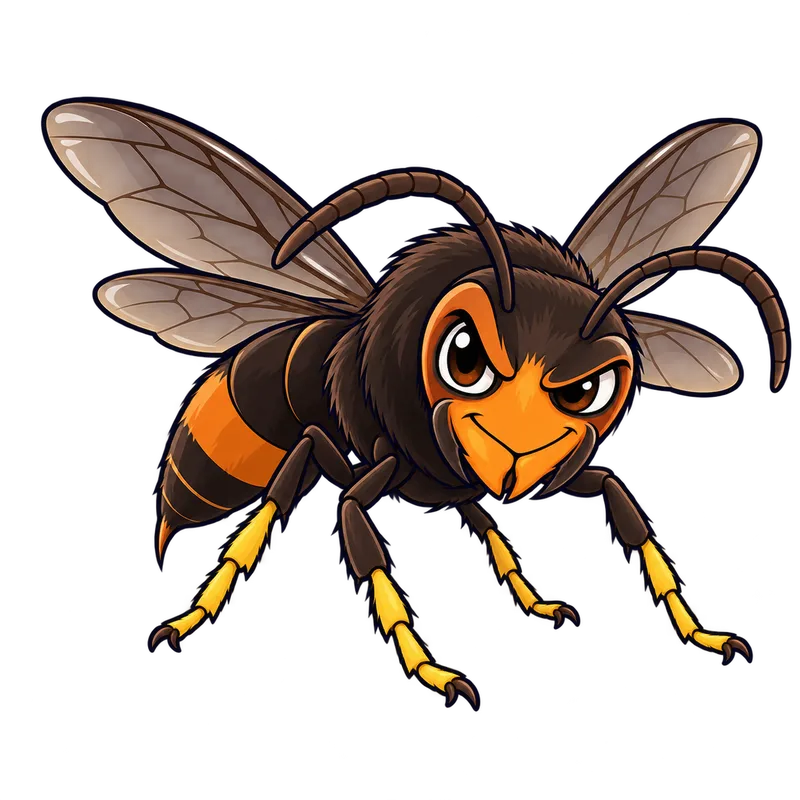
Opening a wall around a suspected wasp or hornet nest is unsafe because the physical vibrations of cutting and a sudden rush of light release alarm pheromones that mobilize the entire colony. This breaks the structural barrier and sends hundreds or thousands of agitated, stinging insects pouring directly into your living space.
What is actually going on
Picture standing in your hallway on a quiet Saturday afternoon, listening to a distinct, rhythmic scratching sound coming from right behind the drywall. It sounds like someone is tapping on the other side with a pencil eraser. You know instantly that you are sharing your home with something that has too many legs. The temptation to grab a utility knife, cut open a neat little square of plaster to see what is happening, and sort it out yourself is hard to resist.
Do not do it. Opening a wall around a suspected wasp or hornet nest breaks the structural envelope separating humans from a highly defensive colony. You are essentially taking a sledgehammer to a dam holding back thousands of agitated, stinging insects.
Social wasps and hornets love to set up housekeeping in structural wall voids, attics, and floor joists. As long as that drywall or exterior siding remains intact, it acts as a sturdy barrier. The moment you breach that wall, you trigger a chain reaction. The physical vibrations of sawing or hammering travel instantly through the paper nest combs. Combined with a sudden rush of ambient light, this vibration releases alarm pheromones that mobilize the entire colony.
Unlike bees that leave their barbed stingers behind and die after a single defensive strike, wasps possess smooth stingers. They can sting you repeatedly without stopping. Instead of flying outside into the open air, several hundred to perhaps thousands of angry workers suddenly pour directly into your living room or bedroom.
There is also the chemical trap to consider. Many homeowners try to get ahead of the problem by spraying retail aerosol insecticides into a newly cut hole or drenching the void with a liquid pesticide. In a confined wall cavity, those chemical vapors do not dissipate. They concentrate in unventilated spaces, creating a severe inhalation hazard for anyone inside the house.
How to tell for sure
Figuring out what is happening behind your walls usually starts with careful outdoor observation rather than indoor demolition. Walk outside and watch the exterior of your house from a safe distance, usually about fifteen to twenty feet away. Look for a steady stream of insects entering and exiting a tiny crack in the siding, a gap around a window frame, or a soffit vent.
Notice the size and color of the insects coming and going. If they have bold yellow and black bands with compact, hairless bodies and measure about a half-inch long, you are usually looking at yellowjackets. If they are larger, measuring up to an inch and a half long with a reddish-brown head and thorax, you might have European hornets, which are notorious for living in hollow trees and building voids. If you happen to live in parts of the American Southeast where the invasive yellow-legged hornet has gained a foothold, you might spot dark bodies with distinctive bright yellow leg segments.
You rarely get to be certain by just squinting at a bug from twenty feet away, and you should definitely never try to catch a live one just to get a better look. If you need someone to tell you exactly what you are dealing with, take some clear photographs from a safe distance and send them off to your local extension office or state department of agriculture.
Keep in mind that the calendar tells a big part of the story. If you hear buzzing behind the plaster when the ground is frozen solid outside, you might just be listening to the ghosts of a colony that already perished, because most social wasps die off when the weather turns cold. Hearing those exact same scratching noises in the middle of July, however, means you have a massive, fully grown colony running at top speed.
What usually comes next
Once you know for sure that an active nest is sitting inside your wall, your list of smart options shrinks down to one: leave the building materials alone and call someone who does this for a living.
Do not make the classic mistake of running outside with a tube of caulk or a can of expanding foam to seal up their front door. That common weekend DIY trick always blows up in your face. When the workers realize they can no longer get outside to forage, they do not just accept their fate and curl up. Instead, they start chewing right through your interior drywall, baseboards, or heating ducts, forcing their way straight into your bedroom or kitchen in a panic.
Instead, a licensed pest control operator handles the situation without ever needing to pick up a drywall saw. These technicians usually rely on specialized equipment that puffs dust or injects foam. They slip their tools through tiny, pinprick holes or use the natural entrance outside, pumping approved products right into the center of the nest without tearing your house apart. This knocks out the colony in the dark while keeping your walls completely solid.
If the insects turn out to be honeybees instead of angry wasps, the game changes entirely. Honeybee colonies living inside framing usually need a beekeeper to come out and do a live cutout, which keeps old honey from melting down, rotting your wooden studs, and inviting mice or ants to the party.
When to get help
You need to back away and call in an expert straight away if you suspect a nest is hiding inside any interior wall, ceiling void, or attic. Do not try a do-its-yourself removal when you are dealing with thousands of angry stingers trapped right behind the drywall of a finished room.
If anyone in your household has a known allergy to insect venom, you cannot skip hiring a professional before that nest gets big enough to cause a real emergency. The same rule applies if you think you have spotted an invasive pest like the yellow-legged hornet, which often requires you to report the find directly to state agricultural authorities.
If someone takes a sting and just has a sore red spot, wash the skin with soap and water, slap an ice pack on it, and maybe grab an over-the-counter antihistamine from the medicine cabinet. You need to dial nine one one immediately, though, if the person stung starts showing signs of a severe whole-body reaction like trouble breathing, swelling in the throat or tongue, dizziness, or hives breaking out all over. For basic questions about ordinary stings that do not look like emergencies, reach out to your local poison control center.