
How do you inspect a wool rug for carpet beetle damage?
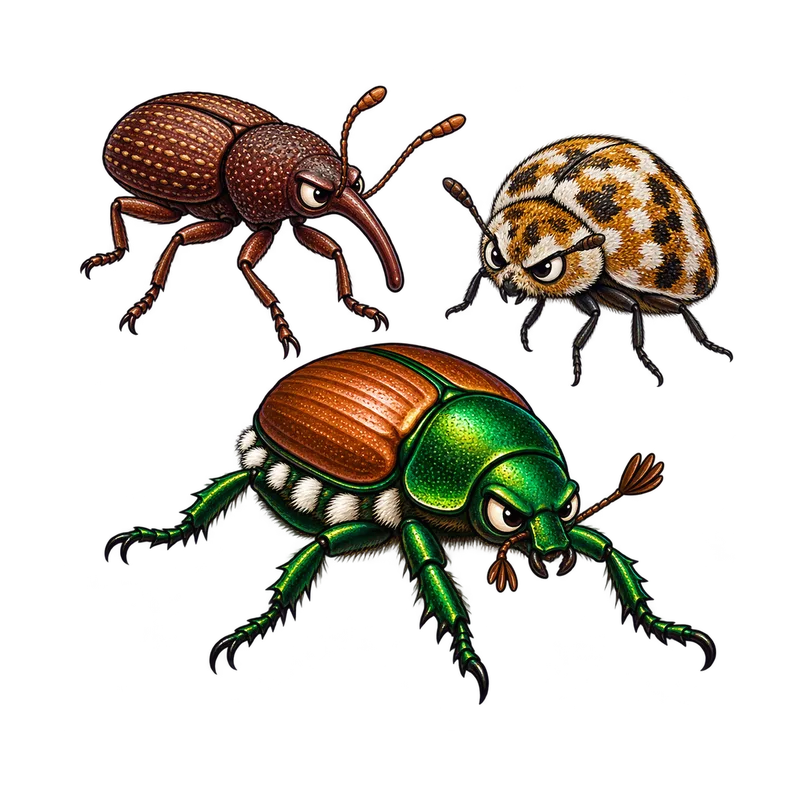
To inspect a wool rug for carpet beetle damage, flip back the edges and look closely along the underside perimeter and in the dark spaces beneath heavy furniture. Use a bright flashlight to search for threadbare patches of wool, bristly carrot-shaped larvae measuring between 3 and 10 millimeters, and tiny fecal pellets that resemble coarse pepper.
What is actually going on
Imagine moving a heavy oak sideboard during spring cleaning, only to find a patch of your favorite wool rug looking oddly threadbare, almost as if someone took a pair of scissors to it. Scattered across the bare spot are tiny, dark, pepper-like grains and small, bristly husks that look like miniature porcupines. You are not dealing with a ghost or a random fabric defect, but rather with carpet beetle larvae quietly grazing away while hiding from the light.
To inspect a wool rug for this kind of damage, you need to flip back the edges, check the underside along the outer perimeter, and look closely in the dark, undisturbed spaces beneath heavy furniture and along baseboards. People often assume that the small, oval-shaped beetles they spot crawling on springtime windowsills are the culprits chewing their wool, but those adults are actually just visiting tourists. They feed strictly on outdoor plant pollen and nectar. The damage to your textiles is done entirely by their cryptic, hairy offspring.
Carpet beetle larvae have specialized mouthparts designed to digest keratin, which is the tough animal protein found in wool, mohair, fur, and feathers. Because these tiny creatures hate light, they burrow deep into the rug pile or retreat to the reverse side against the floor. If your rug has a cotton backing or sits over a synthetic blend, they will still munch through it if the fibers happen to carry traces of human sweat, skin oils, or food spills. Their life cycle can stretch on for months or even years depending on conditions, which means a small population can quietly accumulate a dense layer of shed skins before anyone notices a thinning pile.
How to tell for sure
Spotting the signs of an infestation usually comes down to looking for a few specific physical clues rather than guessing based on random holes. Carpet beetle larvae leave behind clean, clipped fiber damage or chewed backing, creating concentrated patches of threadbare wool rather than scattered pinpoint holes. You will not find any silken tubes or sticky webs across the damage, which is a major giveaway because clothes moth caterpillars love to spin silk.
Instead, look for three telltale diagnostic markers in the damaged zones. You will usually find dark, carrot-shaped bristly larvae measuring between 3 and 10 millimeters, often referred to as woolly bears. You will also spot intact, hairy, shed larval skins that remain trapped in the weave long after the insects molt. Finally, look for tiny, hard fecal pellets that resemble grains of salt or coarse pepper.
Field inspection generally requires a bright flashlight and a flexible tool to lift the heavy pile without tearing the warps. A magnifying glass can help you distinguish between ordinary dust lint and those bristly shed skins. If you find strange specimens that look ambiguous, a specialist sometimes needs to examine them under higher magnification. Adults can vary by region, with the varied carpet beetle and the black carpet beetle being the most common culprits in North American homes, but their destructive habits beneath rugs remain remarkably consistent.
What usually comes next
Once you confirm that carpet beetles are dining on your rug, you have to decide on a cleanup and treatment plan. A thorough physical sanitation is usually the best first step. Vacuum both the top surface and the underside of the wool rug meticulously, paying special attention to the edges and the floor beneath it. Empty your vacuum bag or canister directly into a sealed plastic trash bag and toss it into an outdoor bin immediately so the remaining larvae do not crawl back out.
For removable area rugs, physical removal through professional cleaning or freezing is often much safer than spraying chemicals directly onto the fabric. You can freeze smaller wool rugs by wrapping them tightly in heavy polyethylene plastic bags, squeezing out the extra air, and placing them in a deep freezer for several days. When you take the rug back out, you must let it sit sealed for a full day to warm up gradually. This slow thaw acts just like a cold glass of water on a humid day, keeping condensation on the outside of the plastic rather than dampening your delicate wool fibers.
If you decide to use residual insecticides, keep them strictly to the bare baseboards, floor cracks, and perimeter crevices where the insects travel. Never spray liquid chemicals directly onto the upper walking surface of a wool rug, as it creates unnecessary contact risks for your family and pets without actually solving the hidden problem underneath.
When to get help
There are moments when a do-it-yourself inspection and freezing routine is not enough, and you should bring in outside help. If the infestation has spread across multiple rooms, or has traveled into wall-to-wall carpeting stapled to the subfloor, a licensed pest control operator has the right tools to trace the problem to its structural roots. Sometimes, persistent carpet beetle populations keep returning because there is an abandoned bird, wasp, or bee nest hidden in an attic or chimney void, and dealing with those safely often requires professional assistance or adherence to wildlife protection laws.
You should also consult a professional textile conservator if you are dealing with a valuable, antique, or delicate hand-knotted rug that cannot withstand standard cleaning or freezing without risking damage. Furthermore, pay attention to your own physical health during an outbreak. The bristly hairs shed by carpet beetle larvae can trigger severe skin rashes, allergic dermatitis, or respiratory irritation in sensitive people. If anyone in the household develops unexplained skin lesions or breathing discomfort, consult a medical clinician right away for proper diagnosis and care.