
What is a giant cicada killer wasp?
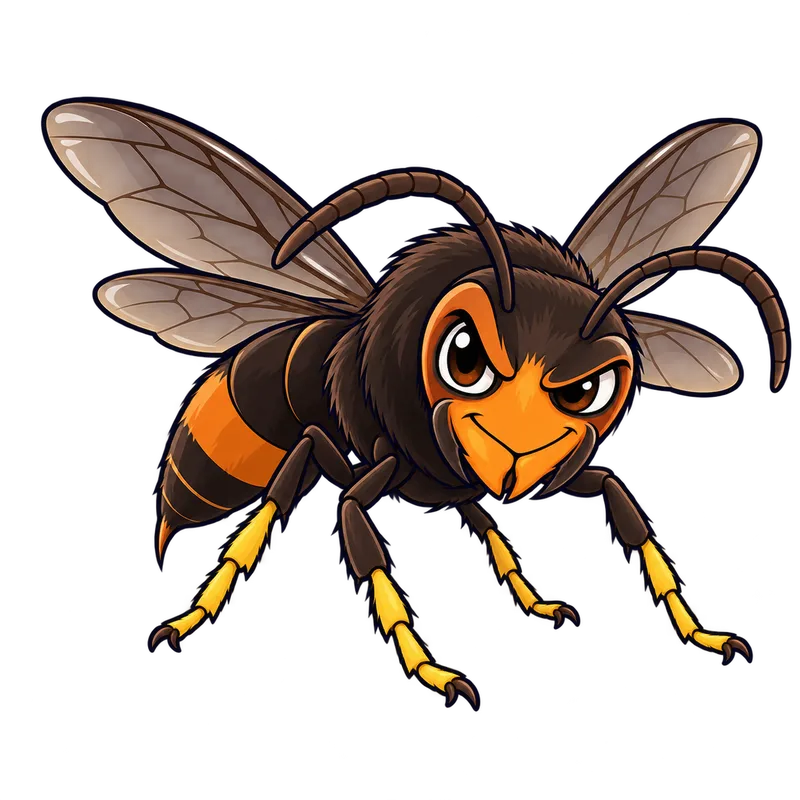
A giant cicada killer wasp is a native North American solitary digger wasp that can reach up to 2 inches in length. These massive insects dig burrows in sunny turf and hunt cicadas to feed their young. They are peaceful unless stepped on directly, and their males cannot sting at all.
What is actually going on
You are out mowing the lawn on a hot July afternoon, minding your own business, when suddenly a winged creature the size of a small hummingbird drops out of the sky and buzzes your ankles. Naturally, you drop the mower handle and take three steps back, wondering if you have just been targeted by the latest headline-grabbing pest from overseas. It is usually around this exact moment of panic that people start searching for what a giant cicada killer wasp is and whether they need to evacuate the backyard.
The short answer is that a giant cicada killer wasp is a native North American solitary digger wasp, specifically belonging to the genus Sphecius, that can reach up to 2 inches in length. Despite looking like they were engineered in a laboratory to terrify suburban gardeners, these massive insects are solitary creatures rather than social swarmers. The females spend their summer months digging burrows in sunny patches of turf, hunting cicadas to provision their underground nests, and generally ignoring humans unless you happen to step on one barefoot.
Why do they cause so much alarm then? Their sheer physical dimensions earn them an immediate spot among the largest native flying insects on the continent. Because they frequently show up around manicured lawns, golf courses, and bare garden soil where cicadas sing in the trees, homeowners spot them patrolling the grass and immediately confuse them with dangerous invasive apex predators like the Northern giant hornet. But once you look past the intimidating size, their habits and temperament are entirely different from true social hornets that defend communal nests.
How to tell for sure
Telling a native cicada killer apart from an unwanted foreign invader usually comes down to a few distinct visual cues you can spot without getting close enough to get stung. First, check the head. Cicada killers have a head that is noticeably smaller and narrower in proportion to their body, and their compound eyes are fully round. True hornets usually sport a disproportionately large, broad head with deeply notched, crescent-shaped eyes.
Next, look at the coloring on the upper body. A cicada killer usually has a dull reddish or reddish-brown thorax, which is the middle segment where the wings attach. The invasive Northern giant hornet, by contrast, features a solid dark brown or black thorax that creates a stark, high-contrast look against a bright yellow head. If you are checking for the Yellow-legged hornet, which has been making headlines in parts of the Southeastern United States, look closely at the legs. Those particular hornets have distinctive bright yellow lower leg segments that look almost like neon socks on dark legs.
You should also consider where you are seeing them and what kind of architecture they use. Cicada killers are ground nesters, so they leave small horseshoe-shaped mounds of dirt in thin turf, flower beds, or sandy soil. If you are looking at a large, enclosed paper nest hanging from a tree branch or tucked under a deck railing, you are definitely not looking at cicada killers. Those belong to social wasps or hornets, which operate under entirely different rules.
What usually comes next
When you spot one of these large insects hovering over your lawn, the choice usually comes down to whether you should intervene or simply leave them alone. Most local agriculture agents and insect experts advise confirming what you are looking at before you grab a can of spray. If you know the visitor is a native cicada killer rather than an unwanted import, letting them finish their brief summer run is normally the easiest path. They lack the aggressive territorial defense you see in social pests, and while females possess a stinger, the males cannot sting at all.
If the nesting sites sit right in the middle of a busy walkway or a children's play area, you might feel compelled to take action. Thickening up your grass through regular watering and fertilizing often stops them from digging there next season, because they heavily favor sparse, dry earth baked by the sun. If you do opt for a commercial dust or spray on the soil openings, you need to read and follow the product label instructions carefully, avoiding improvised mixtures or guessing at the amounts. For hanging paper nests or potential invasive hornets, it is always wiser to call in a licensed pest control operator.
When to get help
There are times when casual backyard observation must give way to professional medical or environmental intervention. If someone gets stung and starts showing signs of trouble breathing, throat tightness, lightheadedness, spreading hives, or disorientation, get emergency medical help right away or call poison control, since these point to a dangerous allergic reaction. Any insect puncture also introduces a small chance of tetanus, meaning anyone overdue for a booster shot should consult a doctor.
On the regulatory front, pick up the phone if you suspect you are dealing with a newcomer like the Yellow-legged hornet instead of a harmless native digger wasp. State departments of agriculture and local extension offices monitor these arrivals closely and depend on sharp-eyed residents to spot trouble early. If you find a questionable insect, keep your distance, take a sharp photo with a common object for size reference, and send your report to your state tracking website instead of trying to handle the nest on your own.