
When do local wildlife rules limit attic exclusion?
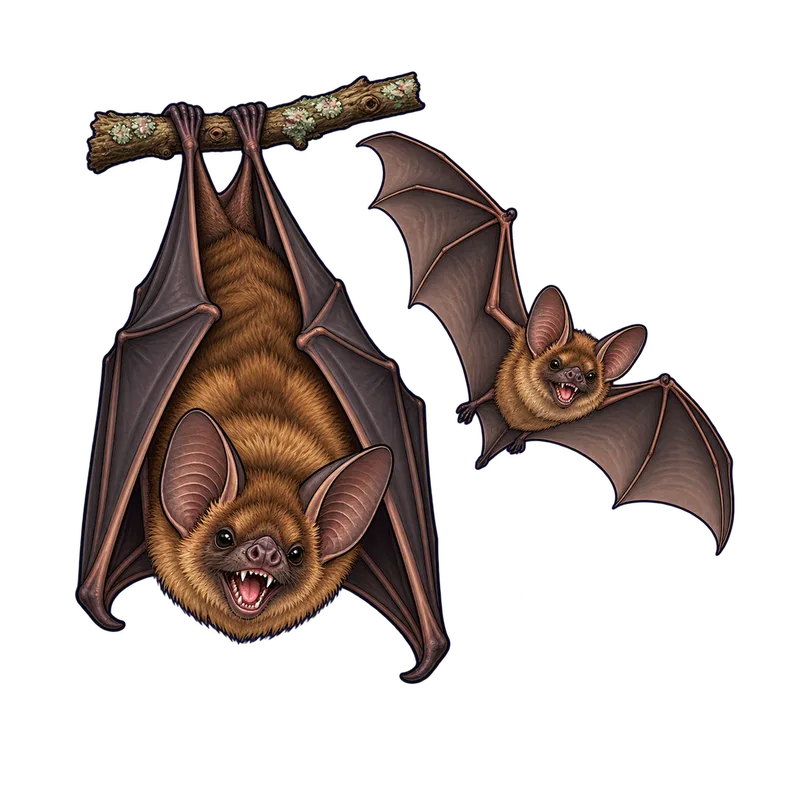
Local wildlife rules limit attic exclusion whenever animals are legally protected, during seasonal breeding or maternity windows when flightless young are present, or when sealing an opening risks trapping dependent offspring or protected adults inside. Rules also depend on the specific species, such as bat maternity windows that protect roost entrances in places like Florida until August 14th.
What is actually going on
Picture this. It is a warm Saturday in May, and you finally have the free time to tackle that annoying scratchy sound in the attic. You climb the ladder, spot a small gap near the soffit where the roofline meets the wall, and reach for a tube of exterior caulk and a scrap of wire mesh. You are just trying to fix a draft and keep out the mice, but you are actually walking into a complex legal and biological minefield. Local wildlife rules limit attic exclusion whenever animals are legally protected, during seasonal breeding or maternity windows when flightless young are present, or when sealing an opening risks trapping dependent offspring or protected adults inside.
Wildlife agencies and conservation laws are not trying to make home repairs miserable just for fun. The core restriction usually comes down to maternity season, which is that crucial spring and summer window when female mammals and bats gather to give birth and raise their young. If you install a one-way exit door or seal up an attic entry point in May, you are essentially changing the deadbolts on a house while the parents are out running errands, leaving infant children inside who cannot reach the door handle. In places like Florida, for instance, all native bat species are protected year-round, and state rules make it strictly unlawful from April 16th to August 14th to block roost entrances because newborn pups cannot fly yet. Sealing them in leads to a grim cycle of starvation, terrible odors from decaying carcasses, secondary infestations of blowflies, and heavy statutory penalties for wildlife violations.
Beyond the calendar, regulations also govern what you can actually do with an animal once it is out. You might think live trapping and hauling a nuisance animal off to a distant state forest is a humane fix, but most wildlife departments severely restrict or outright ban relocation. Moving wildlife often spreads diseases like rabies or raccoon roundworm to uninfected areas, causes territorial fights, and results in high mortality for the moved animal. Public health rules take over entirely if there is a chance of a rabies exposure, meaning human medical safety protocols always override standard pest control timelines.
How to tell for sure
Before you blame a specific animal for attic noises or start looking up permit calendars, you usually need to confirm what is actually living up there. Never try exclusion based on late-night scratching sounds alone because mice, rats, squirrels, raccoons, and bats often sound identical when they are pacing across drywall ceiling panels. Inspect the exterior for physical clues like greasy rub marks around entry holes, chewed wood, tracks, or droppings, and match those signs to the physical habits of the region.
If you suspect bats or wildlife are using a specific hole, you have to verify active use before doing anything permanent. Technicians rely on a simple monitoring protocol using movement indicators. You can wedge crumpled newspaper tightly into the entry hole or tape criss-crossed duct tape over the opening, then leave it completely undisturbed for three consecutive days of good weather. If the paper or tape is pushed out or torn, animals are actively using that hole, and you must pause any plans to seal it.
You also have to check the local calendar against the species. If you live in a region with strict bat maternity windows, you cannot touch the exclusion devices until the legal season opens. In Florida, that means waiting until August 15th, and keeping your hands off the entry points entirely until the following April. If you find raccoon latrines, which are community bathroom spots they set up on roofs or in unsealed attics, you are dealing with parasite risks that change how you approach the space entirely.
What usually comes next
Once you figure out what is up there and make sure the legal window is actually open, you still have to figure out the right hardware and timing for the job. Permanent exclusion needs tough, solid materials instead of quick shortcuts like spray foam or basic window screening that chewing pests can rip through in minutes. Use heavy-gauge metal flashing, stainless steel chimney caps, or galvanized wire mesh over your vents and roof gaps.
At the exact same time, you have to fix whatever invited the animals inside in the first place. Sealing an attic while leaving open trash cans on the driveway or pet food sitting on the back patio is like locking the front doors of a bank while leaving cash piles on the sidewalk. Those animals will just march around the roofline and chew right through a brand new spot. Trim back any tree branches touching the roof, lock up household garbage in sturdy bins, and get rid of standing water.
When you finally put up one-way exit doors or netting over the main entry holes, you also need to seal every other tiny gap larger than the width of a thumb because creatures like bats can squeeze through shockingly narrow spaces. Cleaning up an attic mess like a raccoon latrine takes the right safety gear and specific cleaning steps. Regular household bleach does not actually kill raccoon roundworm eggs, it only softens the sticky coating holding them to wood and insulation so you can wash them away. Only intense heat, like boiling water or a propane torch used safely on concrete, will destroy those parasite eggs right on the spot.
When to get help
Certain attic problems quickly go past what a weekend DIY project can handle, turning into work for trained pros, public health departments, or state wildlife officers. If an animal living in your attic has bitten someone, or if you wake up and find a bat in a bedroom with an unattended child or a sleeping person, stop right there and do not try any exclusion or DIY capture. Call your local health department or animal control right away because the animal might need rabies testing, and human medical safety always comes before house repairs.
You should also hire a licensed wildlife professional or call the state wildlife office if you discover animals during the spring and summer breeding season, or if you are dealing with aggressive wildlife like raccoons or skunks. Climbing around on steep roofs or walking across open attic joists brings real fall risks, and cornered animals protecting their young will fight back hard. On top of that, finding massive raccoon latrines in tight, stuffy spaces means you are facing real breathing hazards from dangerous spores and microscopic eggs, which calls for heavy-duty respirators, professional cleaning gear, and proper disposal methods to keep your family safe.