
Do bat bugs bite humans?
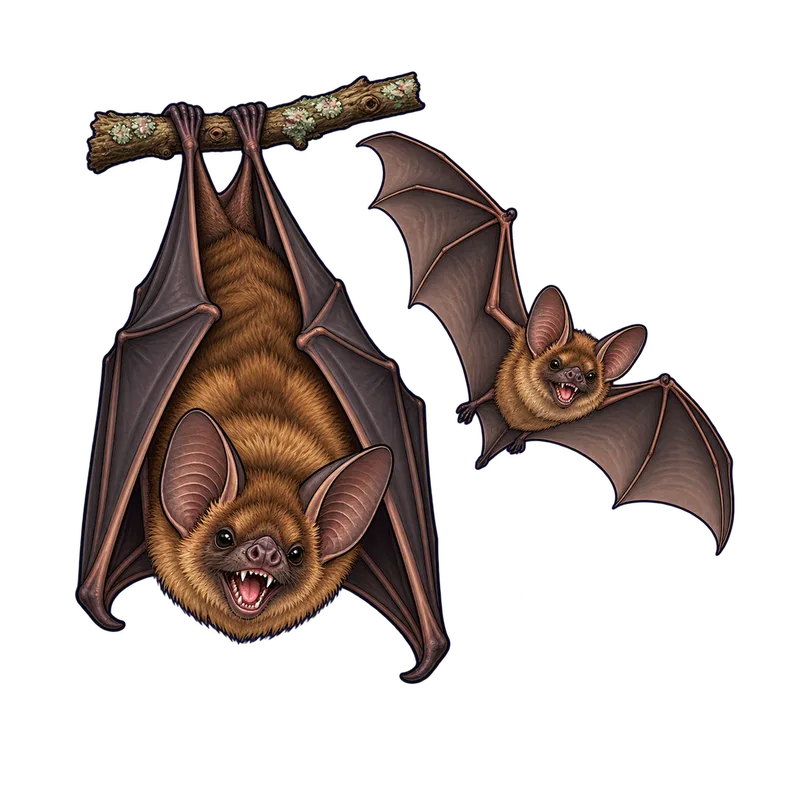
Yes, bat bugs will bite humans if their preferred animal host is no longer around. This happens when the bats migrate, die, or get sealed out of the building, leaving the hungry bugs to wander downward into living spaces. Although they bite people and pets, bat bugs cannot reproduce or survive permanently on human blood alone.
What is actually going on
Picture walking into your bedroom on a Tuesday morning and spotting a flat, reddish brown insect crawling near the top of the wall. Your first thought is likely panic, followed by a quick mental inventory of your suitcase from last weekend's trip. But if you have bats roosting in your attic or hanging out behind the chimney, that little bug might not be a common bed bug at all. Instead, it is likely a bat bug, and yes, it will bite humans if its preferred host is no longer around.
Bat bugs live as parasites on roosting bats, tucked away in upper structural spaces like roof eaves, wall voids, and attics. They prefer animal hosts with fur, but they are opportunistic feeders. When the bats migrate for the winter, die, or get sealed out of the building, the surviving bugs get hungry. Without their usual source of meals, they wander downward through utility chases, cracks around ceiling light fixtures, and gaps in crown molding into your living space. Once they arrive downstairs, they will readily bite you or your pets.
Here is the catch that brings a bit of relief: bat bugs cannot reproduce or sustain a permanent population on human blood alone. Unlike bed bugs, which settle down nicely in mattress seams and multiply indoors, bat bugs need a bat host to complete their life cycle and lay viable eggs. That means you are not looking at a self-sustaining bedroom infestation. However, adult bat bugs can survive for months without feeding, so those random bites can keep happening for quite a while after the bats have cleared out.
How to tell for sure
You usually cannot identify a bat bug with the naked eye or a quick glance from your smartphone camera. They look remarkably like common bed bugs, sharing that same oval, flat, brownish shape and small size. Telling them apart requires capturing an intact specimen and sliding it under a microscope or high-power hand lens providing twenty to fifty times magnification.
Look closely at the fringe hairs on the lateral margins of the pronotum, which is the shield-like segment directly behind the insect's head. On a bat bug, those fringe hairs are noticeably long and bristly, measuring equal to or longer than the width of the compound eye. On a common bed bug, those same hairs are distinctly shorter than the eye width. Bat bugs also tend to have a hairier overall body, less protruding eyes, and a flatter front margin on that thoracic shield compared to the deep, U-shaped notch seen on bed bugs.
Behavior provides another strong clue. While bed bugs cluster tightly within a few feet of where people sleep, such as headboards, box springs, and mattress tucks, bat bugs usually show up as isolated wanderers on ceilings, upper walls, and windowsills in rooms located directly beneath an attic or roof void.
What usually comes next
Your first smart move is saving your cash and skipping those aerosol bug bombs at the hardware store. Total-release foggers never reach deep into the attic spaces where these pests live, and they usually just chase surviving bugs further into your living areas. Do not bother buying pricey mattress covers or heat treatments meant for regular bed bugs when your real trouble is coming straight from the roof.
Instead, catch a specimen by dropping the insect into a small, sealed container, and bring it to a local agricultural extension office or a licensed pest controller so someone can check those shoulder hairs under a microscope. Once you know for sure you have bat bugs, you need to handle the problem in the right order. You have to seal up the roof and use proper animal exclusion techniques to keep the bats out for good, and then apply targeted treatments in the attic and wall gaps where the bugs are hiding. Spraying your bedroom while leaving the attic alone just means the bites will keep happening.
When to get help
You should call in professionals right away whenever wildlife management crosses paths with your pest issue. Bats have strict legal protections in many areas, which means you cannot just kill them or kick them out whenever you feel like it, especially during the spring and summer when mothers are raising flightless pups. A trained wildlife specialist needs to manage the removal using proper one-way doors that let the animals leave without coming back.
On top of the legal side, bats carry rabies, so you should never pick up any bat, dead or alive, with your bare hands. If a family member or a pet gets too close or has direct contact with one, let local public health officials know right away. As for treating attic voids and structural gaps with pest products, leave that to a licensed exterminator who has the right safety gear and approved formulas. If anyone in the house ends up with a severe skin reaction, spreading redness, or an infection from scratching the bites, go see a doctor or head to urgent care.