
What affects the cost of removing bats from an attic?
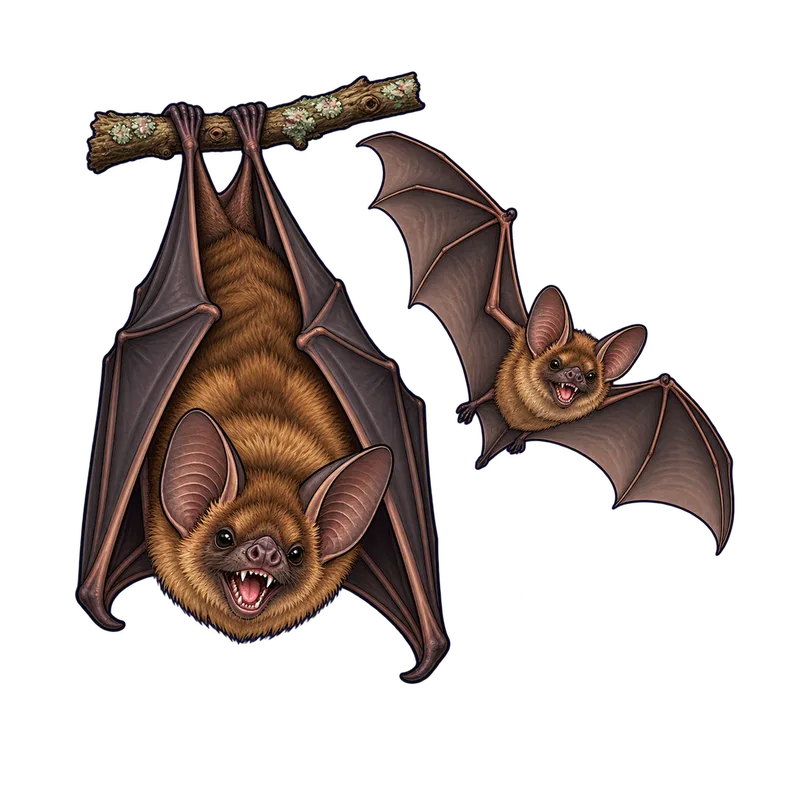
The cost of removing bats from an attic depends on the structural complexity of sealing entry openings, the legal labor window enforced during maternity season, the necessity of one-way exclusion mechanisms, and the level of hazardous guano decontamination required. These factors drive prices across a wide gap ranging from minor preventive maintenance to significant outlays for complex evictions.
What is actually going on
Picture standing in your driveway at dusk with a cup of coffee, staring up at the roofline as the sun drops behind the trees. Suddenly, a small, erratic shadow darts out from a gap near the gable vent, looping into the evening sky to hunt insects. That fleeting moment of realization usually brings a sinking feeling, followed immediately by a very practical question about how much it is going to cost to get them out of the attic.
The total cost of bat removal is rarely a flat rate you can pull out of a catalog. Instead, it is driven by the structural complexity of sealing every tiny entry opening, the legal labor window enforced during maternity season, the necessity of multi-step one-way exclusion mechanisms, and the level of hazardous guano decontamination required. Wildlife damage management projects generally range from minor expenses for basic preventive maintenance to significant outlays for complex evictions, extensive sealing, and insulation cleanup.
Why does a relatively small animal create such a wide pricing gap? The answer lies in building architecture and biology. Bats can compress their bodies to squeeze through gaps as small as a human thumb, measuring about one-quarter of an inch. A technician cannot simply patch the one hole where you saw a bat dart out. They have to inspect every inch of the roof deck, soffits, ridge caps, and chimneys, because sealing the main door while leaving secondary gaps open just forces the animals into another part of your house.
How to tell for sure
Before anyone talks about pricing, you have to confirm what you are dealing with, and identification usually relies on a few reliable behavioral and physical cues. Sitting outside at sunset for thirty minutes to watch where bats flutter out of the roofline usually gives you a front-row view of their primary exit. Inside the attic, you will usually find accumulations of dark, crumbly droppings known as guano, which tend to crush easily into powdery insect remains when dry, unlike the harder droppings left by rodents.
Timing is another major factor that usually dictates how and when the work can happen. In many regions, state wildlife agencies enforce strict legal protection windows. For example, during the spring and summer maternity season, female bats form nursery colonies to give birth to flightless pups. Think of it like a maternity ward in a hospital. Just as you would never shut off the building access while newborns are inside, wildlife laws strictly prohibit blocking bat roost exits during this window because trapped pups would starve and decay inside your walls.
This biological reality means legal exclusion work usually has to wait until late summer, fall, or early winter, once the young bats are flying on their own. Trying to take shortcuts during the protected season usually results in severe rotting odors, secondary insect infestations, and heavy legal fines.
What usually comes next
Once the calendar opens up for removal, the work moves completely away from trapping. That approach does not work well anyway and usually breaks the law. Instead, wildlife specialists install specialized one-way valves, mesh funnels, or netting over the active exit points. Imagine a revolving door or a subway turnstile on a one-way trip. Bats push their way out easily enough to hunt for the night, but when they try to return at dawn, the flexible material stops them cold.
Technicians need to make sure zero animals remain trapped inside the framing before final sealing happens, so they rely on simple movement indicators. They wedge crumpled newspaper, light strips, or crossed tape loosely across any remaining gaps and watch them closely over at least three days of clear weather. If the paper stays put day after day, it proves the roost is finally empty.
At that point, permanent structural sealing can actually begin. This often means fastening heavy metal hardware cloth over gable vents or installing stainless-steel chimney caps, which typically keep animals out for years. If the attic holds thick piles of droppings, the cleanup adds another layer of heavy labor. Workers must wear proper protective gear, tear out soiled insulation, and disinfect the framing to clear out dangerous bacteria and fungal spores.
When to get help
Certain situations mean you should step back immediately and hand the job over to trained professionals, public health authorities, or licensed contractors. If a bat finds its way into the living quarters where people sleep, or if direct contact happens through a bite, scratch, or bare-skin exposure, you should never try to handle the animal by yourself. Bats are primary carriers of rabies, and any possible exposure demands immediate clinical evaluation along with a call to public health officials to discuss preventative treatment.
Working inside unventilated, heavily contaminated attics also brings real health hazards from inhaling dust and airborne spores, which calls for heavy-duty respirators and disposable suits instead of ordinary household cleaning gear. Climbing up onto steep, slippery rooflines to inspect high gables carries serious fall risks, too. If the project involves dangerous heights, extensive structural rebuilding, or complicated state wildlife schedules, hiring an experienced and insured wildlife control operator remains the safest and most sensible choice.