
What should you do if you find a bat in your house?
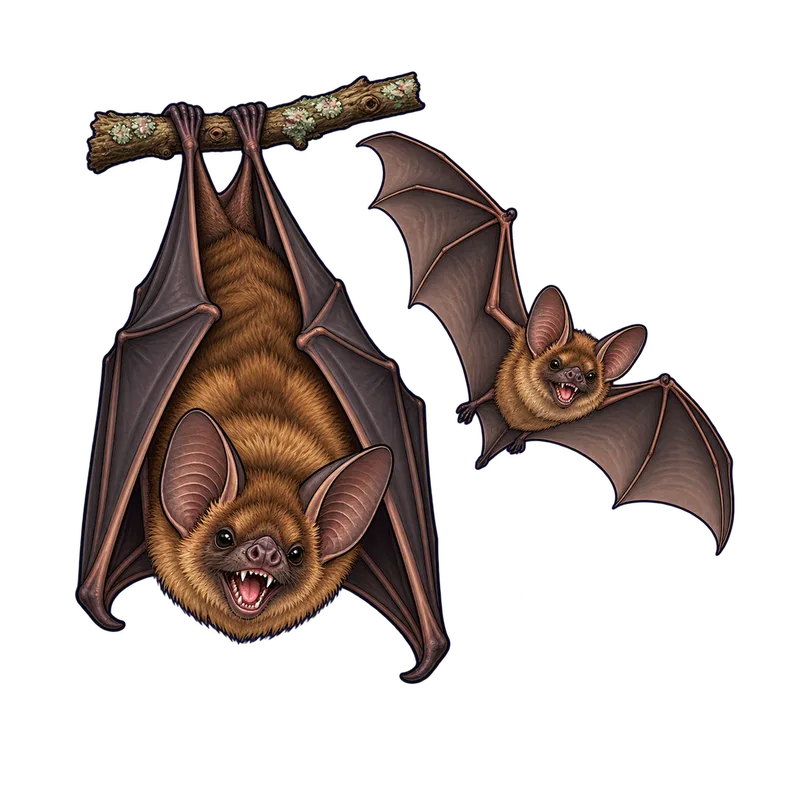
If you find a bat in your house, you should keep calm and isolate the animal in its current room by closing all interior doors. Open an exterior window or door to the dark night air, turn off the room lights, and step away so the bat can fly outside. If anyone or any pet had direct physical contact, immediately consult public health officials.
What is actually going on
Picture walking into your living room late at night, turning on the overhead light, and noticing a dark shape fluttering erratic circles near the ceiling. Your pulse jumps immediately. It is easy to assume the creature flew in with malicious intent or wants to attack, but the reality is much simpler and far less dramatic. A single bat indoors is usually just a confused juvenile or an adult that wandered through an open window, an unscreened chimney, or a soffit gap while chasing an insect or following a draft of air.
Finding a bat inside requires a calm head and a measured response, balancing structural care with public health precautions. The immediate priority is not to panic or reach for a broom, but to isolate the animal in its current room while you figure out whether anyone or any pet had direct physical contact with it. If the bat is flying around your den or bedroom, close all interior doors to keep it contained, open an exterior window or door to the dark night air, turn off the room lights, and step away. This gives the visitor a clear, peaceful path to navigate back outside on its own, much like a guest walking through a revolving exit door.
When the bat is resting quietly on a curtain or wall, the situation changes slightly. You must never attempt to handle, trap, or kill the bat with bare hands or household tools. Beyond basic wildlife protection laws, direct physical contact or unmonitored room sharing mandates immediate consultation with public health officials because of potential rabies exposure. If the creature was found in a room with a sleeping person, an unattended infant, or an intoxicated individual, you cannot safely rule out a bite or scratch, as bat teeth are extremely small and sharp enough to go completely unnoticed during sleep.
How to tell for sure
Identifying whether you have an accidental solo visitor or an established colony hiding in your home usually comes down to timing, numbers, and physical evidence around the property. A single bat appearing on a cool autumn evening or a warm summer night is often just a transient animal that slipped through a structural gap as small as a human thumb, measuring about one-quarter of an inch or six millimeters wide.
If you suspect a hidden roost in your attic, wall cavities, or chimney, look for clues that distinguish bats from mice or other household pests. Bat droppings, known as guano, consist of small tubular pellets that crumble easily under light pressure into shiny, metallic insect wing fragments. Unlike rodent scat, bat droppings never contain hair or seeds. You can also spot physical indicators outside at dusk by standing outside your home about thirty minutes before sunset to watch for emerging bats. Staining or oily rub marks around roofline gaps, soffits, or chimney flues usually point to an active entry point used repeatedly over time.
Do not assume that chemical repellents like mothballs or ultrasonic noise devices will solve the problem. These products lack scientific proof of long-term effectiveness and fail to provide the permanent physical barriers required to keep bats out of a structure.
What usually comes next
Once you have successfully nudged that solo bat out the door or confirmed nobody crossed paths with it, you are ready to think about permanent repairs instead of temporary patches or illegal moves. Picking up a bat and dropping it off at a local park is generally frowned upon by state wildlife agencies, and for good reason, since moving them stresses the animals out terribly and often spreads diseases.
Instead, keeping them out for good means crawling around and sealing every single gap, crack, and vent bigger than a quarter of an inch using sturdy stuff like stainless steel mesh, heavy silicone, and solid chimney caps. For a typical house, putting in a good stainless steel chimney cap is a worthwhile investment that protects your roofline for decades without breaking the bank.
If you are dealing with a maternity colony where females are busy nursing flightless babies, calendar timing becomes your main concern. State laws and common sense forbid you from sealing holes or shutting down roosts during the warm maternity season, which usually runs from mid-spring to mid-August, because trapping baby bats inside causes a terrible odor and a major pest problem. Once that sensitive window closes, licensed wildlife operators can install one-way doors that let bats fly out at dusk to hunt bugs while blocking them from crawling back into your attic.
When to get help
Some situations call for immediate backup from trained professionals rather than a do-it-yourself fix. If a person or a pet takes a bite, gets a scratch, or wakes up to find a bat sharing a bedroom, you need to call public health officials and a doctor right away.
Rabies treatment cannot wait around. People who might have been exposed generally need a thorough wash of the wound with soap and water, followed by a specific series of shots given by a medical professional. Since rabies is nearly always fatal once symptoms start showing up, getting a quick professional opinion on the risk is completely non-negotiable.
You will also want to hire a licensed pest control pro if you have a massive attic infestation, high rooflines that are unsafe to climb, or large piles of droppings to clear out. Cleaning up old, dry bat waste means wearing proper safety gear like an N95 respirator mask, disposable gloves, and boot covers, plus a careful misting of water to keep the dust down before you start sweeping.