
Why do bat or nesting-bird rules vary by location and season?
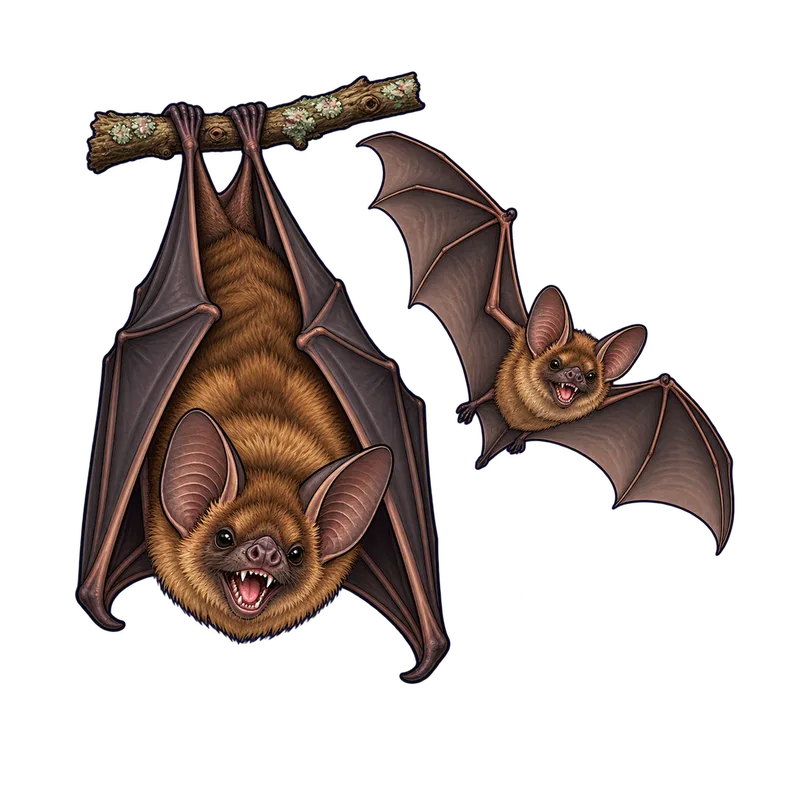
Bat and nesting-bird rules vary by location and season because wildlife management authority is split across different levels of government, and calendars are tied directly to animal reproduction cycles. Statutes block structural modifications during the warmer months so flightless young are not trapped and starved inside wall cavities.
What is actually going on
Picture standing in your kitchen on a warm June morning, listening to a faint scratching behind the drywall. Your first instinct might be to call someone to seal up that tiny hole under the eaves and be done with it. But if you try to do that right then, you are likely breaking the law and setting yourself up for a terrible mess. The reason bat and nesting-bird rules shift so drastically from one month to the next comes down to a hard clash between local bureaucracy and the raw biology of reproduction.
Wildlife management authority is split across different levels of government. Federal laws, state agencies, and city councils all write their own rulebooks. A rule that applies to a migratory songbird on a federal list does not necessarily match what your state wildlife department says about resident mammals. On top of that, calendars are tied directly to breeding cycles. When animals are raising flightless young, the rules tighten up completely.
Think of it like locking the front door of your house while you are out getting groceries, leaving your infant children stuck inside with no way to turn the handle. If someone installs an exclusion device or seals up a roof vent during the height of the maternity season, adult female bats or birds returning from a night of foraging are locked out. Their flightless young are left trapped inside. The adults panic outside, while the young starve and dehydrate. When those animals die in your wall cavities, you end up with a severe odor, secondary insect infestations, and a biological hazard right in your living space.
This is why statutes block structural modifications during spring and summer. In warm-climate regions, the statutory prohibition window for bat roost destruction runs through the warmer months, opening up later once the young have grown up and can fly on their own.
How to tell for sure
Figuring out what is living in your structure usually starts with careful observation rather than guesswork. You want to look for physical evidence without putting yourself in harm's way.
Check the exterior envelope of your building during late twilight. Sit outside for twenty minutes around sunset and watch the rooflines, gable vents, and chimney flashings. If bats are present, you will usually see them darting out in quick, erratic flights as they head out to forage. Birds, by contrast, tend to fly back and forth with nesting materials in their beaks during early morning hours.
Inspect the ground near exterior walls for droppings. Bat guano usually crumbles easily between gloved fingers because it is made of insect fragments, while rodent droppings are typically harder. Bird droppings often feature distinct white urates mixed with solid waste. You should also look closely at the size and shape of any structural gaps. A bat can squeeze through an opening as small as a half-inch or even a quarter-inch, while larger gaps usually point toward mice, squirrels, or larger nesting birds.
Remember that you can usually observe these exterior clues safely from the ground. However, if you are trying to tell the difference between closely related species or analyzing hidden nesting chambers deep inside an attic, that usually requires a professional wildlife specialist with the right diagnostic tools.
What usually comes next
Once you figure out what you are dealing with, timing becomes your main practical concern. Finding a maternity colony or an active bird nest in the middle of spring or summer usually means your best move is simply to wait.
Resist the urge to buy off-the-shelf chemical repellents, mothballs, or ultrasonic noisemakers. They rarely fix the root problem, and they often push stressed animals deeper into your living spaces or wall cavities. Focus instead on observation and monitoring rather than frantic, last-minute removal attempts.
Use the warmer months to map out entry points, cut back tree branches touching the building, and secure outdoor trash cans so you do not invite more wildlife to move in. Wait for the legally designated window in late autumn or winter when the roosts are empty and the young animals can fly away. Once that seasonal window finally opens, you can safely install one-way exit doors and seal up secondary structural gaps using heavy-duty materials like copper mesh and silicone caulk.
Living in a region with strict relocation limits, where live-trapped animals cannot simply be released on private land or public property without written permission, means you need to coordinate your next steps carefully with local wildlife regulations.
When to get help
Certain situations mean standard patience and seasonal waiting no longer apply, and you need to bring in professional help right away.
Finding a bat inside your living space when direct physical contact with a person or pet cannot be ruled out means health protocols override standard wildlife protection rules. Do not release the animal. Contact local public health authorities or animal control immediately to evaluate the situation for rabies exposure and determine if laboratory testing is required.
Professional intervention is also necessary when dealing with heavy accumulations of animal sign. Cleaning up old bat guano or a raccoon latrine is not a weekend gardening chore. Standard household bleach does not destroy raccoon roundworm eggs. Those microscopic eggs require extreme heat, such as boiling water or specialized flame treatments, to become neutralized. Handling these biohazards safely requires certified personal protective equipment, including a fit-tested particulate respirator, rubber boots, and disposable coveralls.
Finally, if your property involves steep structural heights, complex commercial roofs, or strict seasonal boundary dates where a single miscalculation could violate state or federal laws, hiring a licensed Wildlife Control Operator with proper liability insurance is always the safest path forward.