
What should you avoid doing after possible bat contact in a bedroom?
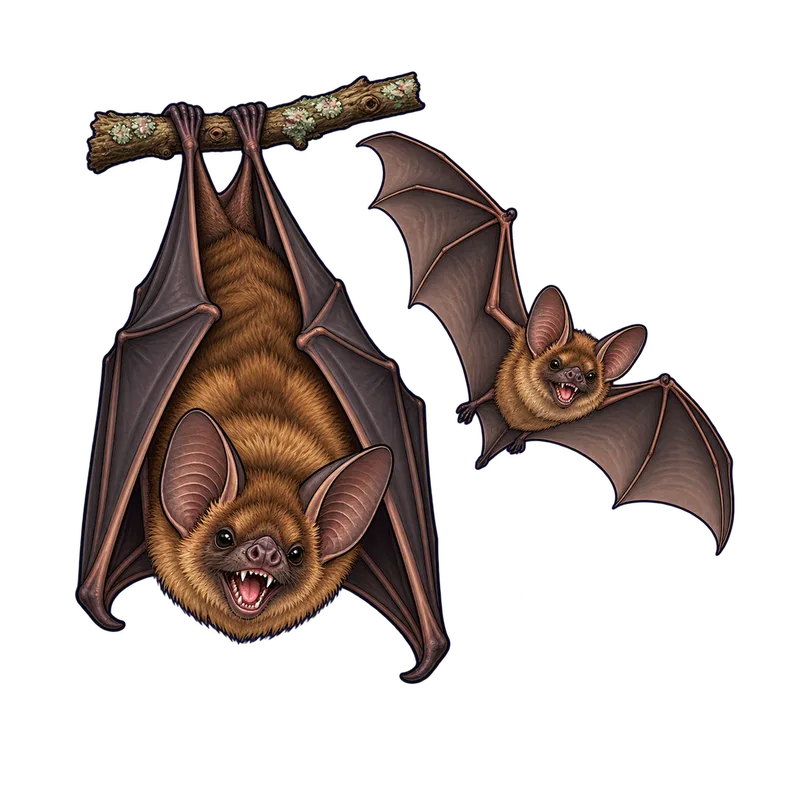
After possible bat contact in a bedroom, you must avoid releasing or swatting the animal, assuming lack of visible bite marks means you are safe, touching the creature with bare hands, attempting illegal trapping or roost destruction, or delaying public health consultation. Laboratory testing requires intact brain tissue, so releasing or smashing the bat makes testing impossible.
What is actually going on
Picture waking up at two in the morning to a faint fluttering sound near the ceiling fan. You turn on the bedside lamp, and a small, leathery creature is looping in circles around your bedroom. It is easy to panic, throw a pillow at it, or fling open the front door and try to sweep it out with a broom. If that bat was discovered in a room where someone was sleeping, an infant was left unattended, or an adult was heavily intoxicated or impaired, you need to hit the brakes on your instincts immediately. What should you avoid doing after possible bat contact in a bedroom? You must avoid releasing or swatting the bat, assume a lack of visible bite marks means you are safe, touch the animal with bare hands, attempt illegal trapping or roost destruction, or delay consulting public health authorities.
Why does a simple bedroom visitor demand such a strict reaction? Because bats carry the rabies virus, which transmits through direct contact between infectious saliva or nervous tissue and broken skin or mucous membranes. Bat teeth are tiny and needle-sharp, meaning a bite can happen during a deep sleep without waking the victim or leaving an obvious mark. You cannot rely on a visual inspection of your skin to rule out exposure. When a bat is loose in a bedroom with a sleeper, public health officials must treat the situation as a potential rabies exposure until proven otherwise.
This brings us to the single biggest operational mistake homeowners make. Never release the bat outdoors and never swat it in a way that crushes its head. Definitive animal rabies testing requires intact brain tissue. If you let the bat fly away or smash its skull with a tennis racket, laboratory testing becomes impossible. When a specimen cannot be tested, public health guidelines usually obligate officials to recommend a full, multi-dose human rabies post-exposure immunization series for everyone who was in the room. Capturing the bat intact so it can test negative is the only way to spare exposed occupants from an invasive series of shots.
How to tell for sure
Identifying whether an exposure actually occurred usually depends on context rather than physical clues. If a fully awake adult watches a bat fly through an open window and can definitively confirm that no physical contact took place before it flew back out, public health authorities can often rule out an exposure. But if the person was asleep, unconscious, or too young to communicate, you cannot assume safety.
You should also know the difference between actual contact and harmless traces. Casual contact, such as touching fur, blood, urine, or bedding, carries zero risk of rabies transmission. A common point of confusion involves finding mysterious droppings on the windowsill or floor. Bat guano usually appears as small, dark, tubular pellets. If you press a dry pellet under a light lens, it crumbles easily into fine, shiny chitinous fragments made from digested insect wings. Rodent droppings remain hard and fibrous without that glittering insect residue. Remember that a guano pile or a stain on a pillowcase does not mean a bat touched you, but it does mean you have an active wildlife presence overhead that needs a professional eye.
What usually comes next
Once you isolate the bedroom by closing the door and stuffing a rolled-up towel under the gap to keep the animal contained, you usually have to make a practical choice about the bat itself. If public health officers advise capturing the animal for testing, you must wear thick, heavy leather work gloves. Wait until the bat lands on a flat surface, place a rigid plastic container or bucket over it, slide a piece of cardboard underneath, and tape it securely. Make sure the container has tiny breathing holes and that you handle the box gently so you do not damage the skull.
If the bat was just passing through an empty room, or once local health authorities clear you, your next headache is usually structural. Bats can squeeze through gaps as small as a human thumb, often entering through small spaces around chimney flues, roof vents, or damaged fascia boards. If you discover bats roosting in your attic, you cannot simply seal the entry holes whenever you feel like it. Blocking roosts during maternity season, which typically spans from mid-April to mid-August in warm regions, traps flightless bat pups inside to starve. That causes severe odor problems, attracts other pests, and breaks wildlife laws. Non-lethal exclusion using one-way doors is restricted to specific legal windows in the fall and winter months, and it is usually a job for a licensed wildlife control operator.
When to get help
You need to involve public health authorities immediately whenever a bat is found in a room with a sleeping person, an unattended child, or an impaired individual, or if direct physical contact occurred. Local public health veterinarians will evaluate the situation, arrange for the bat to be tested if it was captured safely, and determine whether a post-exposure immunization series is necessary.
Seek urgent emergency medical evaluation if you experience fever, headache, weakness, itching at a former contact site, anxiety, or difficulty swallowing following any animal contact. Once clinical symptoms of rabies appear, the disease is nearly one hundred percent fatal, making timely medical guidance non-negotiable. For structural issues like colonies living in your attic or walls, contact a licensed pest management professional or wildlife control operator. They ensure that any exclusions comply with state wildlife regulations and seasonal cutoffs, keeping your home secure without breaking the law or endangering local wildlife populations.