
Why can bat exclusion depend on season and local law?
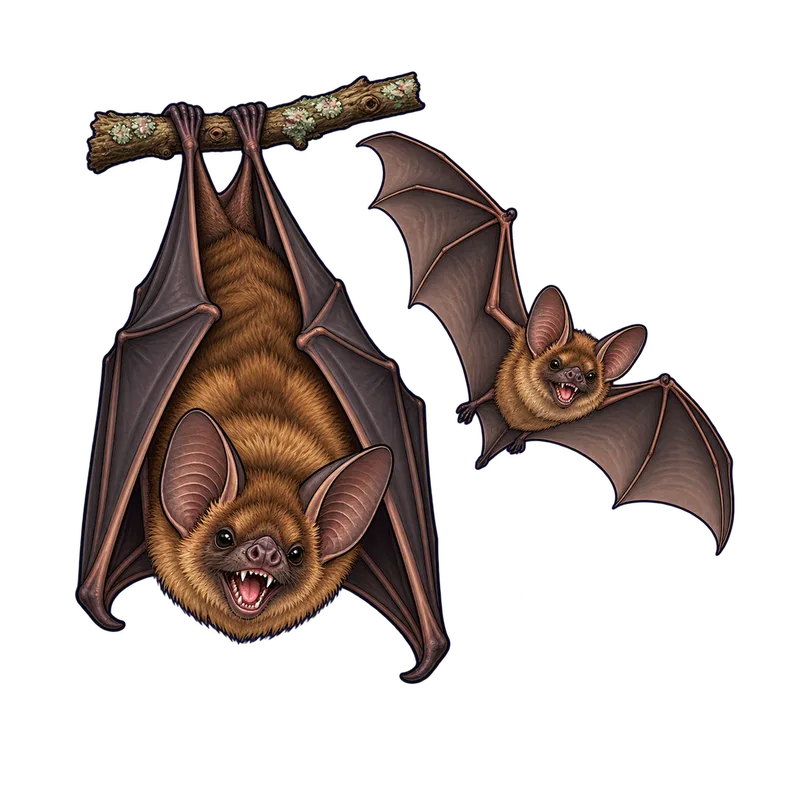
Bat exclusion depends on season and local law to protect flightless newborn pups during late spring maternity season and to comply with state wildlife conservation agencies that make harming native bat species illegal. State regulations typically require exclusions to happen only in fall and early winter when young bats can fly independently.
What is actually going on
Picture standing in your backyard on a warm evening in late May, sipping iced tea while watching a few small, dark shapes dart silently past the roofline. It looks harmless enough until you realize they are coming straight out from behind your wooden fascia boards. Your first instinct might be to grab a tube of caulk the very next morning and seal those gaps before the colony grows. Doing that in May, however, is a wildlife disaster waiting to happen. An attic maternity colony acts much like a hospital nursery. Adult female bats gather in these warm structural spaces during late spring to give birth, and because newborn pups are completely flightless for weeks, they stay behind while their mothers forage for insects at dusk. Sealing the attic during these months effectively locks the nursery doors from the outside. The mothers are shut out, and the flightless pups starve inside the walls.
That grim outcome is precisely why bat exclusion depends heavily on the season and local law. State wildlife conservation agencies protect all native bat species year-round, making it illegal to harm, trap, or kill them. Beyond animal welfare, sealing a roost during the maternity season leaves you with trapped, decomposing baby bats inside your living spaces, creating overwhelming foul odors and drawing secondary insect infestations. To prevent this, technical standards and wildlife regulations require exclusions to happen only during specific calendar windows, typically in fall and early winter, when the young bats are fully capable of independent flight and before pregnant females cluster back together.
How to tell for sure
Before you even think about an exclusion timeline, you usually need to confirm what is actually living in your attic. Bats leave distinctive clues, but mistaking them for mice is easy if you do not look closely. Start by looking for accumulated droppings directly under the main exit gaps on your roofline or inside the attic space.
You can run a simple test without touching the material with your bare hands. Take a piece of cardboard or a rigid tool and apply gentle pressure to a dry dropping. Mouse droppings are hard, fibrous, and packed with ingested hair, while bat guano crumbles almost instantly into a fine, dry dust. If you look closely, you will usually see tiny, shiny, reflective fragments of insect wings and exoskeletons sparkling in the light.
You can also confirm active roosts by running a dusk vigil. Sit outside about thirty minutes before sunset and watch the suspected roof intersection for about an hour. Counting the number of bats fluttering out into the twilight gives you a reliable map of their primary exit points without disturbing them.
What usually comes next
Once you confirm the visitors are bats and the calendar safely lands inside your local allowable window, the work shifts to physical prevention rather than trapping or chemical spraying. You never want to attempt live trapping or relocation, which is both illegal in most jurisdictions and fatal to the animals. Instead, professional wildlife control relies on permanent exclusion using one-way valves.
The process usually begins by sealing all secondary gaps and cracks across the structure that are larger than one-quarter of an inch using heavy-duty silicone, metal flashing, or hardware cloth. Next, technicians install flexible mesh tubes or cone-shaped netting over the primary exit holes you spotted during your dusk watch. These devices act like a stadium turnstile, allowing the bats to drop out easily at night to hunt but blocking them from gripping the surface to crawl back inside at dawn.
You typically leave these one-way devices in place for three to five consecutive nights of good weather to ensure every single bat has departed. Only after confirming zero emergence do professionals remove the tubes and permanently seal the final primary exits. Avoid reaching for mothballs or sonic repellents, because chemical fumes do not provide permanent control and using registered pesticides against bats inside human dwellings violates product labels.
When to get help
Some situations demand stepping back and handing the job over to a licensed professional or calling public health authorities immediately. If a bat enters your actual living space, such as a bedroom or family room, closing interior doors to confine it and opening a window usually lets the animal find its own way out.
If there is any chance of direct physical contact, however, such as waking up to find a bat in a room with a sleeping child, do not release the animal. Capture it safely if local guidelines allow, or contact your local public health department right away for rabies testing and post-exposure prophylaxis assessment. Bats are high-risk rabies vectors, and any potential exposure requires urgent medical evaluation.
You should also bring in a licensed wildlife control operator if the bats occupy complex architectural spaces like barrel tile roofs or multi-story soffits, or if you need an emergency out-of-season exclusion permit due to a severe public health hazard in a commercial or residential building. Whenever you enter an attic with heavy guano deposits, always wear a properly fitted particulate respirator and protective gear to avoid inhaling fungal spores that cause respiratory illness.