
What affects the cost of bat removal from an attic?
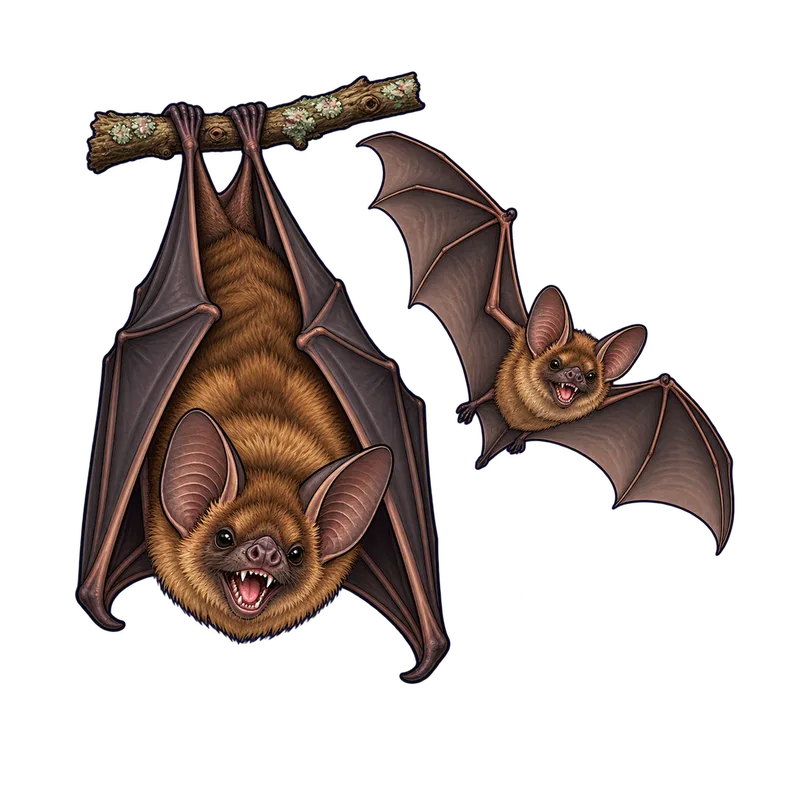
The cost of bat removal from an attic is driven by structural entry point sealing complexity, bat colony size and roost accessibility, and required multi-step passive one-way exclusion labor. The final price also depends on legal seasonal restriction windows, attic sanitation and guano cleanup requirements, and professional licensing and insurance overhead.
What is actually going on
You look up at the roofline on a crisp Tuesday evening and notice a small dark shape darting out from behind the fascia board, then another, and another, until it feels like a steady stream of airborne shadows leaving your attic. Right after that realization comes the uneasy question of what this is going to cost you to fix. The cost of bat removal from an attic is driven by structural entry point sealing complexity, bat colony size and roost accessibility, required multi-step passive one-way exclusion labor, legal seasonal restriction windows, attic sanitation and guano cleanup requirements, and professional licensing and insurance overhead. Because every roof is built differently and wildlife laws change depending on the calendar, there is no flat fee or universal price tag you can look up in a catalog.
Picture standing in your yard with a flashlight after dinner, trying to trace where those little flyers are squeezing in. You might assume a bat needs a gaping hole to get inside, but a bat can slip through any gap as narrow as a human thumb, which is roughly one-fourth of an inch. That means every warped soffit board, loose ridge cap, flashing separation, and chimney gap acts as an open invitation.
When a professional wildlife control operator assesses your roof, they are not just looking at one hole. They have to map every single secondary vulnerability across the entire roofline. If they install a one-way exit door on the main escape route but leave a gap the size of a coin two feet away, the bats simply crawl over and move right back in. That labor-intensive inspection and meticulous sealing process forms a major part of the bill.
The size of the colony and where they are roosting inside the attic also dictate the invoice. A dozen bats hanging near a gable vent take far less time to manage than a massive maternity colony tucked deep inside complex roof intersections or tile roofs. If the technicians need multi-story ladders, scaffolding, or specialized lift equipment to reach steep, high pitches safely, the labor costs climb accordingly.
You also cannot bypass the calendar. Wildlife protection laws enforce strict time-bound work windows. If you happen to live in a region where local rules protect breeding colonies during the spring and summer, no one is legally allowed to seal your attic during that window, meaning project timing can shift your plans and your budget. Finally, if the attic floor is buried under years of accumulated droppings, specialized remediation and sanitation add another layer of work to the final quote.
How to tell for sure
Spotting a bat outside at dusk is common, but confirming an attic infestation usually relies on a few distinct signs. You will usually notice a faint scratching sound in the ceiling right around dawn as the animals return from feeding and settle down to sleep. You might also catch a distinct musky, earthy odor near attic access hatches.
The most reliable physical evidence sits on the attic floorboards or window sills. People often confuse bat droppings with mouse scat, but a simple test sets them apart. If you take a piece of the dropping and press down with a stick or a gloved finger, bat guano usually crumbles easily into tiny, shiny fragments. Under magnification, those tiny bits look like metallic insect parts because bats eat hard-shelled bugs all night. Rodent droppings, by contrast, stay hard and fibrous when crushed.
Before anyone seals an attic, professionals usually perform a dusk watch. They sit outside at sunset, count the emerging bats, and map every primary exit point. They often place lightweight movement indicators, such as crumpled newspaper or strips of tape, over suspected gaps. If those indicators remain undisturbed for three consecutive days of fair weather, it usually signals that every animal has cleared out.
What usually comes next
Once you realize bats have moved in, your most pressing choice involves figuring out how to handle the exclusion process safely and legally. You can safely skip the hardware store shortcuts. Chemical poisons and lethal baits for bats do not exist, and traps are either heavily restricted or outright illegal in many states. Ultrasonic sound emitters and store-bought mothballs also fail to solve the problem, usually just driving the animals deeper into a wall cavity while wasting your hard-earned money.
The only approved method is passive exclusion. This means installing one-way exit valves or netting over the primary holes so bats can leave at night to hunt but cannot get back inside, while sealing every secondary gap across the entire roofline.
When you hire a professional wildlife control operator, make sure to verify their liability insurance, state wildlife permits, and references before signing any service agreement. You can also evaluate long-term value the same way you look at ordinary home improvements. For instance, installing a sturdy stainless steel chimney cap might run a couple of hundred dollars upfront, but when you prorate that expense over a twenty-year lifespan, it breaks down to a very modest annual investment to keep your flue permanently sealed against future wildlife.
When to get help
There are moments when a do-it-yourself approach or waiting out the season is out of the question, and you need to bring in outside help immediately.
If a bat makes its way into your living space and is found in a room where someone was sleeping, a child was playing, or an adult was incapacitated, do not try to catch it with your bare hands. Bats are primary rabies vector species, and rabies is a fatal viral disease. You need to contact your local public health authority or clinician right away to evaluate whether you need post-exposure medical treatment. If you ever have to handle a dead or contained bat for laboratory testing, always use heavy gloves and a rigid container.
You also need professional assistance when structural work exceeds safe physical limits. Climbing multi-story ladders or walking on steep, damp roofs invites dangerous falls. Leave the high-altitude sealing to insured crews who carry proper safety harnesses and lifting gear.
Regulatory agencies step into the picture regarding seasonal timing. If an attic colony establishes itself during the protected spring and summer maternity season, sealing the building is strictly illegal because it traps flightless young inside to starve and decay. If an urgent health hazard arises during that restricted window, you cannot act on your own. You must contact your state wildlife agency to request a specialized evaluation and emergency guidance before any work can take place. Finally, when tackling heavy guano cleanup in a confined attic, do not sweep the dry dust. Put on a National Institute for Occupational Safety and Health approved N95 respirator, disposable coveralls, and gloves, and mist the droppings lightly with water to keep spores out of the air before removing them.