
Are leopard slugs poisonous?
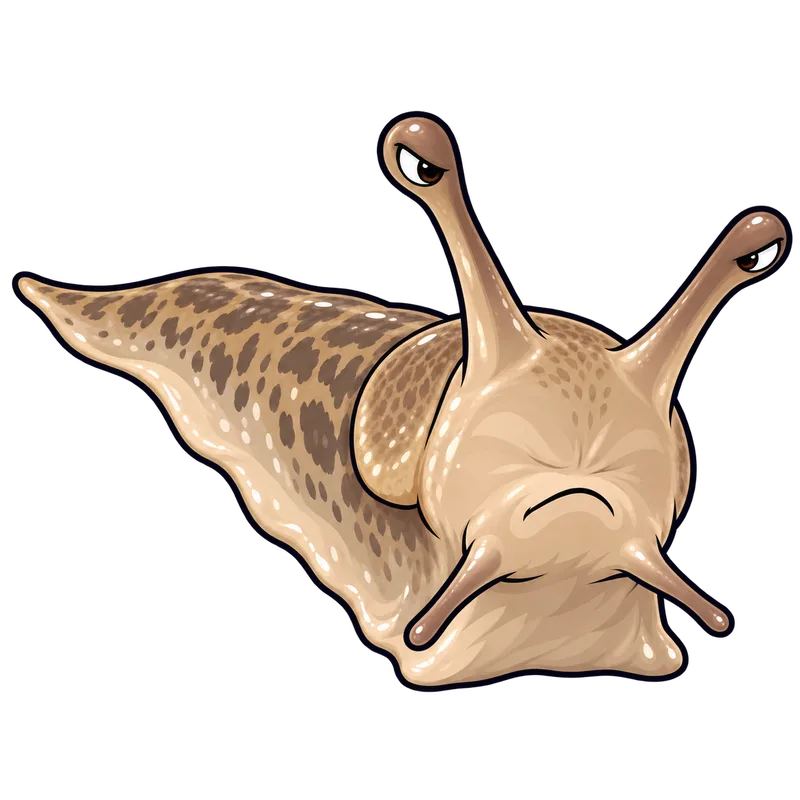
No, leopard slugs are not poisonous and lack any fangs, stingers, or venom to harm human skin. Touching these mottled grey garden pests only transfers a sticky defensive mucus, which washes off safely with soap and water.
What is actually going on
You are walking out to your garden with a cup of coffee just after sunrise, and you notice a massive, mottled grey slug stretching its glistening body across your favorite hosta leaves. It looks like something straight out of a prehistoric swamp, and your first thought is probably whether touching the slimy creature will land you in the hospital. Can that patterned visitor actually poison you?
The short answer is no. Leopard slugs, along with every other terrestrial slug you will find in your yard, are completely non-venomous and lack any sort of biting apparatus, fangs, or stingers to inject toxins into human skin. They feed using a specialized rasping ribbon of microscopic teeth called a radula, which is designed for scraping tender plant tissue and organic debris rather than piercing flesh.
When you accidentally brush against one and end up with that sticky, clear-to-amber mucus on your fingers, you are dealing with a defensive slime layer rather than a chemical weapon. While washing your hands thoroughly is always a smart move after touching garden wildlife, skin contact alone does not cause poisoning or envenomation. Specific physiological or parasite data regarding leopard slugs can vary, but their baseline lack of venom remains a constant fact across ordinary residential encounters.
The real danger associated with slugs usually comes from how people try to get rid of them rather than the animals themselves. Traditional synthetic bait pellets used in gardens often contain harsh chemicals that pose a severe poisoning hazard to curious dogs, cats, and local wildlife. Slugs are essentially harmless flesh-and-slime packages, but the management strategies we throw at them can turn a quiet flower bed into a real hazard zone.
How to tell for sure
Leopard slugs usually stand out from other garden pests because of their sheer size and distinct markings, growing quite long with a yellowish-grey body covered in dark spots and blotches that resemble a cat or leopard pattern. They tend to hide during the dry daylight hours under damp wooden boards, large rocks, inverted flower pots, or dense piles of fallen leaves where moisture stays locked in.
Distinguishing them from venomous creatures is straightforward because land slugs do not possess any of the physical traits found in dangerous wildlife, such as fangs, stingers, bright warning colors meant to signal lethal toxicity, or rigid exoskeletons. You will usually find them leaving behind a faint, shimmering silvery trail of dried mucus on paving stones or foliage as a calling card of their nocturnal travels.
If you stumble upon a large gastropod that matches this description, you are almost certainly looking at a harmless detritus feeder rather than a biological hazard. Dust-based desiccants like diatomaceous earth often fail to stop them outdoors under humid conditions, making physical inspection a more reliable way to confirm what is crawling through your garden beds.
What usually comes next
Since handling a leopard slug will not poison you, your main choice involves how to manage them without accidentally hurting your family pets or local wildlife along the way. When you decide to use commercial bait to protect your vegetables, you generally need to pick between traditional chemical options and safer mineral alternatives.
Choosing an iron phosphate bait is usually the smartest practical step for a residential yard shared with dogs, cats, or backyard poultry. This mineral-based stomach poison interferes with the calcium metabolism in the slug digestive tract, causing them to stop eating right away and crawl away underground to die quietly over the span of 3 to 5 days.
To get that bait to work efficiently, you want to scatter the granules thinly and evenly across damp soil in the late afternoon instead of piling them into thick mounds that might attract a curious pet. You also need to keep the area dry overnight after putting the bait down, because soaking the ground with heavy overhead watering immediately will dissolve the bait matrix and ruin its effectiveness.
When to get help
If a human accidentally swallows a chemical slug bait containing synthetic toxins like metaldehyde, or if someone develops an unexplained, severe reaction after handling garden pests, you must immediately contact a licensed clinician, urgent care facility, or your local Poison Control Center. In the United States, you can reach Poison Control directly at 1-800-222-1222 for emergency guidance.
Pets face an even narrower margin of safety when dealing with synthetic garden chemicals. If you suspect that a dog or cat has eaten metaldehyde slug pellets, treat it as an immediate veterinary emergency, because ingestion can trigger severe muscle tremors, high body temperature, and dangerous seizures that require prompt medical intervention.
When you encounter unusual, extremely dense, or suspected invasive slug populations that you cannot identify with local extension resources, avoid guessing. Preserve a physical specimen in 70% isopropyl alcohol and submit it to a university extension diagnostic laboratory or a state department of agriculture specialist for proper identification.