
How do you prevent slugs in a garden?
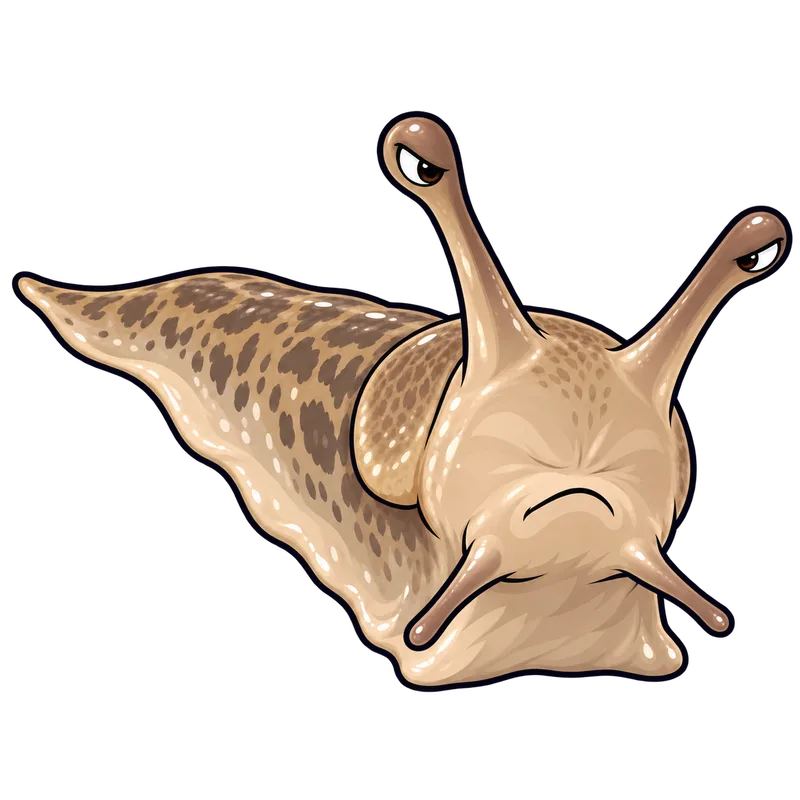
Prevent slugs in a garden by removing their daytime hiding spots like rocks and logs, and by keeping heavy mulch pulled back from plant stems. You also need to manage moisture by switching to targeted drip irrigation or watering early in the morning so the soil surface bakes dry before nightfall.
What is actually going on
You walk out to your garden with your morning coffee, squat down to inspect your prized hostas, and find that someone has taken a hole punch to the leaves. There are ragged edges everywhere, accompanied by those unmistakable, silvery slime trails glistening in the morning light. You know immediately that slugs have moved in, and if you do not do something fast, your vegetable patch will not produce much of a harvest this season. Slugs are essentially land-dwelling snails without shells, which means they lack any natural armor to protect their soft, moist bodies from the elements.
To keep from drying out under the sun, slugs spend their days tucked away in dark, damp microclimates. That thick layer of organic mulch you laid down around your perennial bed, the stack of leftover firewood leaning against the garden fence, or a flat stone left sitting on the dirt all act like a luxury shaded hotel for these pests. When you want to prevent slugs in a garden, the single most important step is ruining their real estate. You have to remove their daytime harborages by clearing away rocks, logs, and dense weeds, and by keeping heavy mulch pulled back a few inches from the direct stems of your plants.
Along with cleaning up their favorite hiding spots, managing moisture is essential because slugs cannot survive without high humidity and ambient water. Switching your watering routine from overhead sprinklers to targeted drip irrigation, or watering early in the morning so the soil surface bakes dry before nightfall, makes a huge difference. Without constant moisture and a dark place to sleep off the daylight hours, slugs struggle to reproduce or even cross open soil. Cultural sanitation and microclimate drying form the foundation of any real prevention plan, cutting down the population before you ever need to think about buying a product.
Slugs are terrestrial gastropods that depend completely on ambient moisture to keep their unarmored skin from drying out. When the sun comes up, they need immediate shelter from the drying rays, which is why they seek out deep shade, high humidity, and damp soil underneath organic debris. In a typical backyard, this means they crawl beneath piles of leaves, dense ground cover, boards, or thick mulch layers right next to your valuable crops. If you leave these microclimates intact, you are essentially rolling out the red carpet for them to overwinter, breed, and launch nightly raids on your tender vegetable seedlings.
How to tell for sure
Before you start tossing out bait or setting traps, you usually want to make sure you are actually dealing with slugs rather than caterpillars, earwigs, or beetles. Slugs leave behind a distinctive calling card that insects rarely match, which is the shiny, dried mucous trail that glistens across the soil, paving stones, and damaged leaves. If you see ragged, irregular holes chewed right through the middle of leaves or completely devoured seedlings overnight, but you cannot find a single bug in sight during the daylight hours, you are almost always dealing with nocturnal gastropods.
What usually comes next
Once you realize you have an active slug problem, you usually have to decide whether your current damage level calls for physical trapping or a targeted bait. If you only spot a few nibbled leaves, you can skip the store entirely and rely on evening handpicking or simple board traps. Placing a few short sections of lumber or even inverted grapefruit halves on the damp soil between your rows creates an artificial shelter. When you check underneath those boards each morning, you will usually find a collection of slugs waiting out the sunrise, ready to be dropped into a bucket of soapy water or 70% isopropyl alcohol.
There are also biological and chemical tools to consider when numbers get higher. Toads represent the most important natural predator for slugs in home gardens, which is why avoiding broad-spectrum chemical sprays helps keep these helpful amphibians around. When you need a chemical push, iron phosphate bait acts as a stomach poison that stops feeding immediately. The slug crawls underground and dies within 3 to 5 days, which means you might not see surface corpses right away. If you use metaldehyde pellets instead, you have to scatter them lightly and evenly on moist soil around established plants at a rate of 1 pound per 1,000 square feet. You must never place metaldehyde directly on edible foliage, and you cannot irrigate the area for 24 to 48 hours afterward so the bait stays intact. Keep in mind that carbamate baits like Mesurol are strictly prohibited around food crops and belong only in non-food ornamental settings.
When to get help
There are times when a backyard slug problem goes beyond what you can handle with a flashlight and a bucket of soapy water, and knowing when to step back is part of keeping your property safe. If you manage a large commercial agricultural operation, a massive greenhouse, or a sprawling nursery where slug populations threaten thousands of dollars in crops, you should bring in a licensed pest control professional. Professionals have access to specialized application equipment and advanced management strategies designed for large-scale production systems where household methods simply cannot keep up.
You also need to pay attention to environmental boundaries and safety regulations. If your garden beds sit directly adjacent to a protected wetland, a natural stream, or a public drainage ditch, you must be extremely careful with any chemical applications. Pesticide runoff into open bodies of water can cause severe ecological damage, and local environmental agencies strictly regulate what you can apply near aquatic buffers. Furthermore, if you or a family member ever experience an accidental pesticide ingestion or a severe chemical exposure from handling concentrated bait products improperly, do not guess at the treatment. Immediately contact your regional Poison Control center, an urgent care facility, or a medical clinician for professional guidance.