
How do you get rid of slugs on hostas?
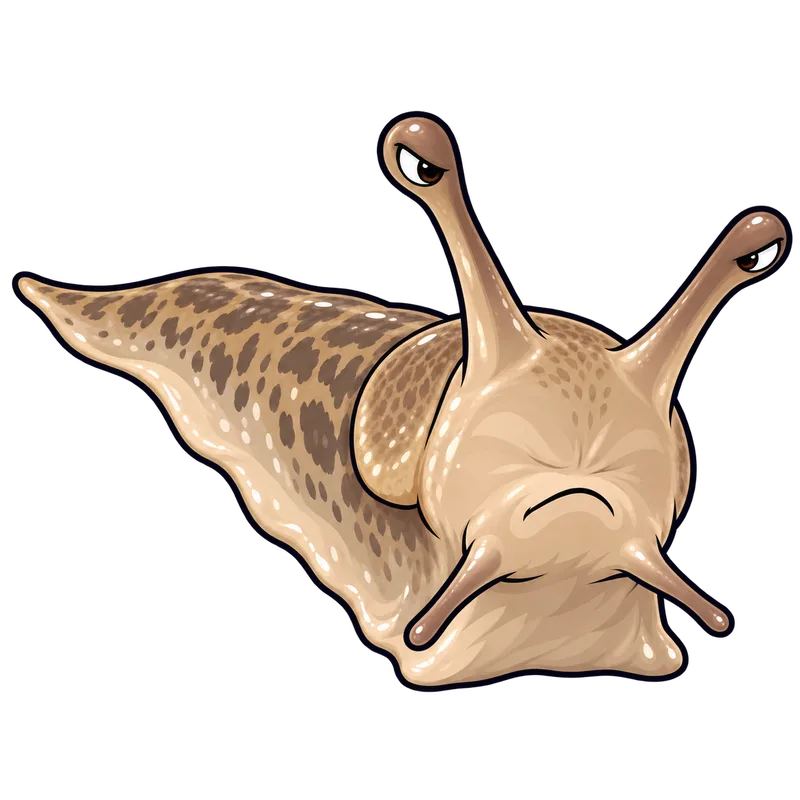
Getting rid of slugs on hostas requires a mix of cultural changes, mechanical removal, and safe baiting since these soft-bodied pests hide under mulch by day and graze on leaves at night. You can clear them out by pulling back heavy mulch, watering early in the morning, handpicking them after sunset, or using safe iron phosphate pellets.
What is actually going on
You walk out to the garden with your morning coffee, crouch down by your favorite hosta, and freeze. The lush blue-green leaves you spent all spring nurturing look like green lace, because every single blade is riddled with ragged, irregular holes, and a dried, silvery path glistens across the soil. You are not dealing with a shy insect that vanishes the second you part the foliage. You are dealing with slugs, and those generous, low-hanging hosta leaves are essentially an all-inclusive resort with room service.
Getting rid of slugs on hostas takes more than a single spray or a quick fix because these creatures are basically walking water balloons with eyes. Without a hard shell or an exoskeleton to protect them, they are entirely at the mercy of moisture. They cannot survive the heat of a sunny afternoon, so they spend the daylight hours hiding under your mulch, flat stones, or the dense, shaded canopy right beneath your hosta crowns. When the sun goes down, they emerge to graze on your plants, rasping away at the tender tissue with a file-like tongue until nothing is left of your landscaping efforts.
The most effective way to clear them out is not by hunting for a miracle chemical. Instead, you need to rely on a mix of cultural changes, mechanical removal, and safe baiting if the population gets out of hand. Slugs need dampness to thrive, so your primary goal is to take away their daytime hiding spots and dry out their environment. Once you make the area less welcoming, picking off the survivors becomes much easier.
You will usually know you have a slug problem by the calling cards they leave behind rather than catching them in the act. They are soft-bodied, legless creatures that usually range in color from light gray to dark brown or black, stretching anywhere from 10 to 50 mm long. If you turn over a leaf or move a clump of mulch on a damp morning, you might spot one tucked out of sight. More often, though, you will just see the unmistakable damage.
Slug feeding damage looks like jagged, uneven holes chewed right through the middle of the leaf or along the edges, leaving behind distinct mucus trails that dry into a shiny, silvery film. People often confuse this with caterpillar or beetle damage, but caterpillars usually leave small droppings behind, and beetles chew in different patterns. If you see clean leaf edges accompanied by a slick, glossy trail, you are dealing with gastropods.
Pinpointing the exact species usually requires professional help or a microscope, but for garden control, you do not need to know the family tree. Whether it is a common gray field slug or a larger forest visitor, the way they feed and the way you manage them remains largely the same. If your hostas are losing their aesthetic value to ragged holes and slime, you have all the confirmation you need to start treatment.
How to tell for sure
Once you figure out what is eating your plants, you have to decide whether you want to spend your evenings handpicking pests or if you need an easier fix. If you only have a few hostas and like puttering around the yard after dinner, you can skip buying any commercial treatments altogether. Start by pulling back heavy mulch, fallen leaves, and weeds right against the stems so those creatures lose their cool, damp places to hide when the sun comes up.
Next, shift your watering routine. Turn on the sprinklers early in the morning so the dirt and the foliage dry completely before dark, cutting off the wet highways they use to travel. If you want to catch them in the act, grab a flashlight after sunset and pluck them straight off the leaves, dropping them into a bucket of soapy water. You can also lay down simple traps like upturned flower pots or old boards, then scoop up the ones hiding underneath every morning.
When your hostas take up a huge garden bed or the sheer number of pests makes handpicking impossible, you can turn to safer baits. Iron phosphate pellets work well because they stop the creatures from eating almost right away, and they die a few days later. These baits pose very little risk to pets and local wildlife, making them much simpler to use around a busy yard than older chemical options like metaldehyde, which demand strict care around dogs and cats.
What usually comes next
Sometimes garden pests turn from a small nuisance into a problem that calls for careful oversight. If you decide to use standard synthetic baits containing metaldehyde to clear out a massive wave of pests, safety has to come first. Metaldehyde is extremely poisonous to dogs, cats, and native wildlife. When a house pet swallows the pellets, signs often include heavy drooling, muscle shakes, seizures, and trouble breathing. If you think your pet got into the bait, call an emergency vet or animal poison control center right away.
When to get help
You also need to recognize when it is time to bring in a professional lawn service. If your hostas get chewed down to the stems year after year even after you clear away debris, pick them off by hand, and try safer baits, an extension agent or commercial applicator can check if root problems or plant diseases are making things worse. Remember to never scatter any pesticide or bait near storm drains, creeks, or garden ponds where rainwater can wash it into waterways and hurt fish or frogs. Leave large-scale treatments to a licensed professional if you manage an extensive property or a public park where local rules require specialized gear and expert supervision.