
What are black slugs?
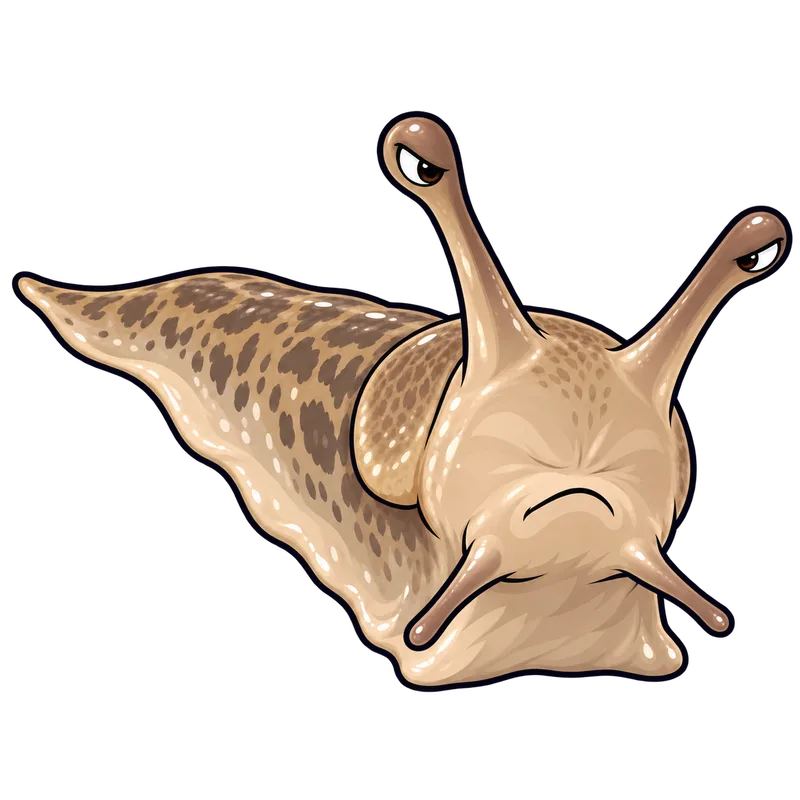
Black slugs are soft-bodied, shell-less mollusks that belong to the same broad family as snails and clams. These moisture-loving creatures spend daylight hours hiding in cool damp places and emerge at night to feed on plant foliage, stems, and fruits, leaving behind slimy silver trails and ragged holes in leaves.
What is actually going on
You walk out to the garden early in the morning with your coffee, proud of the prize hostas or strawberries you planted last weekend, only to find the leaves shredded with ragged holes and slimy silver trails shimmering across the dirt. You flip over a rounding stepping stone or a stray piece of timber and find a soft, dark, glistening body tucked safely out of sight. You are looking at a slug, a moisture-loving creature that treats your damp garden beds like a continuous buffet.
At their core, slugs are soft-bodied, shell-less mollusks belonging to the same broad family as snails and clams. Because they lack a hard external armor to protect them from the sun and dry air, they are entirely dependent on moisture to survive. They spend daylight hours hiding away in cool, damp microclimates like soil crevices, beneath heavy mulches, or under the undersides of rocks and logs, much like a beachgoer desperately seeking shade under an umbrella on a scorching afternoon.
When darkness falls and humidity rises, they emerge to feed on plant foliage, stems, and fruits. They move by gliding along on a muscular foot, lubricating their path with a sticky mucus secretion that dries into those familiar silvery tracks. While gardeners often lump them together as a single nuisance, these polyphagous pests, which means they eat a wide variety of plants, can devastate everything from tender spring seedlings to ripening fruit if left unchecked.
How to tell for sure
Spotting a slug usually does not require a magnifying glass or a degree in entomology, but telling them apart from other garden critters comes down to a few distinct physical traits. They usually feature an unsegmented, elongated, and soft body that feels slimy to the touch, and they lack legs, biting mouthparts, or wings. Instead, they carry two pairs of retractable tentacles on their head, with the upper pair bearing eyes and the lower pair used for sensing their environment.
You can usually confirm you are dealing with a slug by looking for the telltale signs they leave behind. The damage they cause features smooth-edged, ragged holes torn right through the middle of leaves, rather than the skeletonized foliage or chewed margins typically left by beetles or caterpillars. Furthermore, if you see glistening, translucent slime trails on the soil, plant stems, or nearby pavers, you can be reasonably certain a terrestrial mollusk has been making the rounds.
Coloration varies widely depending on the species and the specific damp corner of the world you live in, running the gamut from mottled gray and brown to deep jet black or yellowish tones. Because they lack a visible shell, people sometimes mistake them for caterpillars or larvae at first glance, but their slow, gliding movement and completely soft skin give them away. If you find a creature tucked under a wet log during the day that looks like a headless, shell-less snail, you have your culprit.
What usually comes next
When you realize slugs are eating your garden, your first practical decision usually comes down to choosing how you want to manage them, and your best bet is to select a safer, iron-phosphate-based bait rather than traditional chemical alternatives. If you share your yard with curious dogs, cats, or visiting wildlife, traditional metaldehyde baits pose a severe toxicological hazard that you probably do not want anywhere near your flower beds or vegetable patches. Iron phosphate acts as a stomach poison that causes slugs to stop feeding immediately upon consumption, after which they retreat to dark underground refugia to die over the course of a few days.
This brings up a common point of confusion, because you likely will not walk out to your garden the next morning and find a dramatic pile of dead pests on top of the soil. That lack of visible carcasses does not mean the bait failed, as the creatures simply crawled away to perish out of sight. When you apply these baits, remember to scatter the granules thinly and evenly across the treatment zone in the late afternoon or evening after you have irrigated the soil, rather than dumping them in concentrated piles that go to waste.
If you prefer a chemical-free route, you can bypass baits entirely and lean into nocturnal handpicking or simple physical trapping. Grab a flashlight after dark and pluck the feeding pests directly off your plants, dropping them straight into a container of soapy water or rubbing alcohol. You can also lay out wet wooden boards or overturned melon rinds around the garden perimeter, giving them a cozy daytime hiding spot where you can easily collect and dispose of them come morning.
When to get help
There are moments when a casual garden pest problem crosses the line into a situation that requires outside intervention. If a child or a domestic pet has ingested metaldehyde slug bait, you need to seek immediate veterinary intervention or contact poison control without delay, as these synthetic chemical formulations present a severe poisoning risk to mammals.
Commercial growers facing severe, rapid crop defoliation in early-stage spring seedlings or valuable fruit plantings should reach out to local university cooperative extension specialists or licensed pesticide applicators for guidance on economic thresholds and approved treatments. Furthermore, commercial agricultural and horticultural producers must always verify their pest control inputs with their specific organic certifying agent before application to ensure full compliance with regulatory standards and avoid unintentional certification violations.