
Slugs in a vegetable bed: where should you look first?
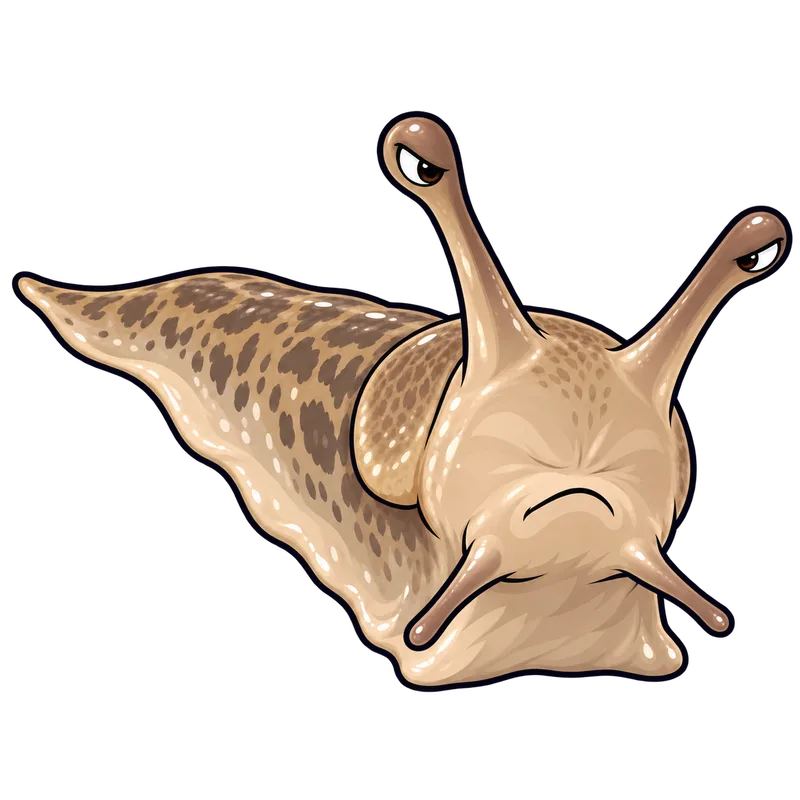
To find slugs in a vegetable bed during the day, look beneath cool, damp daytime shelters immediately adjacent to or within the bed. Check under wooden boards lying on the soil, flat stepping stones, heavy landscape rocks, inverted flower pots, hollowed melon rinds, or thick layers of organic mulch.
What is actually going on
You walk out to the garden first thing in the morning with your coffee, ready to check on the butter crunch lettuce you started from seed. Half the leaves look like someone took a paper punch to them, and there is a shiny, silvery trail winding across the soil like a tiny highway. You know the culprit is a slug, but when you look around the bed, you do not see a single one. Where did they all go before the sun even cleared the fence?
To find them during the day, you have to check beneath cool, damp daytime shelters immediately adjacent to or within the bed. Slugs are soft-bodied and lack a protective shell, meaning the sun dries them out faster than you can say heat wave. Because they cannot handle direct solar radiation or dry air, they spend daylight hours hiding out in dark, humid microclimates.
If you want to track them down while the sun is up, look under wooden boards lying on the soil, flat stepping stones, heavy landscape rocks, inverted flower pots, hollowed melon rinds, or thick layers of organic mulch. They treat these spots like a daytime cooling station, cramming themselves underneath until evening rolls around.
When night falls, or when a heavy drizzle keeps things gray and damp all day, they abandon those refuges to forage on tender crop foliage and low-hanging fruits. That is why your daytime searches can turn up empty while your plants still look chewed to pieces overnight.
How to tell for sure
Spotting the damage is usually easier than spotting the pest. Slugs leave ragged, irregular holes chewed through leaves, stems, and low-slung fruits like strawberries, often accompanied by that distinctive shiny slime trail. If you are wondering whether you have slugs or something else, look at the edges of the damage and the surrounding soil. Cutworms tend to clip young stems cleanly off at the soil line, while beetles leave tiny round shot holes. Slugs are messier eaters.
Finding the animals themselves usually depends on when and where you look. During the day, you usually have to lift things up. Flip over that spare paving stone or pull back the straw mulch right against the base of your cabbage plants, and you will usually find them tucked out of sight.
If you want an accurate headcount of your active population, you usually have to go out with a flashlight or headlamp about one to two hours after sunset. That is when they crawl out onto the foliage to feed.
As for telling one slug species from another, do not worry too much about the exact scientific name. A home gardener usually cannot tell a gray field slug from a different local variety just by looking at a general color or pattern. If you ever need a precise species confirmation, an extension specialist has to look at preserved specimens under magnification, but for keeping your vegetable bed alive, knowing it is a slug is enough.
What usually comes next
Once you confirm you have an infestation, you have to decide how to manage them without turning your vegetable plot into a chemical testing ground. Your first practical step is habitat modification, which mostly means taking away their daytime hotels. Clear out stray boards, clutter, and rocks around the bed perimeter, and keep weeds down so air can circulate and dry out the soil surface.
If you decide to use a bait, you have to scatter it properly. If you choose iron phosphate, which is safe to use around pets and wildlife, you should spread the granules evenly across the soil around your vegetables in the late afternoon. Do not dump them in thick piles. Slugs need to encounter the bait scattered across their regular travel routes, and piling it up just creates a messy hazard that wastes product.
Avoid the old temptation to surround your beds with a thick ring of diatomaceous earth. While people often suggest it as a barrier, it loses its edge the moment morning dew or rain hits it, turning into a useless paste that will not stop a hungry mollusc.
If you prefer a mechanical approach, go out at night with a container of soapy water and pick them off the leaves by hand. It takes a little patience, but it keeps extra substances out of your vegetables entirely.
When to get help
Most slug problems respond well to basic sanitation, evening handpicking, and careful baiting, but there are times when you need to step back and call in outside support. If your vegetable seedlings experience catastrophic defoliation overnight despite your best efforts with cultural controls and iron phosphate, you might be dealing with an overwhelming population surge that requires a professional assessment.
If you suspect an unusual or invasive pest in a commercial growing setup, contact your local university extension office or state department of agriculture for a proper diagnosis.
There is also a strict safety boundary regarding chemical choices. If you choose to use synthetic metaldehyde baits instead of iron phosphate, keep in mind that metaldehyde poses severe toxicity risks to domestic dogs, cats, and local wildlife. Accidental ingestion can cause serious neurological distress or fatal poisoning.
If a child, a pet, or anyone else accidentally ingests metaldehyde bait, contact a medical professional, an urgent care center, Poison Control, or a veterinary emergency clinic immediately.