
Are slugs dangerous?
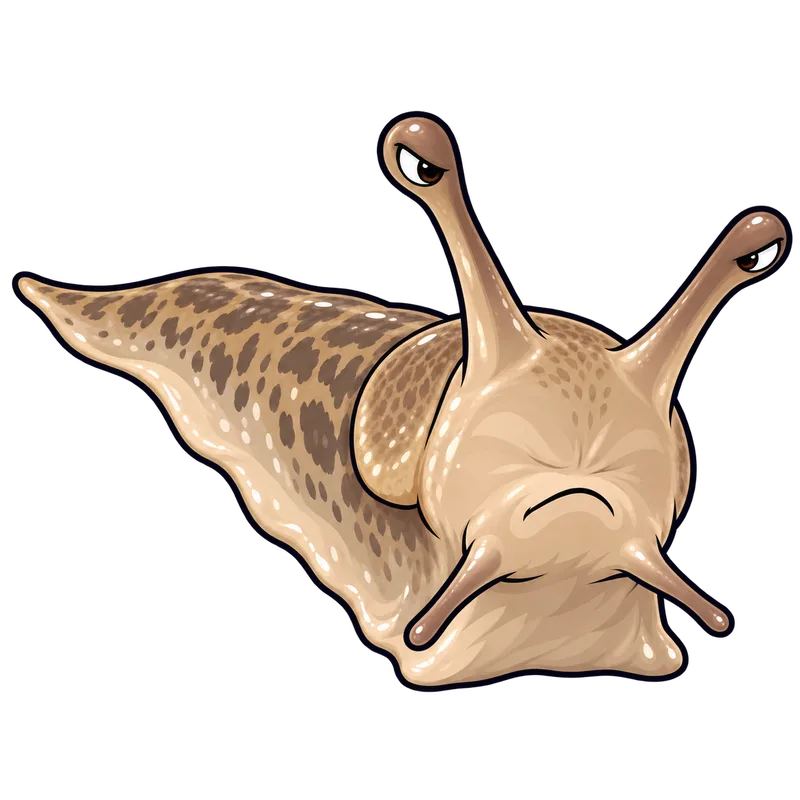
In a residential garden, slugs pose practically no direct physical danger to humans, though they are an absolute disaster for your plants. The real danger usually starts if you use toxic synthetic chemical baits that carry heavy risks for household pets and local wildlife.
What is actually going on
You walk out to the garden on a damp Tuesday morning, coffee in hand, only to find that your prize hostas look like someone took a paper punch to them. There are ragged holes in the leaves and a shiny, silvery slime trail tracing a path right across the patio flagstones. Naturally, you wonder what kind of damage these creatures can actually do, and whether you need to worry about more than just your chewed-up vegetables.
Are slugs dangerous? In a residential garden setting, the direct physical danger they pose to humans is basically non-existent, but they are an absolute disaster for your plants. They are soft-bodied land molluscs that lack the protection of an external shell, which means they lose moisture faster than a kitchen sponge left out on a hot sidewalk. That is why they spend their days hiding in the dark, damp underworld beneath rocks, rotting logs, thick mulch layers, and old boards, only coming out at night or during overcast weather to rasp away at leaves, stems, and tender seedlings.
The real danger with slugs usually starts the moment you try to get rid of them. People often turn to synthetic chemical baits, some of which carry heavy toxicity risks for household pets and local wildlife. You might think the biggest hazard is the slimy crawler itself, but your dog sniffing around a pile of conventional bait pellets is often the greater concern in a home landscape.
How to tell for sure
Before you wage war on your flower beds, you usually want to make sure you are actually dealing with a slug and not some other garden visitor. True slugs are soft, elongated, unsegmented gastropods with no external shell and a distinct dependence on high ambient humidity. They leave behind a characteristic silvery mucus trail on whatever hard surface or plant stem they cross. If you find strange green pests skeletonizing your rose leaves, do not assume they are baby slugs. Those are likely what folks call rose slugs, which are actually the larval stage of sawflies.
People often confuse rose slugs with true gastropods, but sawflies are insects with jointed legs that belong to an entirely different biological family. Snail and slug baits will have zero effect on them, and handling them can sometimes cause mild skin irritation or stings.
You should usually rely on timing and physical evidence for proper identification. If you see irregular, ragged holes in your plants combined with slime tracks, you have gastropods. If you only see daytime feeding damage on specific shrubs accompanied by caterpillar-like bugs, you are likely looking at insect larvae instead.
What usually comes next
Once you confirm you have an infestation, you have to make a practical decision about how to handle it without putting your pets or the rest of your garden at risk. If you have dogs or cats wandering the yard, you will want to skip toxic synthetic options like metaldehyde entirely because they present severe poisoning risks. Instead, you can look toward pet-safe alternatives like iron phosphate granules. This option acts as a stomach poison that causes slugs to stop feeding immediately and retreat to their underground hiding spots, where they typically die within 3 to 5 days.
You might be tempted to sprinkle a thick wall of diatomaceous earth around your prized plants to keep them away. That rarely works out outdoors because morning dew, rain, and high humidity quickly neutralize the sharp, abrasive dust, rendering it completely useless against crawling molluscs in damp climates.
Physical barriers, handpicking with a flashlight after dark, or setting out simple traps like inverted melon rinds usually work better without any chemical fuss. If you want some free labor, encourage local toads to stick around your property. Toads happen to be the most effective natural biological predator of slugs you can possibly invite into a home landscape.
When to get help
Most garden pest issues are manageable with a bit of patience and cultural cleanup, but certain situations call for immediate outside intervention. If a domestic pet manages to ingest metaldehyde slug bait, treat it as a life-threatening veterinary emergency. You must contact a veterinarian right away or call the ASPCA Animal Poison Control Center at 888-426-4435.
Accidental human ingestion of chemical pesticides or severe exposure that affects the eyes or skin also requires urgent attention. Flush affected areas with fresh water for at least 15 minutes in case of a splash, and call the National Poison Control Center at 1-800-222-1222. If a person is unconscious, having trouble breathing, or showing signs of severe systemic distress, call 911 immediately. For unexplained skin lesions, rashes, or persistent physical symptoms that you might be tempted to blame on garden pests, skip the guesswork and consult a qualified physician or urgent care clinic instead.