
Can chickens eat slugs?
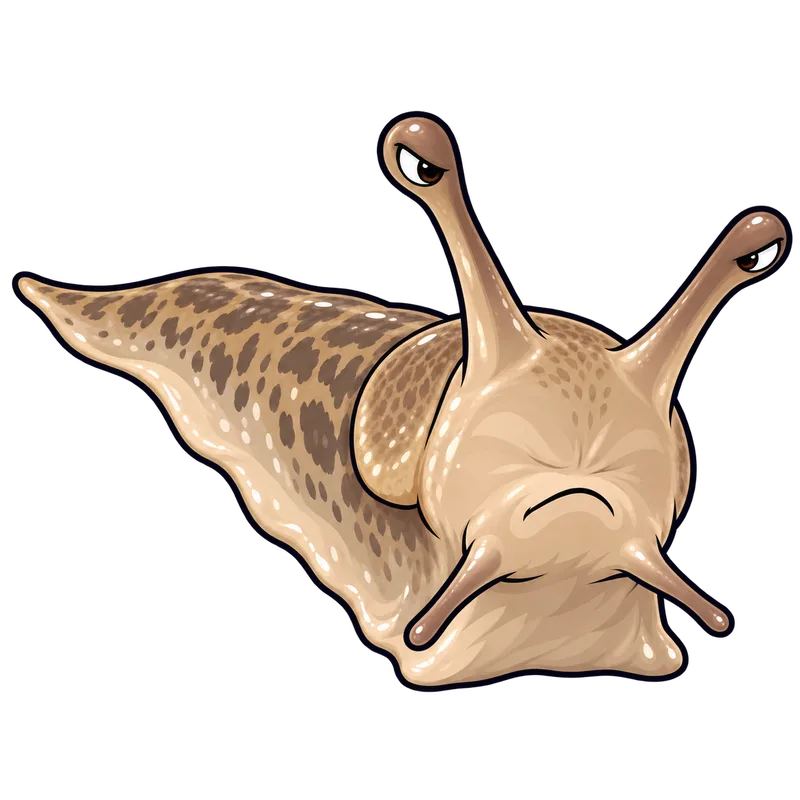
Yes, backyard chickens will eat slugs if they happen to cross paths with them, but they tend to prefer hard-bodied insects and rarely act as reliable slug control. Chickens are most active during the day while slugs hide from the sun, meaning the flock usually ignores them.
What is actually going on
You are standing in the dewy twilight with a flashlight, looking down at a hosta leaf that has been reduced to a ragged green lace doily. Right on cue, a fat gray slug slides across the damp mulch, leaving a shimmering silver track in the beam of your light. Naturally, you wonder if you can just open the coop door and let your flock of backyard chickens loose on the slimy trespassers. After all, poultry seem to peck at almost anything that moves in the yard.
The short answer is yes, chickens will eat slugs if they happen to cross paths with them, but they are not the ravenous slug-vacuums that ducks are renowned for being. Wild birds, ducks, and toads act as primary natural predators for terrestrial mollusks, while domestic chickens tend to prefer scratching up hard-bodied insects like grasshoppers and beetles or unearthing grubs. Ducks have flat, sensitive bills built for shoveling through wet mud in search of soft-bodied prey, whereas chickens are built for scratching, pecking, and seed-hunting in drier soil.
You might assume that letting the flock forage freely through the vegetable patch will solve your garden damage overnight. In reality, chickens operate on their own schedule and often ignore slugs unless they are desperate or the slugs are crawling out in broad daylight. Slugs spend their days hiding under rocks, wooden boards, and thick organic mulch to avoid the sun, which happens to be the exact time your chickens are most active. By the time the chickens are locked safely in their coop for the evening, the slugs are just waking up to start eating your prize strawberries.
Relying entirely on chickens to manage a gastropod infestation usually leaves your garden half-chewed. If you do let them into the garden beds to hunt, you also have to worry about what else they might find. Free-ranging poultry will scratch up seedlings, dust-bathe in your prized flower beds, and accidentally gobble up things they should not touch, turning a simple pest control experiment into a landscaping disaster.
How to tell for sure
Figuring out whether you actually have a slug problem, rather than damage from caterpillars or beetles, usually comes down to looking for the signature slime trail. Slugs and snails leave a glistening, silvery residue on leaves, stems, and soil surfaces that dries into a faint white streak. If you see ragged holes chewed in the middle of leaves or smooth-edged bites taken out of low-hanging fruit, you usually have a mollusk issue rather than an insect infestation.
You will rarely catch them in the act during the day because these soft-bodied creatures avoid sunlight and dry air to keep from drying out. During warm, humid afternoons, they usually retreat to cool, damp microclimates. If you flip over a flat stone, an old wooden board, a stray piece of plastic, or a thick pile of damp mulch in the garden, you will usually find them huddled together in the dark.
It is also worth noting that not all garden visitors are pests, and telling them apart matters before you take action. Ground beetles and native toads are beneficial predators that help keep slug numbers down naturally, so finding a toad under a flower pot is a sign of a healthy ecosystem rather than a threat. If you are spotting heavy plant damage but never see a slug, try a flashlight check an hour after sunset. That is usually when they emerge from their daytime hiding spots to feed.
What usually comes next
Once you realize your chickens are not going to clear out the slug population for you, you have to choose a reliable control method that fits your backyard setup. If you keep pets or free-ranging poultry, your main decision revolves around which slug bait to put down, because traditional synthetic chemical baits can spell disaster for curious animals.
Many traditional slug pellets contain metaldehyde, a synthetic compound that is notoriously toxic to dogs, cats, and wildlife. If a wandering chicken or a family pet happens to peck at those bright blue or green pellets, the consequences are severe. Because of this risk, the safest practical choice for a backyard shared with animals is iron phosphate bait. This mineral-based stomach poison causes slugs to stop feeding immediately and die quietly over the course of a few days, all without posing a high toxicity risk to mammals and birds when applied correctly.
Instead of pouring the bait into messy piles where animals might gorge on it, you should scatter the granules thinly across the soil surface in the late afternoon. Giving the garden a light watering before you apply the bait helps coax the slugs out of hiding, but you should avoid watering right afterward so the granules do not dissolve into the mud. Pausing to pick slugs off by hand at night and dropping them straight into a jar of soapy water or rubbing alcohol is another immediate way to drop their numbers without risking your flock.
When to get help
There are moments in pest management where DIY measures stop working and safety takes over, particularly when toxic chemicals or animal health are involved. If you suspect that a chicken, a dog, a cat, or any other domestic animal has ingested metaldehyde slug bait, broad-spectrum insecticides, or treated pesticide granules, you need to act immediately. Contact a licensed veterinarian right away to handle potential poisoning symptoms.
For immediate guidance on animal poison exposures in the United States, you can reach out to the ASPCA Animal Poison Control Center at 888-426-4435, keeping in mind that a consultation fee may apply for their services. If you are managing a large agricultural operation or dealing with severe commercial crop destruction that requires restricted-use pesticides or complex vertebrate pest management interventions, you should hand the job over to a licensed professional pesticide applicator.