
Rose sawfly larvae vs rose slug sawflies: what naming difference matters?
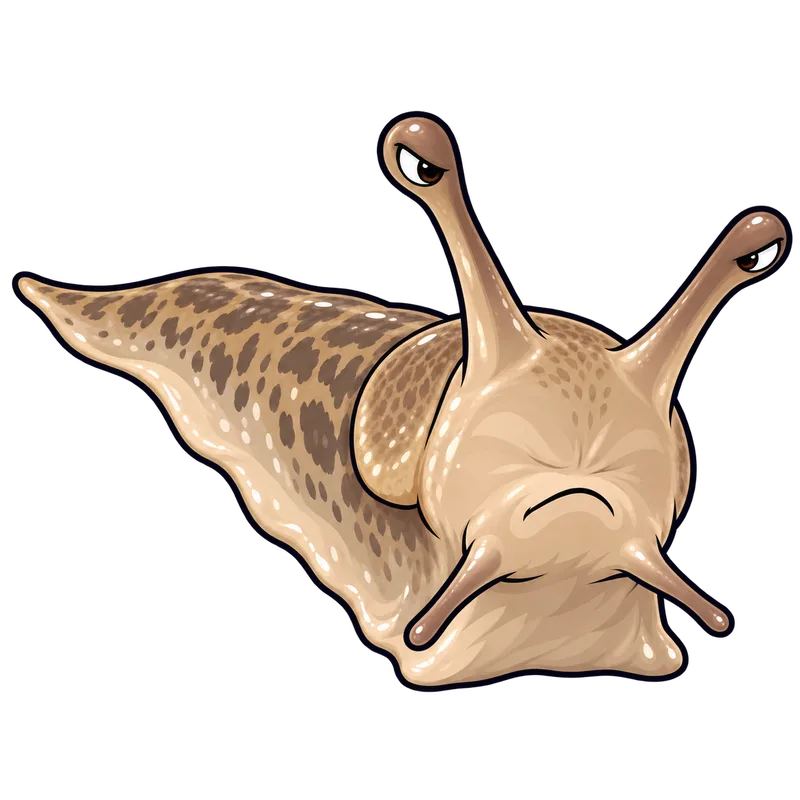
Rose sawfly larvae and rose slugs are actually the exact same insect, with the slug name just being a North American nickname. This naming difference matters because treating them like real slugs or moth caterpillars leads you to buy ineffective products like snail bait or bacterial spray that will not harm the pests.
What is actually going on
You walk out to check your favorite climbing rose on a sunny morning in late spring, expecting fresh blooms, and instead find the leaves looking like thin, translucent parchment paper with the green color scraped right off. You might hear people call these culprits rose slugs, or maybe sawfly larvae, and wonder if there is any real difference between the two names.
The short answer is that they are the exact same insect. Calling them rose slugs is just a common nickname used heavily in North America because the early stages of these creatures look shiny, slimy, and vaguely like garden snails without shells. However, biological reality tells a different story. They are actually the immature form of a small, non-stinging wasp belonging to the insect order Hymenoptera.
Why does this naming difference matter? Because words guide your actions, and garden nomenclature can quietly trick you into buying the wrong product entirely. If you think you are dealing with a literal slug, you might march down to the garden center and buy iron phosphate bait. If you think you have a standard moth caterpillar munching your leaves, you might reach for a bottle of caterpillar spray containing Bacillus thuringiensis.
Neither of those solutions will work. Snail bait targets gastropod mollusks with entirely different physiologies, and the bacterial spray relies on specific crystal proteins that only bind to the midgut receptors of butterfly and moth caterpillars. Spraying that bacterial product on sawfly larvae is like trying to start your car with a house key. It fits in the ignition, but nothing happens. Understanding that these pests are actually wasp relatives keeps you from wasting money on products that leave the foliage completely unprotected.
How to tell for sure
Identification usually starts by looking closely at the damage before you even spot the insects themselves. Early-instar larvae feed on just one layer of cellular tissue, leaving behind a clear membrane that resembles a tiny windowpane. Older larvae consume everything between the heavy veins, creating a skeletonized leaf that looks like lace.
When you turn the leaf over, you will usually find small, pale green or translucent creatures clinging to the underside. They look like caterpillars at a glance, but they possess six or more pairs of abdominal prolegs that lack the tiny hooklets found on true moth caterpillars. They are also notoriously poor climbers compared to their lepidopteran cousins.
Timing usually gives them away as well. Peak populations and feeding activity generally surge in May and June as soon as the leaf buds expand, though activity can stretch across the warmer months depending on your region. You will want to use a ten times hand lens if you want to inspect tiny, newly hatched individuals before they do major cosmetic damage to the canopy.
Be careful not to confuse regular sawfly damage with something much more serious like Rose Rosette Virus. Sawflies chew leaves and leave behind physical holes or translucent windows, whereas viral infections cause heavy leaf reddening, distorted flowers, thorny overgrowths, and thick clusters of shoots known as witches' brooms. If you spot viral distortion, no amount of bug spray will save the plant.
What usually comes next
Once you confirm you have sawfly larvae instead of mollusks or true caterpillars, you need to decide how to handle them. For light numbers of pests on decorative roses, skip the synthetic products entirely and just reach for your garden hose.
Blasting the foliage with a strong, directed stream of water knocks the larvae right onto the dirt. Since these particular insects lack the climbing skills of caterpillars, most fallen individuals fail to crawl back up the slick stems and eventually die on the ground or get eaten by predators. Think of it as shutting down the elevator in a tall building, leaving them stranded downstairs with no way to return to the upper floors.
When a simple water spray does not cut the population down to size, you can switch to lower-impact sprays. Insecticidal soaps, tall oil soaps, and plant-based neem oil or azadirachtin formulas work effectively when applied straight onto the bodies of the pests, as long as you coat both the tops and bottoms of the leaves completely.
For heavy, widespread outbreaks on roses that are not currently blooming, traditional options such as carbaryl or synthetic pyrethroids offer quick control. Just keep in mind that synthetic pyrethroids pose a serious hazard to water-dwelling animals, so you must never use them close to ponds, runoff channels, or storm grates.
When to get help
Most backyard gardeners can handle a small group of rose sawfly larvae using just physical removal and mild soaps, but some scenarios demand outside support. If leaf loss climbs past half of the entire plant canopy, or if you are tending massive commercial rose beds where handpicking every single pest is unrealistic, hiring a professional can keep the shrubs from dying back permanently.
You should also reach out to a regional university extension service or a certified pest control expert if you spot strange structural signs, like stem oozing, fungal cankers, or the intense leaf twisting linked to Rose Rosette Disease. Repeated defoliation over multiple seasons severely weakens rose bushes, opening the door for secondary fungal troubles like black spot.
Lastly, watch the weather and obey local guidelines prior to putting down any treatments. Avoid spraying bug killers when helpful pollinators like honeybees are busy visiting open flowers, and remember that hot weather past ninety degrees Fahrenheit can scorch the foliage if you apply horticultural oils or sulfur treatments too heavily.