
How do you get rid of slugs in the garden?
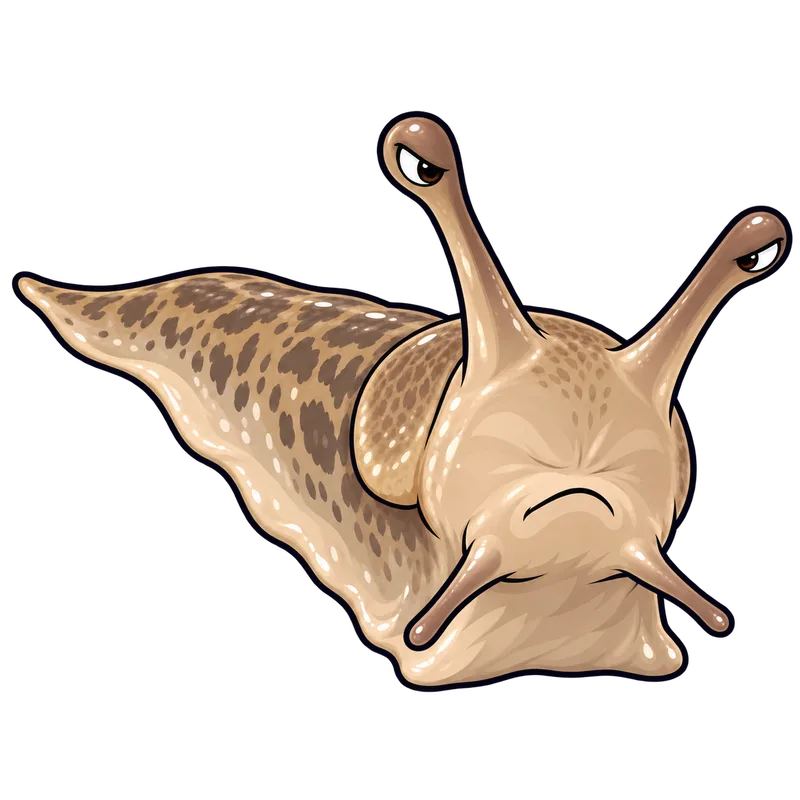
To get rid of slugs in the garden, you need to clear out their daytime hiding spots, use evening handpicking, and apply mineral-based baits containing iron phosphate. Iron phosphate causes garden slugs to stop feeding and die out of sight over the next 3 to 5 days.
What is actually going on
You walk out to the garden with your morning coffee, crouch down to check the prize hostas or the ripening strawberries, and find them looking like someone took a paper punch to the leaves. Worse yet, there is a disgusting, shimmering trail of dried slime glistening across the mulch. You are dealing with slugs. These soft-bodied pests treat your flower beds like an all-you-can-eat buffet, and they manage to do it while staying completely out of sight during the heat of the day.
Eliminating garden slugs requires an integrated approach rather than a single silver bullet. Because these creatures lack protective outer shells, they depend entirely on high moisture and dark daytime shelter to survive. If you want to get rid of them for good, you have to attack their living conditions, trap the ones currently hiding in your yard, and use targeted baits when cultural methods are not enough.
Think of slugs as night shift workers who cannot tolerate the morning sun. They need dark, humid break rooms to survive the scorching daylight hours, which they usually find under rocks, rotten logs, heavy weeds, or thick layers of organic debris. Clearing out that garden clutter is essentially tearing down their break rooms, forcing them out into the open where predators and dry air can finish them off. Toads, by the way, are voracious natural vertebrate predators of these pests, so creating a welcoming environment for backyard amphibians does plenty of heavy lifting for you.
How to tell for sure
Before you start treating the yard, you need to make sure you are actually fighting slugs and not some other garden culprit. A gardener can usually spot broad foliage chewing, large ragged cavities on low-hanging fruit like strawberries, and those distinct silver or white dried slime trails left on plant leaves or the surrounding soil. When you go out after dark with a flashlight, you will usually find the live specimens actively feeding on your plants.
Do not rely entirely on the damage to make your diagnosis, however. Feeding holes or fruit cavities alone usually cannot confirm slug presence on their own because cutworms, armyworms, and rootworms cause nearly identical foliar damage. If you want to be completely certain, look for the physical slime trails or lift up a garden stone to find the pests resting underneath.
If you are dealing with standard garden pests in a typical backyard vegetable patch, home observation is usually more than enough to start control measures. Differentiating rare pest species or identifying juvenile gastropods usually requires a hand lens with 10x magnification to examine mantle structures and breathing pores. Unless you are running a commercial agricultural operation or studying local biodiversity, you rarely need to ship preserved specimens off to a university laboratory in alcohol just to figure out what is munching on your cabbages.
What usually comes next
Once you spot those shiny trails, you have to decide whether you are trying to protect an edible vegetable patch or purely ornamental plants, because that choice entirely dictates your next step. If your primary goal is to save homegrown strawberries, lettuce, and tomatoes, you cannot just throw any chemical you find at the problem. You need a solution that will not contaminate your food harvest or endanger family pets playing in the yard.
For food crops and organic gardens, the standard practice usually points toward mineral-based baits containing iron phosphate. This material acts as an ingested stomach poison that causes slugs to stop feeding almost immediately. The pests retreat underground or beneath shelter and die out of sight over the next 3 to 5 days. Because iron phosphate has extremely low toxicity to mammals and birds, it carries a zero-day pre-harvest interval, meaning you can harvest and eat your vegetables the very same day you apply it around the base of your plants.
If you are dealing exclusively with non-food ornamentals or greenhouse borders, you might consider synthetic chemical baits containing metaldehyde pellets. These require strict adherence to label rates, usually scattering about 1 pound per 1000 square feet on the soil rather than on the plant foliage, and keeping pets entirely away from the treatment area. Whichever path you choose, match your control method to the specific area of your garden rather than reaching for a generic spray that might not even work on mollusks.
When to get help
Most garden slug problems respond well to a combination of backyard sanitation, evening handpicking, and careful baiting. However, there are times when the situation outgrows a weekend DIY project. If you manage a massive commercial agricultural acreage, extensive nursery borders, or a persistent greenhouse infestation where cultural methods and over-the-counter baiting completely fail, you should consult a licensed commercial pesticide applicator or a local university extension specialist.
Safety is another critical factor when dealing with any pest control product in a residential setting. Metaldehyde baits are highly toxic to domestic pets like dogs and cats if ingested. If you suspect a child or a pet has swallowed a pesticide bait, or if anyone suffers accidental chemical eye or skin exposure, contact a medical clinician, urgent care, or your local poison control center immediately. In the United States, you can reach Poison Control directly at 1-800-222-1222.
Keep in mind that while slugs do not bite or sting humans, they can occasionally carry parasites from the environment, so always wash your hands thoroughly after handling them during cleanup. When using dusts like diatomaceous earth for other garden pests, be sure to use natural-grade amorphous dust and wear a mask, as pool-filter grade alternatives contain dangerous crystalline silica that must never be inhaled or used in home gardens.