
Are slugs poisonous?
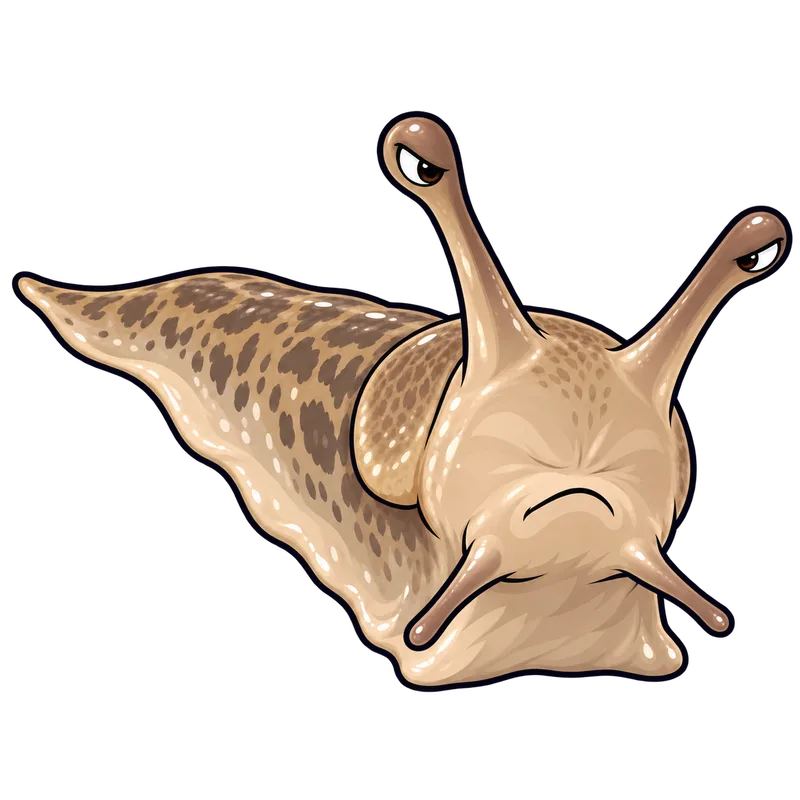
No, garden slugs are not poisonous and do not possess venom or internal tissue toxins that can hurt you through simple contact. You can pick them up with your bare hands, as these soft-bodied molluscs lack stings, fangs, or defensive poisons in their flesh.
What is actually going on
You walk out to the garden on a damp Tuesday morning, coffee in hand, only to find your prize hostas looking like lace and a neat, silvery slime trail smeared across the paving stones. You spot the culprit tucked near the mulch, a soft, greyish lump wearing a pair of antennae, and a sudden thought crosses your mind. Are these things actually poisonous to touch, or worse, to the family dog who insists on investigating every inch of the flower bed?
The short answer is no, slugs do not possess venom or internal tissue toxins that can hurt you through simple contact. They are soft-bodied gastropod molluscs, which is just a fancy way of saying they are closely related to snails and octopuses rather than insects, and they lack stings, fangs, or defensive poisons in their flesh. You can pick them up with your bare hands without worrying about a toxic secretion jumping into your skin.
The real danger associated with slugs usually lives inside a colorful plastic bottle or cardboard box sitting on the garage shelf, not inside the slug itself. Gardeners often turn to synthetic chemical baits to clear them out, and those commercial products carry serious risks for domestic pets and local wildlife. Slugs are innocent bystanders in the toxicity department, while the heavy-duty control measures are what you actually need to handle with care.
This brings up a common objection from homeowners who assume that any creature leaving behind a slimy, irritating residue must be chemically defended. While that mucus helps them slide across rough gravel and keeps their skin from drying out, it is primarily a physical lubricant and moisture shield rather than a biological weapon. The creature itself is essentially a mobile pouch of water and digested plant matter, completely free of venom glands.
How to tell for sure
Spotting a slug usually involves looking for unmistakable signs of activity rather than trying to puzzle out complex anatomical traits. You will usually find them hiding during the day in cool, damp spots like the underside of rotting logs, beneath flat stones, or under dense weed growth where the sun cannot reach them to dry them out.
When night falls, they emerge to feed on tender foliage, leaving behind ragged holes in leaves and shiny, iridescent mucus trails that dry into a papery crust by morning. Unlike insects with chewing mouthparts, slugs rasp away plant tissue using a tongue-like ribbon covered in thousands of microscopic teeth, which creates smooth-edged gouges and broad holes rather than shredded veins.
In most residential gardens, you are dealing with general garden slugs or larger terrestrial species that range in color from mottled grey to deep brown or yellowish black. They lack the hard shell of their snail cousins, though some varieties carry a small, hidden internal plate beneath the skin of their upper back.
You should usually differentiate them from caterpillars or beetles by checking the surrounding foliage for that signature slime trail, which acts as a neon sign pointing right back to the garden pest. If you find chewed plants but zero slime trails, your culprit is usually an insect rather than a gastropod, meaning standard bug sprays will not help you solve the problem.
What usually comes next
Once you confirm that slugs are chewing your garden to bits, you have to figure out how to manage them without putting your household at risk. Your biggest practical choice boils down to picking between traditional synthetic baits and safer, iron-based alternatives that will not threaten curious dogs, cats, or local wildlife.
If you share your yard with pets, you want to skip synthetic metaldehyde pellets completely and go with an iron phosphate bait instead. Iron phosphate acts as a stomach poison that stops slugs from feeding almost right away, which leads to their demise within a few days while keeping toxicity extremely low for mammals and birds.
When you spread that bait, the application method matters just as much as the product you choose. You should always scatter the granules lightly and evenly around the borders of your vulnerable plants, never dumping them into little piles and never dusting them directly onto edible leaves like strawberries or lettuce. Piling the bait just wastes your money and creates an attractive, concentrated hazard that a dog might be tempted to investigate and lick up.
You also need to drop the popular idea that spreading a thick barrier of diatomaceous earth will keep them out of your flower beds. While those fossilized microscopic skeletons are supposed to scratch up a slug and dry it out, outdoor humidity and morning dew turn the powder into a useless mud cake within hours, leaving your prized hostas wide open to nighttime raids.
When to get help
Safety warnings are never something to brush aside when you are dealing with garden chemicals and household pets. If a dog or cat manages to ingest metaldehyde or methiocarb slug bait, you need to seek immediate veterinary emergency care or call the ASPCA Animal Poison Control Center at 888-426-4435 without waiting for symptoms to show up.
For human exposures, swallowing chemical pesticides by accident requires urgent action. If someone is unconscious or having convulsions, call 911 right away, and reach out to the national Poison Control Center at 800-222-1222 for guidance on accidental chemical exposure.
Regarding human health issues or skin reactions supposedly caused by handling or eating raw slugs, you should never rely on casual blog advice or home remedies. Direct any health concerns, unusual symptoms, or suspected parasite exposures straight to a qualified physician, an urgent care clinic, or public health authorities for a proper medical evaluation.
Finally, if you are running a large-scale agricultural operation, a commercial nursery, or dealing with a severe invasive pest outbreak that resists standard household controls, consult a licensed pest control professional or your local agricultural extension agent. They can help you sort through complex regulatory restrictions and choose the right management strategy for your specific region.