
Are slugs mollusks?
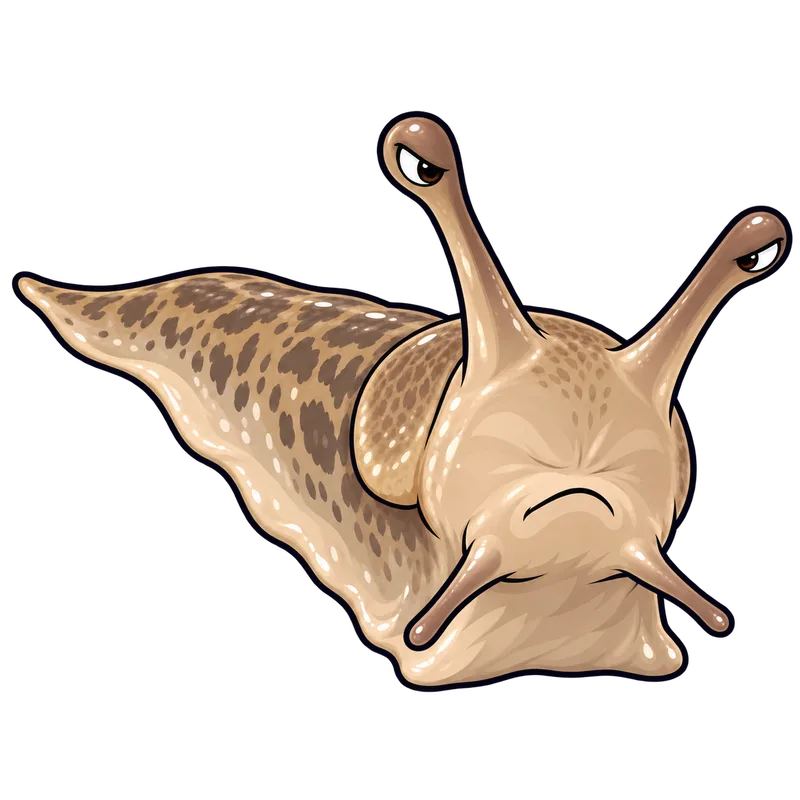
Yes, slugs are mollusks that belong to the exact same phylum as clams, oysters, and octopuses. They share the class Gastropoda right alongside snails, though evolutionary history left them completely shell-less instead of carrying a heavy spiral architecture on their backs.
What is actually going on
You walk out to the back porch with your morning coffee, crouch down to check on the hostas, and find the leaves chewed to lace with a glistening, silvery trail smeared right across the dirt. You might mutter a few choice words about bugs eating your hard work, but you are pointing your frustration at the wrong culprit. Yes, slugs are mollusks. They belong to the very same phylum as clams, oysters, and octopuses, and sit comfortably in the class Gastropoda right alongside snails.
The main difference between a slug and a snail is real estate. Snails carry that heavy, spiral architecture on their backs for protection, while slugs decided to pack light and evolutionary history left them completely shell-less. That naked, soft body makes them look a bit like a wet kitchen sponge left on a hot sidewalk. Without a hard shell to lock in moisture, a slug dries out rapidly in the open air and sunshine.
That single physical constraint dictates their entire lifestyle. They are nocturnal or crepuscular creatures, meaning they only come out to forage when the sun goes down or when a heavy rain soaks the garden. During the heat of the day, they wedge themselves into damp microhabitats underneath rotting logs, flat stones, flower pots, and heavy layers of garden mulch.
Treating them like ordinary garden insects is where most people go wrong. Because they are mollusks rather than arthropods, standard insecticides and common insect sprays will bounce right off them without doing a thing. Understanding what they actually are saves you from wasting time and money on products that were never built for the job.
How to tell for sure
Before you buy a single product or start scattering treatments, you usually want to make sure you are actually dealing with a true slug and not an impostor. Plant damage from slugs typically looks like irregular holes with smooth, clean edges on tender foliage, seedlings, and low-hanging fruit like strawberries. If you see shiny, dried slime trails on the leaves or the surrounding soil, that is a strong fingerprint left behind by a mollusk.
One common mix-up happens on rose bushes. If the leaves look skeletonized with a windowpane effect, gardeners often blame slugs and grab molluscicide baits. Those pests are usually rose slugs, which are actually the larvae of sawflies. Sawfly larvae are insects with legs, and they do not care about slug bait at all.
Another temptation is relying on physical barriers like diatomaceous earth, which consists of fossilized microscopic shells that cut up insect exoskeletons. While it sounds clever on paper, diatomaceous earth usually fails against slugs outdoors because the morning dew, ambient humidity, and soil moisture instantly neutralize it. A barrier of dry dust does not stay dry for long in a real garden.
What usually comes next
Once you confirm you have actual mollusks chewing your plants, you have to choose your weapon carefully, especially if you share your yard with curious dogs or cats. Traditional synthetic baits containing metaldehyde work fast, but they carry a high risk of poisoning domestic pets and local wildlife if ingested. If you have pets padding around the flower beds, you usually want to skip metaldehyde entirely and reach for iron phosphate baits instead.
Iron phosphate works a bit differently. When a slug eats the bait, it suffers an immediate digestive disruption and stops feeding on your plants right away, even though it usually wanders off into the soil and dies three to five days later. It has low toxicity to mammals and leaves zero harvest wait time.
Application technique matters just as much as the chemical you pick. Gardeners often make the mistake of piling bait in little heaps, thinking it will attract more pests, but that just creates a hazard for non-target animals. Instead, you usually want to water the garden first to wake the slugs up, and then scatter the granules thinly and evenly across the soil in the late afternoon. Never water the garden right after putting out bait, or you will simply dissolve your hard work before the pests ever get a bite.
When to get help
Sometimes a pest problem steps outside the bounds of a weekend DIY project. If a pet consumes metaldehyde bait, it is an immediate veterinary emergency that requires a licensed veterinarian or an emergency animal hospital without delay. Never wait to see if symptoms improve on their own.
For humans, if anyone suffers an accidental pesticide ingestion or a severe skin reaction from handling concentrated control products, you should contact a clinician, urgent care facility, or poison control center right away. Do not attempt to diagnose or treat chemical exposure at home.
If you are managing agricultural acreage, commercial nurseries, or dealing with strict biosecurity regulations regarding invasive species, the decisions belong to a licensed pest control operator or the relevant state and federal agricultural agencies. Following local laws ensures you stay legal while protecting the beneficial wildlife like toads and garter snakes that help keep your garden balanced naturally.