
What does rose sawfly larva damage look like on rose leaves?
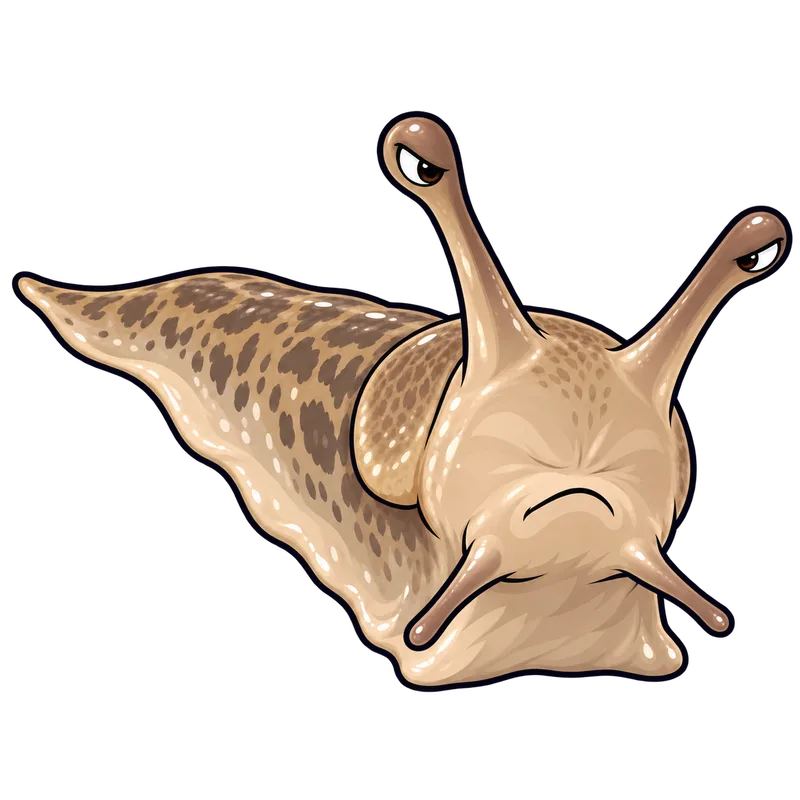
Rose sawfly larva damage on rose leaves starts as pale, translucent patches resembling tiny glass windowpanes where young pests scrape away the soft green flesh. As the larvae grow, they devour everything between the veins, leaving behind only a brown, paper thin lace curtain or skeletonized fibrous framework.
What is actually going on
Picture stepping out onto the porch with your morning coffee, glancing over at your prize rose bushes, and freezing. Half the leaves look like they have been hit with some strange blight. The green flesh is gone in patches, replaced by clear membranes, while other leaves are reduced to a brown lattice that resembles a tiny lace curtain. You lean in closer to check for caterpillars, wondering what kind of pest could tear through your foliage overnight.
What you are looking at is the handiwork of rose sawfly larvae, commonly known as rose slugs. Despite their slug-like appearance and caterpillar-like movement, these creatures are actually the immature stage of small, wasp-like insects. When they hatch from eggs laid in clusters on the plant, they do not disperse across the entire garden. Instead, they feed in tight, gregarious groups on specific branches.
This clustered feeding habit explains why one cane on your rose bush can be completely stripped down to its skeleton while the branch right next to it remains pristine. Young larvae start out by scraping away the soft layers from the leaf. They leave behind a thin, translucent cuticle that looks like a tiny glass windowpane. As they grow into larger stages with stronger chewing mouthparts, they devour everything between the veins, leaving behind only the tough, fibrous framework of the leaf.
How to tell for sure
Telling rose sawfly damage apart from other garden pests usually comes down to spotting two distinct stages of their appetite: windowpanning and skeletonization. If you notice pale, translucent patches that eventually turn brown and paper-thin, you are usually looking at the early work of young larvae. When you see leaves where all the green tissue has vanished, leaving only a fine mesh of veins, you are usually looking at the work of older larvae.
You can confirm the culprit by flipping the damaged leaves over. Unlike stealthy night-feeders that vanish by morning, sawfly larvae usually hang out right on the undersides of the leaves they are actively chewing. They typically appear light green, sometimes with a yellowish head, and usually measure under an inch long.
One common trap to avoid is assuming these bugs are standard moth or butterfly caterpillars. Gardeners often reach for bacterial sprays containing Bacillus thuringiensis, hoping for an easy organic fix, only to watch the larvae keep right on eating. That failure happens because those bacterial products only affect true caterpillars and have zero effect on sawflies.
What usually comes next
Once you spot that lace-like damage, you need to make a practical choice about how to handle the infestation. If you catch the problem early and the damage is confined to a couple of branches, you usually do not need to run out for synthetic chemicals. A strong, forceful jet of water from your garden hose aimed at the undersides of the infested leaves works surprisingly well. This blasts the soft-bodied larvae straight off the plant. Because rose sawfly larvae lack the physical climbing ability of true caterpillars, once they hit the soil, they usually perish rather than crawl back up the stem.
For very light outbreaks, you can simply put on a pair of gloves and handpick the larvae or prune out the heavily damaged shoots entirely. If the population has gotten out of hand and covers a large portion of the shrub, you might look into biorational options like insecticidal soaps or neem extract applied directly to the insects.
When opting for chemical controls, always read and follow the product label directions carefully. For instance, if you consider using certain synthetic insecticides, remember that applying them when the foliage is wet or when the air is humid can cause severe chemical burn and leaf drop. Furthermore, if your roses are currently blooming and attracting foraging bees, avoid broad-spectrum or systemic sprays to protect those beneficial pollinators.
When to get help
Most home gardeners can manage a modest population of rose sawfly larvae with a water hose, handpicking, or targeted organic sprays. However, certain situations call for stepping back and bringing in outside support. If an outbreak goes completely unnoticed until more than half of the total foliage is defoliated, the plant's overall vigor and future flower production will take a severe hit, sometimes requiring professional plant health care.
If you manage expansive landscapes, high-value commercial rose beds, or large plantings where high-volume equipment is necessary, engaging a licensed arborist or professional custom applicator is usually the safest route. You should also consult a local university extension service or diagnostic clinic if you examine the foliage with a hand lens and still cannot determine whether the damage stems from sawfly feeding, a stubborn fungal leaf spot, or environmental scorch. Whenever you apply any pesticide, always observe personal protective equipment guidelines on the label and respect local regulations regarding pollinator protection zones.