
How do you get rid of garden snails?
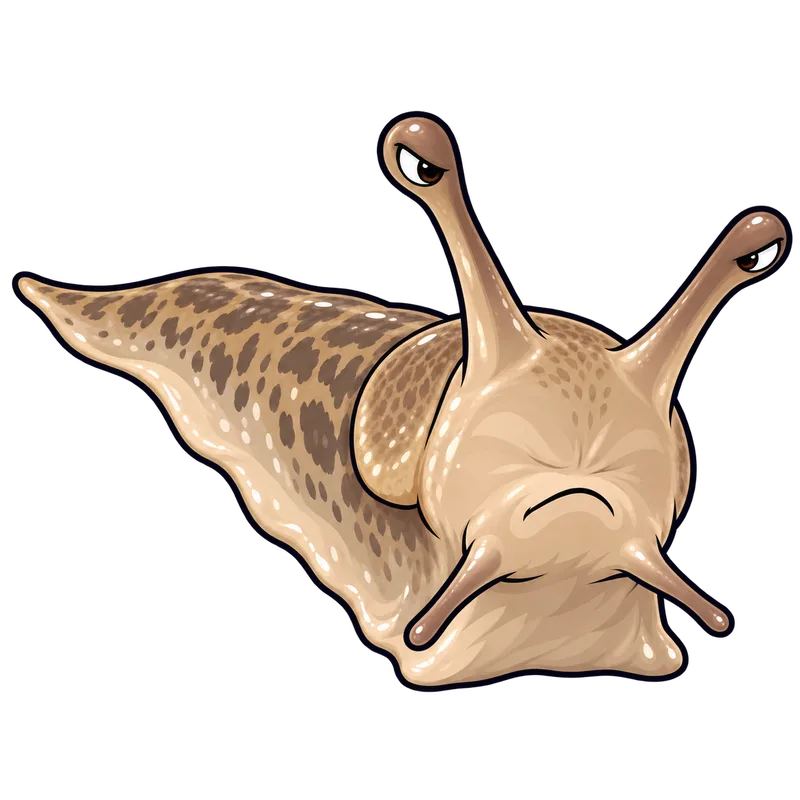
You can get rid of garden snails by combining daytime habitat clearing with nighttime handpicking, physical traps, and safe baits. Using iron phosphate bait granules causes snails to stop feeding and leads to their death within three to five days while remaining safe around pets and birds.
What is actually going on
You step out onto the patio to check the young hostas you planted last weekend, and half the leaves look like lace with slimy trails shimmering across the dirt. You are dealing with land snails and slugs, those soft-bodied creatures that spend their daylight hours hiding in cool, damp places like under rotting logs, decorative stones, dense weeds, and piles of old lumber. Because sunlight dries them out rapidly, they wait for the sun to drop before sliding out to feed on your tender garden foliage.
Getting rid of them permanently is rarely a one-and-done project. Instead of hunting for a magic spray that wipes them out overnight, think of managing them as a combination of eviction and environmental control. If you leave their daytime hiding spots intact, more will just move in from the neighbors' yards. Clearing away damp debris, setting physical traps, picking them off by hand after dark, and using safe baits when necessary will break the cycle and give your plants a fighting chance to recover.
Why do they seem to multiply so quickly after a rainstorm? Because moisture is their favorite ally. When the soil stays wet and the air is heavy with humidity, snails and slugs can travel farther, feed longer, and lay eggs with impunity. If your garden design includes thick mulch right up against the stems of vulnerable vegetables or perennials, you have essentially built a five-star resort for gastropods. Stripping away that excess harborage forces them out into the open where predators and dry air can take care of them.
How to tell for sure
Before you start tossing bait or setting traps, make sure you are actually looking at snail or slug damage rather than the work of caterpillars or beetles. Snails carry a hard, coiled shell, while slugs are entirely naked and soft, but both leave a distinctive calling card. You will usually find irregular holes chewed into the middle or edges of leaves, accompanied by silvery, glistening dried mucus trails left behind as they crawl across plant stems, patios, and soil.
You can usually confirm their presence by doing a quick perimeter check during the day. Lift up any flat stones, stray flower pots, or rotting boards lying around the garden beds. If you spot a cluster of slimy bodies huddled underneath out of the direct sun, your suspicion is confirmed.
People often wonder if powdery white dusts sold as natural bug barriers will stop them, but that is where a common belief falls flat. You might hear that spreading diatomaceous earth around your flower beds creates an impassable trench. In reality, science shows that diatomaceous earth fails completely outdoors in humid climates. Once the powder absorbs moisture from dew, rain, or damp soil, it loses its abrasive drying properties entirely and lets snails glide right over it like a wet highway.
What usually comes next
Your next move depends on how much work you want to put in versus how much chemical help you prefer. If you want to keep things strictly non-toxic, grab a flashlight after dusk and head out for a fifteen-minute scavenger hunt. Pick the snails and slugs directly off the leaves and drop them into a bucket of soapy water or rubbing alcohol. It sounds tedious, but it offers immediate population control without spending a dime on products. You can also set out shelter traps, such as an inverted grapefruit half or an old wooden board, and simply flip them over every morning to collect the hiding pests underneath.
When manual collection is not enough, you have to decide whether to use commercial baits. If you choose this route, pick iron phosphate bait granules for home gardens. This biorational option causes snails and slugs to stop feeding immediately, leading to their death within three to five days, and it is safe around birds and domestic pets. Traditional synthetic options like metaldehyde pellets work fast, but they carry severe toxicity risks for dogs and cats and must be handled with extreme caution.
If you use bait, apply it like you are seasoning a dish rather than dumping it in heaps. Scatter the granules lightly and evenly across the soil around your plants at dusk, after watering the garden thoroughly earlier in the afternoon. Never pile bait in heavy mounds, and keep the area dry for the next twenty-four to forty-eight hours so the pellets do not dissolve prematurely. If you grow vegetables or strawberries, stick exclusively to iron phosphate or physical barriers, as some chemical treatments are strictly prohibited on edible crops. Finally, consider encouraging natural predators by welcoming garden toads, which act as tireless, free pest patrols.
When to get help
Most home gardeners can keep snails and slugs under control with a mix of sanitation, handpicking, and safe baits, but certain situations call for outside intervention. If you manage a commercial nursery, a large agricultural plot, or a massive landscape where gastropods are chewing through valuable crops faster than you can treat them, you should consult a university extension specialist or a licensed pest control applicator. They can recommend specialized management plans that go beyond standard backyard tactics.
Safety is another reason to pause and get professional advice, particularly regarding pets and wildlife. If you or a family member suspects a domestic pet has ingested synthetic metaldehyde or carbamate baits, do not wait for symptoms to worsen. Seek emergency veterinary care or contact an animal poison control center immediately, as synthetic molluscicides can be rapidly fatal to dogs and cats. Always follow the federal and state product label instructions explicitly when handling any chemical control, and never invent custom mixtures or apply unapproved products to food crops.